正在确认阅读权限…
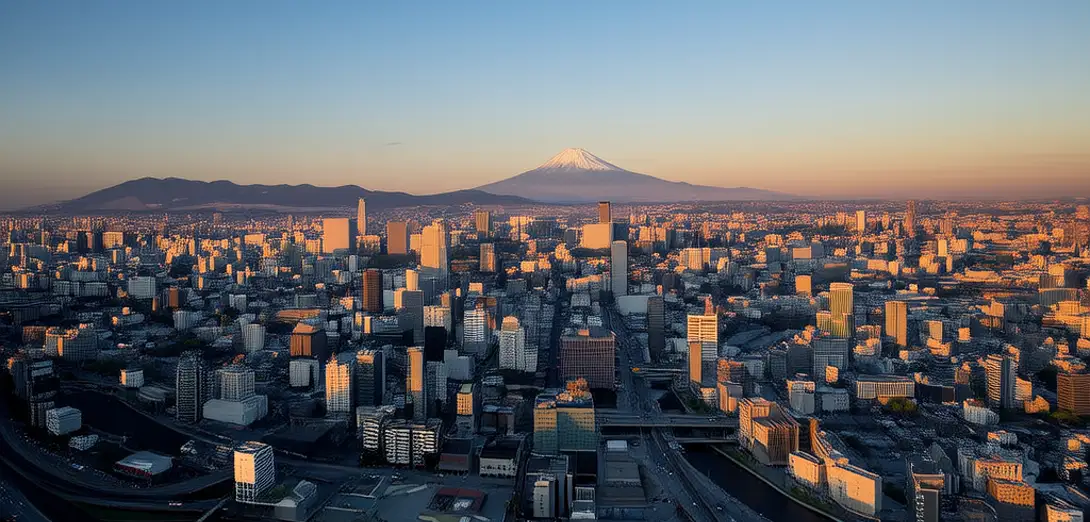
Tokyo: A Megacity Built on Risk and Resilience
东京:建于风险与韧性之上的超大城市
-
Tokyo, with over 37 million people in its metro area, is the world’s largest urban agglomeration—and sits atop four tectonic plates.东京都市圈人口超3700万,是全球最大的城市群,坐落于四块构造板块交界处。
-
Its subway system moves nearly 8 million passengers daily, yet most stations include earthquake-resistant design features.其地铁系统日均运送近800万人次,但多数车站均采用抗震设计。
-
Since the 1923 Great Kanto Earthquake, building codes have evolved to require flexible foundations and shock-absorbing joints.自1923年关东大地震以来,建筑规范不断升级,要求采用柔性地基和减震接头。
-
The city recycles 84% of its household waste, partly because landfill space is extremely limited on this island nation.东京家庭垃圾回收率达84%,部分原因是这个岛国 landfill(填埋场)用地极为有限。
-
Urban heat islands raise summer temperatures here by up to 3°C compared to surrounding rural areas.城市热岛效应使夏季气温比周边农村地区高出最多3°C。
-
Many schools double as emergency shelters, equipped with food stocks, water purifiers, and solar-powered radios.许多学校兼作应急避难所,配备食品储备、净水设备和太阳能收音机。
-
Tokyo Bay’s artificial islands host container terminals, LNG plants, and even an airport built entirely on reclaimed land.东京湾的人工岛设有集装箱码头、液化天然气厂,甚至一座完全建于填海土地上的机场。
-
City planners now prioritize ‘compact city’ policies to reduce car dependence and protect farmland on the urban fringe.城市规划者如今优先推行‘紧凑城市’政策,以减少对汽车的依赖,并保护城市边缘的农田。