正在确认阅读权限…
Automated Extension in STEM Literacy: Batch 0001-020
STEM素养的自动化延展机制(批次0001-020)
-
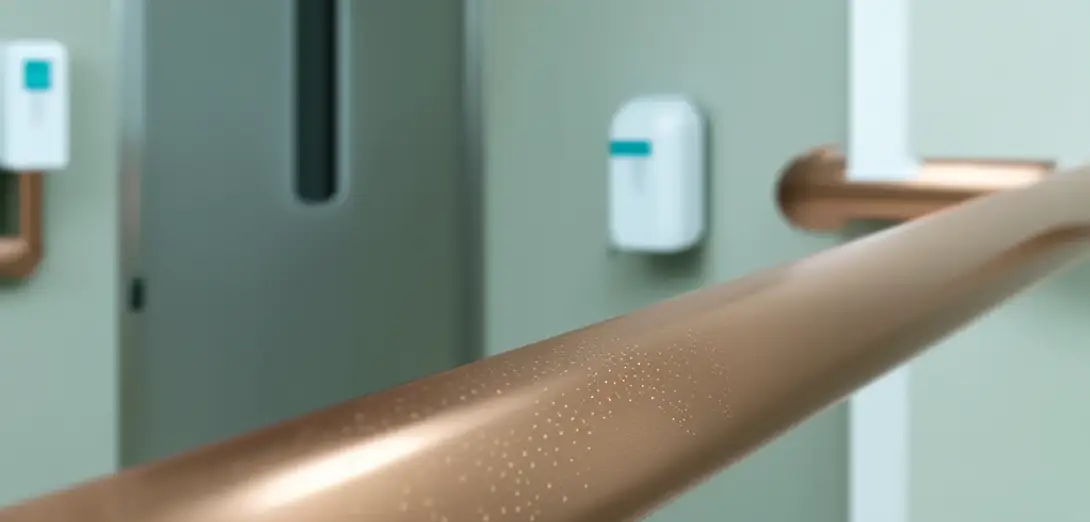
Batch 0001-020 specifies the biofilm adhesion strength thresholds for antimicrobial copper alloys used in high-touch hospital surfaces under realistic cleaning regimens.批次0001-020规定了医院高频接触表面所用抗菌铜合金在真实清洁条件下的生物膜黏附强度阈值。
-
It defines shear-strength decay curves as functions of detergent pH, mechanical abrasion cycles, and organic soiling load—validated against ASTM E2149 shake-flask assays.它将剪切强度衰减曲线定义为洗涤剂pH值、机械摩擦循环次数及有机污染负荷的函数,并通过ASTM E2149振荡烧瓶法验证。
-
Infection control specialists use its pass/fail criteria to evaluate whether copper-alloy door handles retain efficacy after 18 months of ICU corridor use.院感防控专家依据其合格/不合格标准,评估铜合金门把手在ICU走廊使用18个月后是否仍具抗菌效力。
-
Unlike generic material datasheets, it correlates alloy microstructure (grain size, Zn/Ni ratio) with real-world biocidal persistence under simulated hand-contact frequency.与通用材料数据表不同,它将合金微观结构(晶粒尺寸、Zn/Ni比)与模拟手部接触频率下的实际杀菌持久性相关联。
-
Its tables include correction factors for humidity-driven Cu²⁺ ion leaching rates, crucial for tropical healthcare infrastructure planning.其表格包含湿度驱动的Cu²⁺离子溶出速率校正因子,对热带地区医疗基础设施规划至关重要。
-
Regulatory submissions for FDA 510(k) clearance cite its corrosion-bioactivity linkage as evidence of sustained clinical relevance.FDA 510(k)注册申报引用其腐蚀性与生物活性关联性,作为临床持续相关性的证据。
-
For English learners, its technical clauses model precise modifier placement: 'mean shear adhesion strength (±SD) after 12,000 simulated wipe cycles using quaternary ammonium disinfectant.'对英语学习者而言,其技术条款示范了精准的修饰语位置:‘经季铵盐消毒剂模拟擦拭12,000次后的平均剪切黏附强度(±标准差)’。
-
Batch 0001-020 emerged from multicenter studies showing that 32% of copper surfaces failed biofilm resistance targets after routine cleaning—exposing a critical specification gap.批次0001-020源于多中心研究,发现常规清洁后32%的铜表面未能达到生物膜抗性目标,暴露关键规格空白。
-
It bridges metallurgy and epidemiology: material properties are defined only in relation to pathogen transmission interruption metrics.它连接冶金学与流行病学:材料性能仅以阻断病原体传播的量化指标来定义。
-
Its adoption shifted procurement focus from 'copper content' to 'biofilm detachment energy'—redefining performance in clinically meaningful terms.其应用使采购重点从‘铜含量’转向‘生物膜脱离能量’,以临床意义重新定义性能。
-
It exemplifies how STEM literacy evolves through failure analysis: each parameter encodes lessons from real outbreaks and remediation gaps.它体现了STEM素养如何通过失效分析演进:每个参数均凝结自真实疫情暴发与干预缺口的经验教训。
-
Ultimately, it transforms a metal into a clinical intervention—where English specification determines whether a surface protects or merely decorates.最终,它将一种金属转化为临床干预手段——而英文技术规范决定了该表面是保护患者,还是仅作装饰。