正在确认阅读权限…
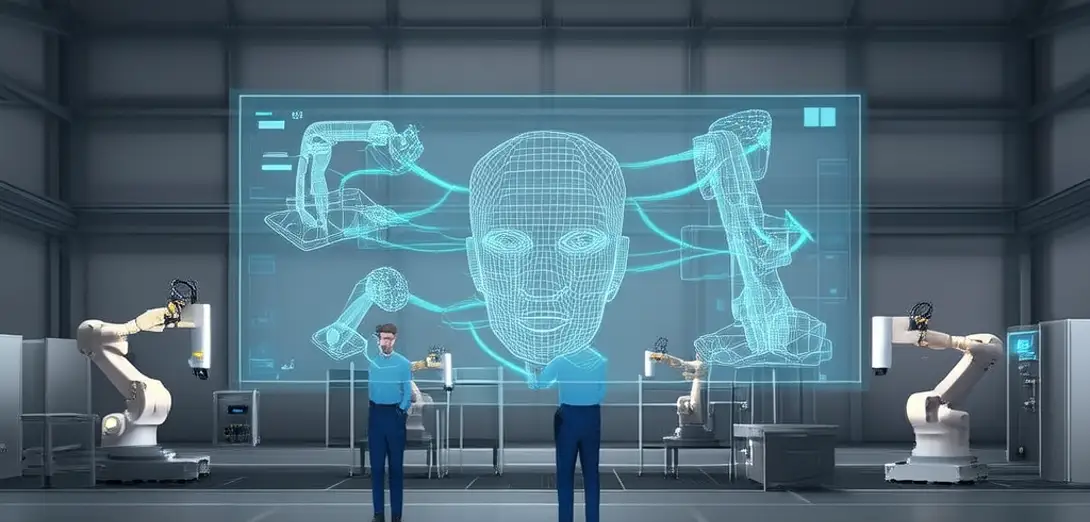
Digital Twin Factories: Architecture, Agency, and Epistemic Friction
数字孪生工厂是什么
-
A digital twin factory is not a 3D visualization but a live, bidirectional cyber-physical system synchronizing real-world production data with dynamic simulation models governed by constraint-based ontologies.数字孪生工厂并非三维可视化,而是一个实时、双向的网络物理系统,通过基于约束的本体论动态同步现实生产数据与仿真模型。
-
Each physical machine feeds timestamped telemetry—vibration spectra, motor current harmonics, thermal gradients—into a graph database structured around ISO 22400 KPI definitions.每台物理设备将带时间戳的遥测数据——如振动频谱、电机电流谐波、温度梯度——输入以ISO 22400 KPI定义构建的图数据库。
-
The twin doesn’t replicate geometry alone; it encodes causal relationships: a 0.7°C rise in spindle bearing temperature correlates with feed-rate decay and surface roughness deviation beyond ISO 1302 tolerances.孪生体不仅复制几何结构,更编码因果关系:主轴轴承温度上升0.7°C,即关联进给速率下降及表面粗糙度超出ISO 1302公差。
-
Operators interact not with static dashboards but with scenario-testing interfaces: 'What if we delay Tool #47 replacement by 18 shifts? Show predicted scrap rate, energy penalty, and downstream assembly interference.'操作员交互的不是静态仪表盘,而是场景测试界面:‘若将刀具#47更换推迟18个班次,预测废品率、能耗增加及下游装配干扰?’
-
Model fidelity is intentionally bounded: twin components omit non-impactful variables (e.g., ambient light levels) while amplifying weak signals like ultrasonic cavitation noise preceding pump failure.模型保真度被有意限定:孪生组件忽略非关键变量(如环境光照强度),同时放大弱信号(如泵故障前的超声空化噪声)。
-
Crucially, the twin surfaces epistemic friction—highlighting where sensor data conflicts with maintenance log entries or where simulation diverges from operator annotations.关键在于,孪生体揭示认知摩擦——标出传感器数据与维修日志冲突之处,或仿真结果与操作员标注不一致之处。
-
Its value emerges not in predictive accuracy alone but in exposing misalignments between formal process design and actual shop-floor practice.其价值不仅在于预测精度,更在于暴露正式工艺设计与实际车间实践之间的错位。
-
Regulatory compliance is embedded as executable logic: changing welding parameters automatically triggers recalculated PWHT cycle validation against ASME Section IX requirements.合规性要求被嵌入为可执行逻辑:焊接参数变更自动触发依据ASME第IX卷要求重新计算的焊后热处理周期验证。
-
Human operators retain veto authority over twin-suggested optimizations—especially where tacit knowledge overrides algorithmic confidence intervals.人类操作员对孪生体建议的优化保有否决权——尤其当隐性知识超越算法置信区间时。
-
This architecture treats the factory not as inert machinery but as a learning organism negotiating between physical limits, human judgment, and institutional rules.该架构将工厂视作一个学习型有机体,在物理极限、人为判断与制度规则之间动态调适。
-
Implementation success depends less on IoT sensor density than on co-designing ontology schemas with welders, quality inspectors, and safety auditors.实施成败不取决于物联网传感器密度,而在于与焊工、质检员和安全审计员共同设计本体架构。
-
Ultimately, the twin reveals how technological abstraction gains legitimacy only when it serves—not supplants—the situated intelligence of those who operate the line.最终,孪生体揭示技术抽象唯有服务于——而非取代——产线操作者的在地智能,方能获得正当性。