正在确认阅读权限…
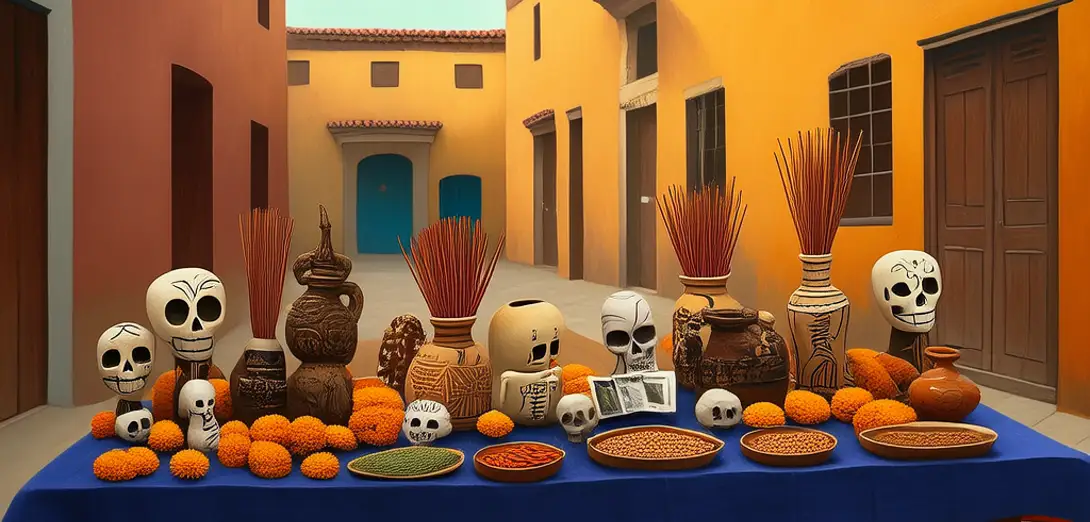
Mexican Día de Muertos Altars as Archival Counterpublics
墨西哥亡灵节祭坛作为档案式反公共领域
-
Altars erected in Oaxaca barrios for Día de Muertos do not commemorate private grief but function as counterarchival spaces documenting state violence, migration loss, and ecological erasure.瓦哈卡街区为亡灵节搭建的祭坛并非纪念私人哀伤,而是作为反档案空间,记录国家暴力、移民损失与生态消亡。
-
Photographs of disappeared journalists sit beside marigolds; soil from contested mining zones is mixed into offerings—turning ritual into evidentiary practice.失踪记者的照片与万寿菊并置;争议采矿区的土壤被混入供品——使仪式成为证据性实践。
-
Community archivists digitize altar inscriptions, creating searchable databases cross-referenced with human rights reports and environmental impact assessments.社区档案员将祭坛铭文数字化,建立可检索数据库,并与人权报告及环境影响评估交叉印证。
-
When families place handmade sugar skulls bearing names of migrants who died crossing deserts, they assert ontological presence against bureaucratic invisibility.当家属在手工糖骷髅上写下死于穿越沙漠途中的移民姓名时,他们以本体论意义上的存在,对抗官僚体系制造的隐形。
-
UN rapporteurs now consult altar inventories during fact-finding missions, recognizing them as vernacular truth commissions operating outside official channels.联合国特别报告员如今在实地调查中参考祭坛名录,承认其为在官方渠道之外运作的民间真相委员会。
-
School curricula in Michoacán teach altar-building as archival methodology—selecting objects, sequencing narratives, and annotating provenance with ethical rigor.米却肯州学校课程将祭坛建造纳入档案方法论教学——精选物品、编排叙事、以伦理严谨性标注来源。
-
Digital altars hosted on secure platforms allow diaspora Mexicans to contribute testimonies inaccessible to state archives due to fear or distance.依托安全平台搭建的数字祭坛,使散居海外的墨西哥人得以提交因恐惧或距离而无法进入国家档案的证言。
-
Anthropologists note that altar temporality—ephemeral yet meticulously documented—challenges Western notions of permanent record as sole legitimacy marker.人类学家指出,祭坛的时间性——短暂易逝却 meticulously 记录——挑战了西方将永久记录视为唯一合法性的观念。
-
Corporate sponsors of public altars must sign transparency pledges listing all donated materials, preventing commodification of sacred documentation.公共祭坛的企业赞助方须签署透明度承诺书,列明所有捐赠物资,防止神圣档案记录被商品化。
-
When government officials attempt to relocate altars from protest sites, communities respond with mobile altars mounted on bicycles—asserting mobility as archival right.当政府官员试图将抗议场所的祭坛迁移时,社区以自行车搭载的移动祭坛回应——宣示流动性即档案权利。
-
This tradition treats memory not as nostalgic preservation but as forensic, political, and future-oriented knowledge production.这一传统将记忆视作法证性、政治性且面向未来的知识生产,而非怀旧式保存。
-
In Mexico, the altar is less shrine than sovereign archive—curated by the people, for the people, against erasure.在墨西哥,祭坛与其说是神龛,不如说是人民自主建立、为人民服务、抵抗抹除的主权档案。