正在确认阅读权限…
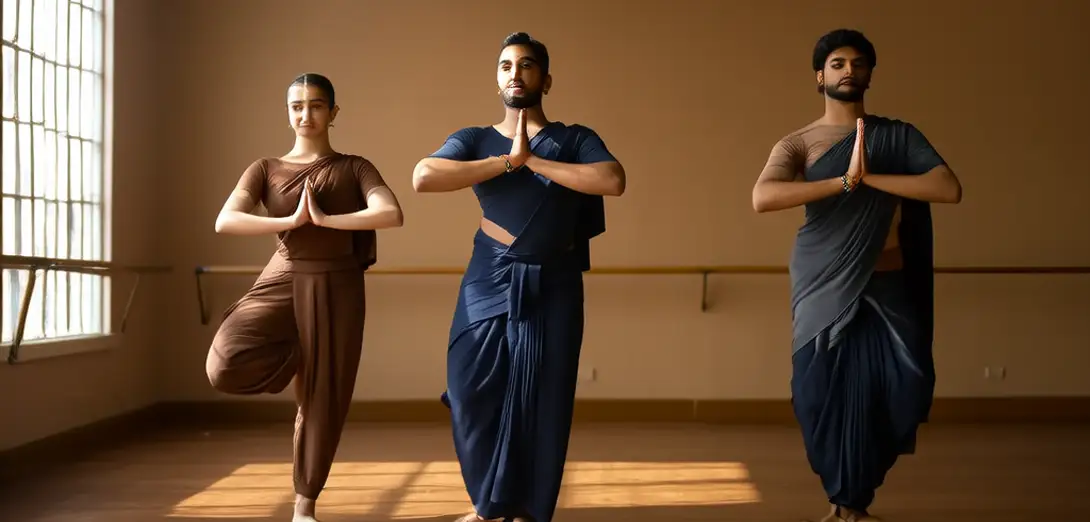
Indian Classical Dance as Embodied Constitutional Literacy
印度古典舞蹈作为具身化的宪法素养
-
Bharatanatyam dancers in Chennai learn constitutional provisions not through textbooks but by encoding Articles 14–18 into mudras (hand gestures) and facial expressions.金奈的婆罗多舞舞者不靠教科书,而是通过手印(手势)和面部表情将宪法第14至18条编码习得。
-
The 'abhaya hasta' (fearless hand) represents equality before law; its precise angle and wrist tension convey judicial impartiality more viscerally than legal prose.‘无畏手印’象征法律面前人人平等;其精确角度与手腕张力,比法律条文更直观地传达司法中立。
-
When performing sequences on gender justice, dancers integrate Supreme Court verdicts into rhythmic footwork—each beat mapping onto a landmark judgment’s timeline.表演性别正义主题时,舞者将最高法院判决融入节奏性足步——每一拍对应一项里程碑式判决的时间节点。
-
Law students at NLSIU Bangalore take Bharatanatyam modules to internalize abstract rights through kinesthetic memory and emotional resonance.班加罗尔国家法律学院的法学学生修习婆罗多舞课程,借身体记忆与情感共鸣内化抽象权利。
-
Critics once dismissed this as cultural ornamentation, until studies showed dancers recalled constitutional clauses 40% longer than peers using rote memorization.批评者曾视此举为文化装饰,直至研究显示:舞者对宪法条款的记忆时长比死记硬背者高出40%。
-
Choreographers collaborate with jurists to translate complex concepts like 'reasonable restriction' into sequential body movements demonstrating proportionality and necessity.编舞家与法学家合作,将‘合理限制’等复杂概念转化为体现比例性与必要性的连贯肢体动作。
-
Public performances in Hyderabad’s High Court plaza transform legal discourse into accessible civic theater—elders debate judgments mid-performance, citing precedent.海德拉巴高等法院广场的公开演出,将法律 discourse 转化为可及的公民剧场——长者在演出中即兴辩论判决,并援引先例。
-
The tradition treats law not as static text but as living grammar requiring embodied fluency to interpret contextually.这一传统视法律非静态文本,而是需身体熟练掌握、方能依语境诠释的活态语法。
-
When Dalit artists reinterpret 'devadasi' repertoire to foreground caste resistance, they engage constitutional amendment processes through movement syntax.达利特艺术家重释‘神庙舞女’剧目以凸显种姓抗争,实则借舞蹈句法参与宪法修正进程。
-
Dance academies now issue dual certificates: artistic proficiency and constitutional literacy—recognized by state judicial training institutes.舞蹈学院如今颁发双证书:艺术能力认证与宪法素养认证,获各邦司法培训机构认可。
-
This practice reveals how somatic knowledge preserves legal consciousness where literacy rates or access to courts remain uneven.此实践揭示:当识字率或司法可及性不均时,具身知识如何维系法律意识。
-
In India, constitutionalism breathes not only in courthouses but in the arch of a wrist and the duration of a gaze.在印度,宪政精神不仅存于法庭之内,亦栖于一腕之弧、一瞥之久。