正在确认阅读权限…
Moroccan Mint Tea Rituals as Diplomatic Infrastructure
摩洛哥薄荷茶仪式作为外交基础设施
-
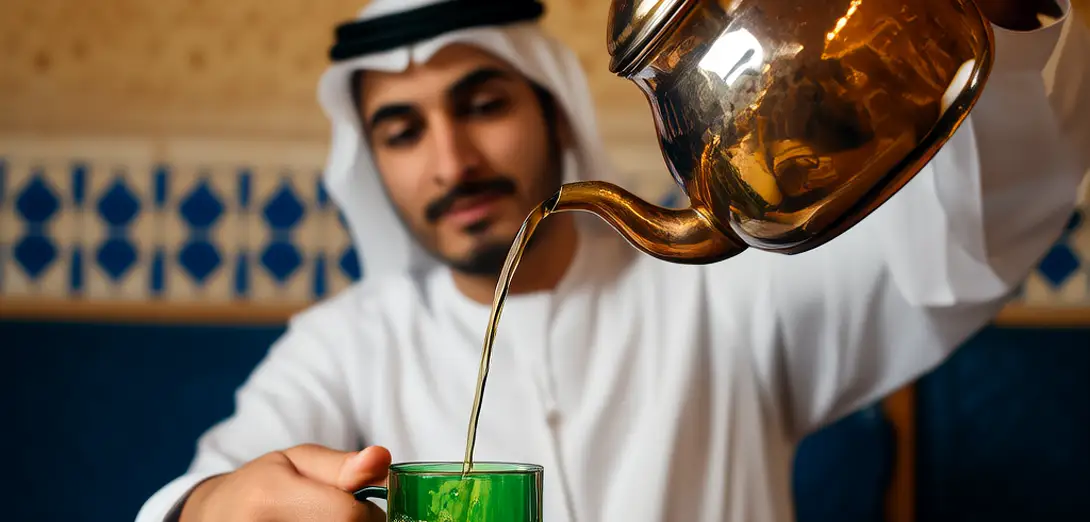
Pouring mint tea from a height of 40 centimeters is not theatrical flair but a precise thermodynamic act ensuring aeration, temperature balance, and foam formation.从40厘米高处倾倒薄荷茶并非表演噱头,而是精确的热力学操作,确保茶汤充气、温度均衡并形成泡沫。
-
The three-pour sequence—bitter, balanced, sweet—mirrors a philosophical framework for conflict resolution taught in Moroccan diplomatic training academies.三道斟茶——苦、平、甜——映射摩洛哥外交培训学院所授冲突解决的哲学框架。
-
Tea service precedes all formal talks in Rabat, whether between EU trade delegates or regional water-sharing negotiators, functioning as procedural equalizer.在拉巴特,正式会谈前必先奉茶,无论欧盟贸易代表还是区域水资源分配谈判者,茶仪均起程序性平等作用。
-
Refusing tea is diplomatically equivalent to rejecting the host’s moral authority, while accepting only the first pour signals reservation about the relationship’s depth.拒茶等同于拒绝主人的道德权威;仅饮第一杯则暗示对双方关系深度有所保留。
-
Each pour corresponds to a phase: the first establishes honesty (bitter truth), the second builds mutual understanding (balanced infusion), the third confirms commitment (sweetened reciprocity).每道斟茶对应一阶段:首杯确立坦诚(苦味真相),次杯培育共识(均衡浸润),末杯确认承诺(回甘互惠)。
-
Moroccan ambassadors abroad carry custom kettles and hand-blended tea, treating them as non-negotiable diplomatic tools—not cultural props.驻外摩洛哥大使随身携带定制茶壶与手调茶料,视其为不可妥协的外交工具,而非文化摆设。
-
Western envoys trained in rapid-decision frameworks often misread the 20-minute tea ritual as delay, missing how trust accrues through shared sensory rhythm.受快速决策训练的西方使节常将20分钟茶仪误读为拖延,却忽视信任正借共享的感官节奏悄然累积。
-
Tea preparation involves no written recipe; mastery is transmitted orally across generations, embedding ethics into muscle memory and steam patterns.薄荷茶制作无书面配方,技艺靠口传心授代代相承,将伦理内化为肌肉记忆与水汽纹路。
-
When drought threatens mint cultivation, Morocco initiates bilateral agricultural dialogues—not as crisis response but as reaffirmation of shared ritual vulnerability.当干旱威胁薄荷种植时,摩洛哥启动双边农业对话——非应急之举,而是重申共有的仪式性脆弱。
-
The ritual withstands political rupture: even during periods of strained relations with Spain, tea diplomacy continues via consular channels.该仪式经得起政治裂痕:即便与西班牙关系紧张期间,茶外交仍借领事渠道持续运行。
-
This practice reveals how quotidian acts can encode complex negotiation protocols more durable than treaty language.此实践揭示日常行为如何编码比条约文字更持久的复杂谈判规程。
-
In Morocco, mint tea is neither beverage nor symbol alone—it is operational infrastructure for relational sustainability.在摩洛哥,薄荷茶既非单纯饮品亦非单薄符号——它是维系关系可持续性的实操基础设施。