正在确认阅读权限…
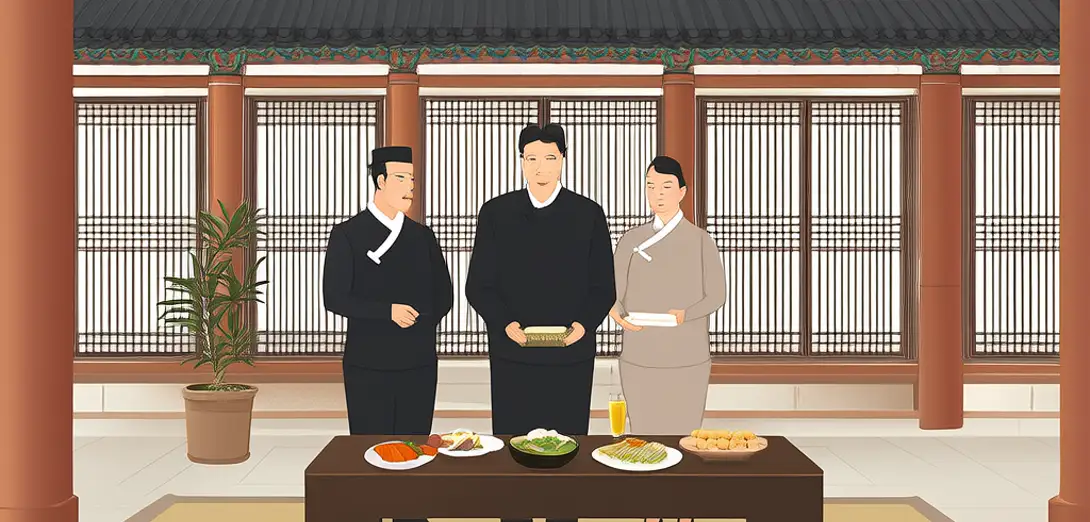
South Korean Ancestral Rites and Corporate Memory Management
韩国祭祖仪式与企业记忆管理
-
Charye, the Confucian ancestral rite performed twice yearly, is increasingly adopted by Korean conglomerates—not for spirituality but as structured knowledge-transfer protocol.茶礼是儒家每年举行两次的祭祖仪式,如今正被韩国财阀 increasingly 采用——目的并非宗教信仰,而是作为一种结构化的知识传承机制。
-
Samsung’s HR division redesigned its onboarding program around Charye principles: hierarchical seating, sequential offering, and narrative framing of legacy.三星人力资源部以茶礼原则重新设计了入职培训:按职级就座、依序呈献、以叙事方式阐释企业传承。
-
Executives present new product roadmaps not as forecasts but as ‘offerings’ to founding figures whose portraits hang in ceremonial halls.高管们不将新产品路线图视为预测,而是作为“供奉”呈献给悬挂在仪式大厅中的创始人肖像。
-
This reframing transforms strategy sessions into intertemporal dialogues where past decisions constrain and enable current innovation paths.这种重构使战略会议转变为跨越时空的对话,让过往决策既约束也赋能当下的创新路径。
-
Junior engineers describe presenting AI ethics guidelines as ‘laying out rice cakes before the founders’—a metaphor signaling accountability to long-term consequences.初级工程师形容提交人工智能伦理准则为‘在创始人灵前摆上年糕’,这一隐喻彰显对长期后果的责任担当。
-
Corporate Charye events exclude external stakeholders deliberately; they function as internal memory consolidation, not PR.企业茶礼活动刻意排除外部利益相关者,其功能在于内部记忆整合,而非公关宣传。
-
Academic research shows firms using ritualized remembrance report 27% higher retention of institutional knowledge during leadership transitions.学术研究表明,在领导层更替期间,采用仪式化记忆实践的企业,机构知识留存率高出27%。
-
The practice counters global trends toward agile obsolescence by insisting that some decisions—like semiconductor material choices—must be judged across decades.该实践逆全球敏捷迭代与快速淘汰趋势而行,坚持某些决策——如半导体材料选择——须经数十年检验。
-
When LG restructured its battery division, the transition plan included ‘renewal rites’ honoring engineers who pioneered lithium-cobalt chemistry in the 1990s.LG重组电池事业部时,过渡方案纳入‘更新仪式’,致敬上世纪90年代开创钴酸锂技术的工程师。
-
Critics argue this risks mythologizing failure, but proponents cite cases where recalling past safety oversights prevented repeat errors.批评者认为此举可能将失败神话化,支持者则指出,回顾过往安全疏失确曾避免同类错误重演。
-
Korean firms treat corporate memory not as database but as lineage—with obligations, debts, and inheritances requiring ceremonial acknowledgment.韩国企业视企业记忆非数据库,而为血脉谱系——承载义务、债务与继承,需借仪式郑重确认。
-
In this context, Charye is less worship than rigorous historiography enacted through gesture, timing, and deliberate silence.在此语境下,茶礼与其说是崇拜,不如说是通过姿态、节奏与刻意静默践行的严谨史学。