正在确认阅读权限…
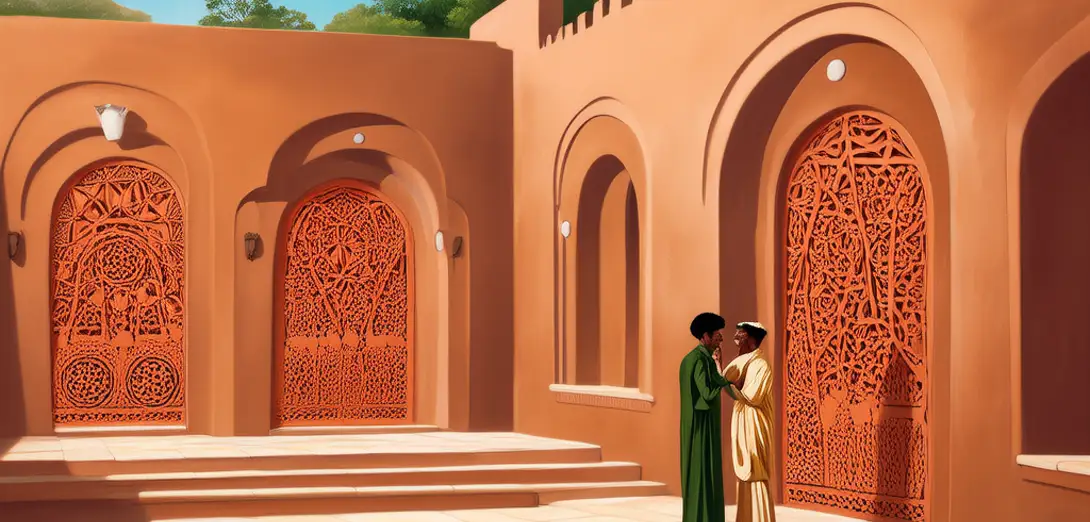
Ritual Architecture as Diplomatic Interface in Swahili Stone Towns
斯瓦希里石城中的仪式建筑作为外交接口
-
Zanzibar’s 19th-century stone houses feature inward-facing courtyards, carved coral doors, and elevated reception rooms designed for layered diplomatic engagement.桑给巴尔19世纪的石屋设有内向型庭院、雕花珊瑚门和抬高的会客室,专为层层递进的外交互动而设计。
-
These structures mediated relations among Omani sultans, European consuls, Arab merchants, and enslaved East African intermediaries through spatial hierarchy rather than verbal protocol.这些建筑通过空间等级而非言语礼节,协调阿曼苏丹、欧洲领事、阿拉伯商人与东非被奴役的中间人之间的关系。
-
The placement of guest seating, water basins, and Quranic inscriptions encoded status, intent, and permissible discourse before a single word was exchanged.宾客座次、水池位置与《古兰经》铭文的布置,在开口之前便已暗含身份、意图与可言说范围。
-
Unlike European chanceries built for bureaucratic throughput, Swahili architecture prioritized durational presence—conversations unfolded across hours, not minutes.与追求行政效率的欧洲使馆不同,斯瓦希里建筑强调持久在场——对话持续数小时,而非几分钟。
-
Consular reports from 1842 note how British envoys misread pauses and thresholds, mistaking hospitality rituals for hesitation or evasion.1842年英方领事报告记载,英国使节误读停顿与空间界限,将待客礼仪错认为犹豫或回避。
-
Recent architectural historians argue that coral-stone porches functioned as 'diplomatic liminal zones', neither fully public nor private, where alliances were tacitly ratified.近来建筑史学者指出,珊瑚石门廊实为‘外交阈限空间’,既非完全公开亦非彻底私密,联盟在此默许达成。
-
Restoration guidelines now prohibit replacing original lime mortar with cement, recognizing its breathability as essential to ritual humidity control during Ramadan gatherings.现行修复规范禁止以水泥替代原始石灰砂浆,因其透气性对斋月集会所需的仪式性湿度调控至关重要。
-
Such material sensitivity reflects deeper continuity: diplomacy here remains embodied, atmospheric, and acoustically calibrated—not merely transactional.这种材料敏感性折射出更深层延续:此处的外交仍是具身的、氛围化的、声学调校的,而不仅是事务性的。
-
UNESCO conservation frameworks now require community co-design for any structural intervention, acknowledging architecture as living diplomatic archive.联合国教科文组织保护框架现要求任何结构干预均须社区共设计,承认建筑本身即活态外交档案。
-
The lintel carvings—featuring Persian calligraphy beside Swahili proverbs—still serve as multilingual treaty markers in family-owned properties.门楣雕刻并置波斯书法与斯瓦希里谚语,至今仍在家族私产中充当多语种条约标记。
-
Tourism brochures often reduce these spaces to aesthetic backdrops, obscuring how their geometry continues to shape contemporary conflict resolution among local cooperatives.旅游宣传册常将这些空间简化为美学背景,遮蔽了其几何格局仍在影响当地合作社间的当代冲突调解。
-
Understanding them requires shifting from 'what was built' to 'how negotiation was housed—and who remained unwelcome at certain thresholds.'理解它们,需从‘建了什么’转向‘谈判如何被容纳——以及谁被拒于某些门槛之外’。