正在确认阅读权限…
Funerary Textiles as Counter-Archives in Andean Highlands
安第斯高原丧葬织物作为反档案
-
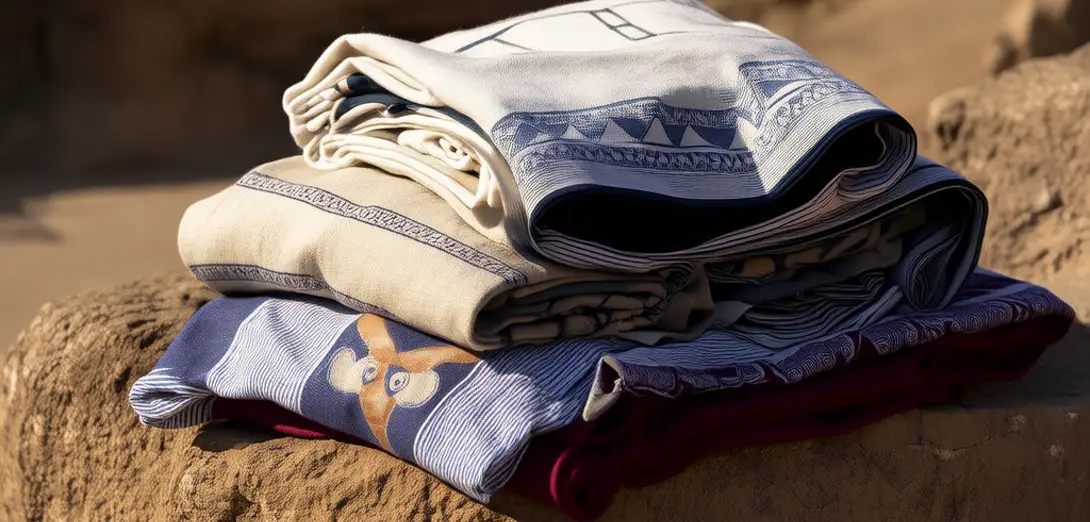
In Peru’s Colca Valley, pre-Hispanic funerary bundles contain layered textiles whose dye sequences, warp tension, and iconographic motifs encode lineage, land tenure, and resistance narratives.在秘鲁科尔卡山谷,前西班牙时期的丧葬包裹内含层层织物,其染色顺序、经线张力及图像母题编码了世系、土地所有权与抵抗叙事。
-
Spanish colonial inventories dismissed these as 'idolatrous cloth'—cataloguing them by weight and silver content, not semantic density.西班牙殖民时期的清册将这些织物贬为‘偶像崇拜之布’,仅按重量和含银量登记,而非语义密度。
-
Modern textile analysis reveals deliberate color shifts: cochineal reds deepen near chest cavities, signaling contested inheritance claims buried with the deceased.现代织物分析揭示出刻意的色彩变化:胭脂虫红在胸腔附近加深,暗示随死者埋葬的 contested 继承权主张。
-
Unlike written wills subject to notarial validation, these textiles operated as self-validating, non-transferable memory technologies anchored in bodily proximity.不同于需公证验证的书面遗嘱,这些织物作为自我确证、不可转让的记忆技术,根植于身体邻近性。
-
Contemporary Quechua weavers reconstruct lost patterns using soil-pH analysis of burial sites, treating earth chemistry as palimpsest rather than context.当代克丘亚织工借助墓葬遗址土壤pH值分析复原失传纹样,将土壤化学视为可读写重写的羊皮纸,而非单纯背景。
-
Museums now label such pieces with dual provenance: 'Collected by Father Martínez, 1693' and 'Reclaimed by Aymara Council, 2017'—a grammatical act of archival restitution.博物馆如今为这类藏品标注双重来源:‘1693年由马丁内斯神父采集’与‘2017年由艾马拉委员会收回’——一种语法层面的档案归还行动。
-
The tightness of backstrap loom tension correlates with historical periods of forced labor, making textile physics a measurable index of colonial pressure.腰带式织机经线张力的紧度与强制劳役历史时期相关,使织物物理特性成为殖民压力的可测量指标。
-
Such cloth resists digitization: high-resolution scans flatten warp-weft interplay that conveys meaning only through tactile sequencing.此类织物抗拒数字化:高分辨率扫描会抹平经纬交织关系,而意义唯有通过触觉序列方能传达。
-
Legal cases over ancestral land grants increasingly submit textile analyses alongside Spanish-language deeds—framing cloth as co-equal evidentiary medium.关于祖传土地授予的法律诉讼中,织物分析 increasingly 与西班牙语地契并列提交,将织物确立为具有同等效力的证据媒介。
-
Repatriation agreements now specify climate-controlled transport conditions, recognizing that humidity fluctuations risk erasing fugitive organic dyes carrying jurisdictional memory.归还协议现已明确要求恒温恒湿运输条件,承认湿度波动可能抹去承载司法记忆的易褪有机染料。
-
Each restored motif functions less as artifact than as procedural reminder: history isn’t stored—it’s rewoven under specific ethical constraints.每个复原纹样发挥的与其说是文物功能,不如说是程序性提醒:历史并非储存于某处,而是在特定伦理约束下不断重织。
-
To handle these textiles is to enter a juridical relationship—not with the dead, but with the living custodians of unbroken transmission.触碰这些织物,即进入一种司法关系——对象并非逝者,而是维系传承未断的在世守护者。