正在确认阅读权限…
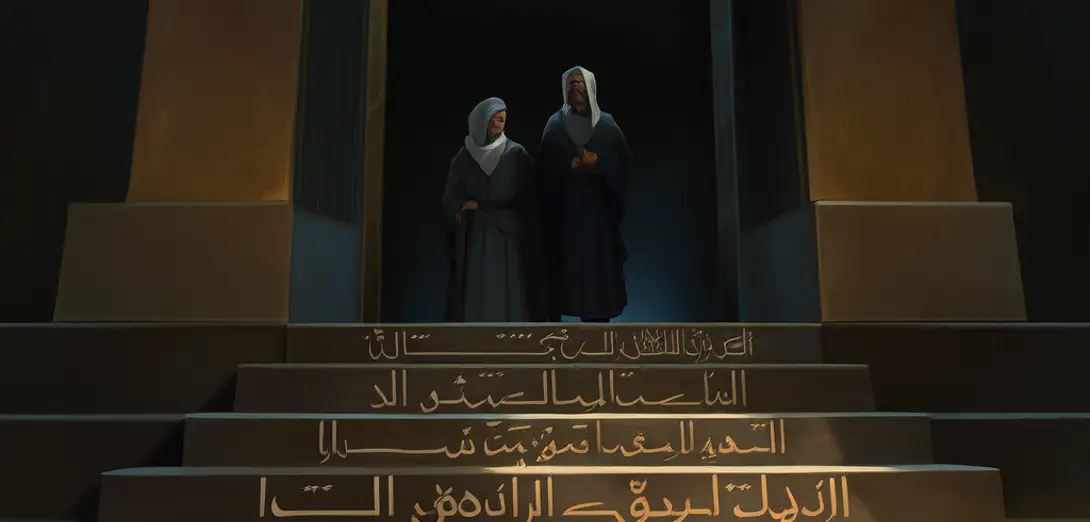
Threshold Markings and Juridical Space in Ottoman Balkan Mosques
奥斯曼巴尔干清真寺中的门槛标记与法理空间
-
In late-Ottoman Bosnia and Macedonia, mosque thresholds were inscribed with juridical phrases that activated spatial sovereignty upon crossing.奥斯曼帝国晚期的波斯尼亚和马其顿,清真寺门槛上刻有法律用语,人们跨过门槛即触发空间主权。
-
These bilingual Arabic-Slavic inscriptions did not merely bless entry but legally demarcated zones of religious autonomy from imperial civil courts.这些阿拉伯语与斯拉夫语双语铭文不仅祝福进入者,更在法律上划定了宗教自治区域,使之区别于帝国世俗法庭。
-
Archival petitions reveal how local judges deferred to threshold-based jurisdiction when adjudicating inheritance disputes involving waqf endowments.档案请愿书显示,当地法官在审理涉及瓦克夫捐赠的继承纠纷时,会遵从基于门槛的司法管辖权。
-
The physical wear on marble slabs—deeply grooved by centuries of ritual prostration—testifies to embodied compliance with this spatial law.大理石门 slab 上因数世纪礼拜叩首而形成的深刻磨损,印证了人们对这种空间法的身体性服从。
-
Unlike European cathedral porches, these thresholds functioned as contractual interfaces where divine covenant and imperial statute cohabited uneasily.与欧洲大教堂门廊不同,这些门槛充当契约接口,使神约与帝国法令在此不甚协调地共存。
-
Contemporary restoration debates hinge on whether to replicate original inscriptions or render them legible only in scholarly footnotes.当代修复争议焦点在于:是复刻原始铭文,还是仅在学术脚注中使其可读。
-
Urban planners in Sarajevo now consult Ottoman fatwa collections to reinterpret public access protocols for heritage mosques undergoing adaptive reuse.萨拉热窝的城市规划者如今参考奥斯曼教令集,重新诠释正在进行适应性再利用的遗产清真寺的公众准入规范。
-
Such markings exemplify how ritual architecture encoded layered legal subjecthood without requiring formal citizenship documents.此类标记体现了仪式性建筑如何在无需正式公民身份文件的情况下,编码多重法律身份。
-
They also reveal how non-state actors negotiated administrative authority long before modern decentralization frameworks emerged.它们也揭示了非国家行为体早在现代权力下放框架出现之前,便已协商行政权威。
-
Even today, elders in Mostar recite threshold verses during interfaith mediation sessions held inside converted Ottoman courthouses.直至今日,莫斯塔尔的长者仍在改建自奥斯曼法院的跨宗教调解会上诵读门槛经文。
-
This practice sustains a vernacular jurisprudence rooted in material memory rather than codified statutes or digital registries.这一实践维系着一种植根于物质记忆、而非成文法典或数字登记册的民间法学。
-
The threshold thus remains less an entrance than a slow, reversible act of juridical re-constitution.因此,门槛所代表的与其说是入口,不如说是一种缓慢且可逆的司法重构行为。