正在确认阅读权限…
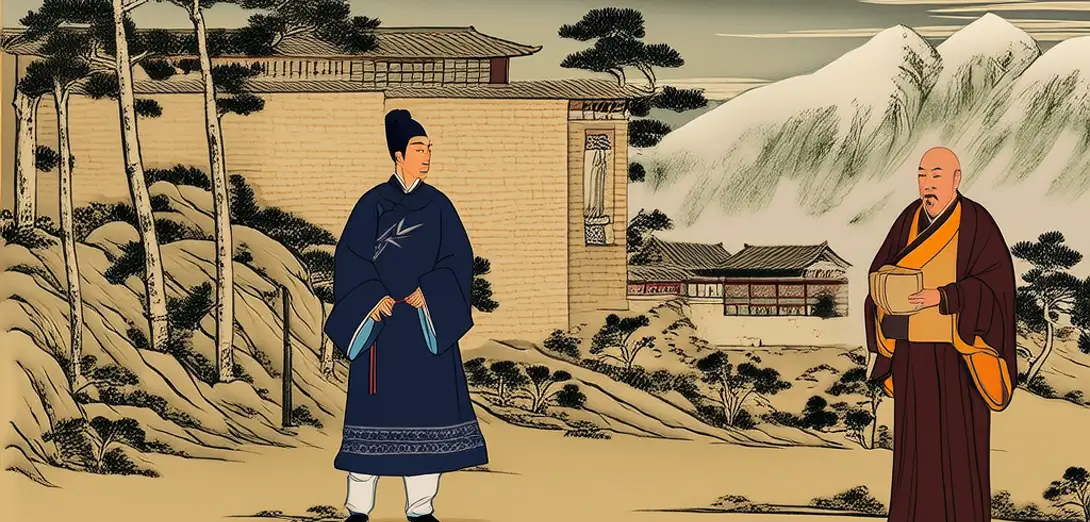
Lunar Calendar Negotiations in Qing Dynasty Sino-Tibetan Trade Corridors
清朝时期汉藏贸易走廊中的农历协调机制
-
Along the 18th-century Batang–Chengdu trade route, Han merchants and Tibetan monastic accountants reconciled lunar calendars through biannual 'calendar summits' held at high-altitude waystations.在18世纪巴塘—成都商路上,汉族商人与藏族寺院会计通过在高海拔驿站举行的半年一次‘历法峰会’协调阴阳历。
-
These meetings produced handwritten almanacs with dual-column annotations—Chinese stem-branch cycles alongside Tibetan lunar mansion calculations—used for contract dating and debt settlement.这些会议产出手写历书,采用双栏注释——左侧为中国的干支纪年,右侧为藏历星宿推算——用于合同签署与债务清算。
-
Discrepancies of up to three days between systems were not errors but intentional buffers allowing for caravan delays, weather disruptions, and ritual observances.两套历法间最多三天的差异并非错误,而是有意设置的缓冲期,以应对商队延误、天气干扰及宗教仪轨。
-
Qing officials tolerated this calendrical pluralism because it stabilized credit networks more reliably than imperial calendar mandates ever could.清廷官员容忍这种历法多元性,因其稳定信贷网络的效果远超帝国历法政令。
-
Tibetan traders used wax seals imprinted with astrological symbols to authenticate contracts, embedding temporal authority directly into the document’s materiality.藏族商人用印有占星符号的蜡封认证契约,将时间权威直接嵌入文件的物质载体中。
-
British consular reports from 1904 describe how British Indian rupees accepted in Batang bore stamped dates referencing both systems simultaneously.1904年英国领事报告记载,巴塘流通的英属印度卢比硬币上同时 stamped 两种历法日期。
-
Modern historians now treat these almanacs as 'temporal treaties'—negotiated instruments that governed economic time more effectively than territorial treaties.当代史学家将这类历书视为‘时间条约’——一种经协商达成的工具,对经济时间的治理效力远超领土条约。
-
The summits declined only after railway construction imposed standardized railway time, severing the link between market rhythms and celestial observation.随着铁路修建强制推行标准铁路时间,市场节律与天象观测间的联系被切断,峰会才逐渐消失。
-
Contemporary Sichuan cooperatives revive dual-calendar accounting for organic tea exports, citing traceability and seasonal authenticity.如今四川合作社为有机茶叶出口重启双历记账,强调可追溯性与季节真实性。
-
This practice reveals how premodern economies engineered temporal interoperability without central timekeeping institutions.这一实践揭示前现代经济体如何在无中央授时机构的情况下实现时间系统的互操作。
-
Calendrical coordination thus functioned as soft infrastructure—less visible than roads or bridges but equally vital to cross-cultural exchange.历法协调因而构成一种软性基础设施——虽不如道路桥梁显见,却同样支撑跨文化交往。
-
The lunar date stamp remains embedded in contemporary Tibetan banknotes as a subtle assertion of temporal sovereignty.藏钞上至今保留着农历日期印章,作为时间主权的微妙宣示。