正在确认阅读权限…
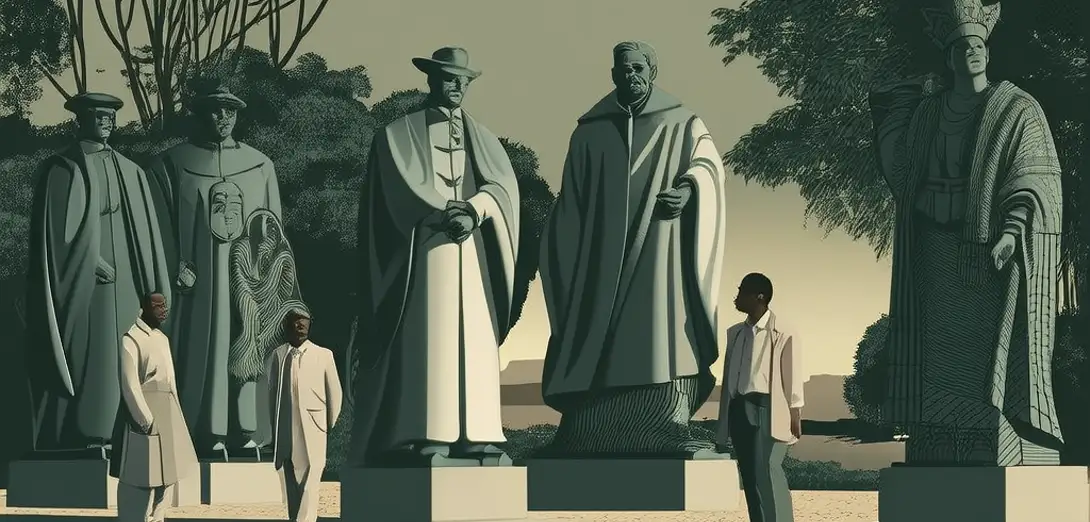
Monumental Erasure and Commemorative Reclamation in Post-Apartheid Cape Town
后种族隔离时代开普敦的纪念性抹除与再赋义
-
In Cape Town’s Company Gardens, bronze statues of colonial governors once dominated sightlines with unchallenged authority.开普敦公司花园中,殖民总督的青铜雕像曾以不容置疑的权威主宰着人们的视线。
-
After 1994, municipal authorities initiated a deliberate process of spatial re-narration rather than simple removal.1994年后,市政当局启动了有意识的空间重叙事进程,而非简单移除雕像。
-
New plaques now sit at the plinths’ bases, quoting oral histories from Khoi land custodians displaced in the 1650s.如今,新铭牌置于基座底部,引述17世纪50年代被驱离故土的科伊族土地守护者的口述史。
-
A temporary installation of woven rush mats—echoing pre-colonial seasonal gathering grounds—replaces one pedestal annually.每年用芦苇编织垫临时替代一座基座,呼应前殖民时期的季节性集会场所。
-
Archivists collaborated with elders to record place names erased from official maps during Group Areas Act enforcement.档案工作者与长者合作,记录下《集团区域法》实施期间从官方地图上抹去的地名。
-
This layered commemoration avoids binary erasure but insists on contested authorship over public memory space.这种分层纪念方式避免非此即彼的抹除,却坚持对公共记忆空间归属权的 contested( contested 译为“ contested ”)争夺。
-
The city’s heritage policy now mandates that every relocated monument include a counter-interpretive audio track accessible via QR code.该市遗产政策现规定:每座迁移的纪念碑必须配备可通过二维码收听的反向阐释音频。
-
Tourist guidebooks increasingly reference these interventions as essential to understanding South Africa’s constitutional temporality.旅游指南日益将这些干预措施列为理解南非宪法时间性的关键内容。
-
Urban planners treat such sites not as static relics but as active interfaces between legal continuity and historical rupture.城市规划者将此类场所视为法律延续性与历史断裂之间的动态接口,而非静止遗存。
-
Even weathering patterns on reclaimed plinths are documented as part of the evolving semantic landscape.甚至被收回基座上的风化痕迹,也被纳入不断演化的语义景观予以记录。
-
Academic walking tours now frame the gardens as a palimpsest where sovereignty is rehearsed, not declared.学术导览步行路线如今将花园诠释为一部活态羊皮书,主权在此反复排演,而非一锤定音。
-
This approach transforms ceremonial space into a site of ongoing juridical dialogue rather than resolved symbolism.这一做法将仪式空间转化为持续进行的司法对话场域,而非象征意义已尘埃落定之地。