正在确认阅读权限…
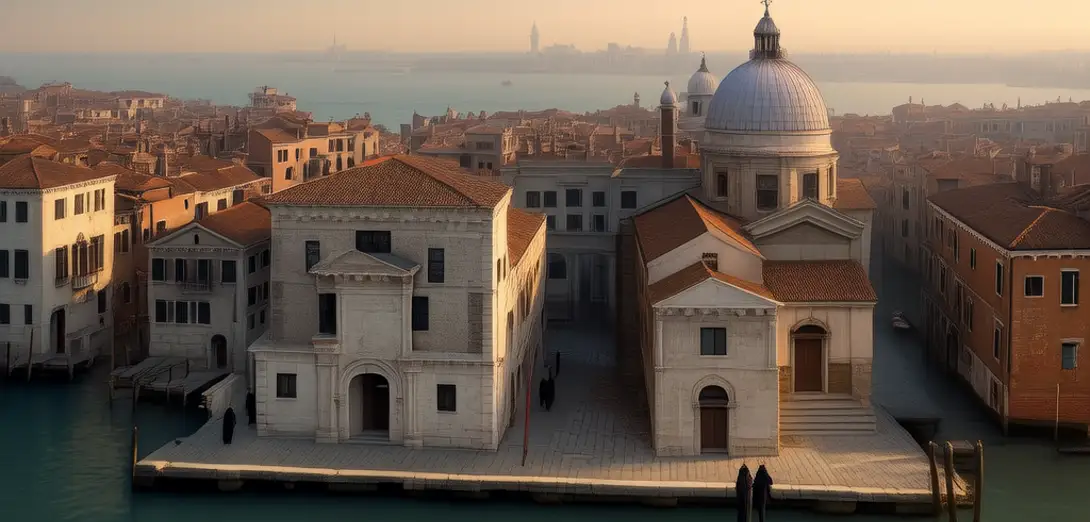
How Quarantine Protocols Shaped Urban Design
隔离规程如何重塑城市规划
-
Venice’s lazarettos—built on isolated islands starting in 1423—were among the first public health infrastructures designed not for cure, but for temporal containment.威尼斯的检疫所建于1423年起的孤岛上,是最早一批不以治疗、而以临时隔离为目的的公共卫生基础设施。
-
Their strict 40-day isolation rule (quaranta giorni) dictated building orientation, ventilation shaft placement, and even dock scheduling—architecture as epidemiological protocol.其严格的40天隔离规则(quaranta giorni)决定了建筑朝向、通风井位置乃至码头调度安排——建筑本身成为流行病学规程。
-
Ottoman port authorities in Smyrna adapted Venetian models but added gender-segregated wards, reflecting social norms that Western planners ignored until the 1920s.奥斯曼帝国士麦那港务当局借鉴威尼斯模式,但增设男女分隔病房,体现了西方规划者直至1920年代才重视的社会规范。
-
London’s 1665 plague orders mandated red crosses on doors and enforced household lockdowns—prefiguring modern contact-tracing logic in brick-and-mortar form.伦敦1665年鼠疫令要求在门上涂红十字并强制家庭封锁——以砖石形式预演了现代接触追踪逻辑。
-
Nineteenth-century Marseille rebuilt its entire port quarter after cholera outbreaks, widening streets specifically to prevent ‘miasma stagnation’—a flawed theory with functional urban outcomes.19世纪马赛在霍乱暴发后重建整个港口区,特意拓宽街道以防止‘瘴气滞留’——理论虽错,却催生了切实有效的城市改造。
-
Singapore’s 2003 SARS response revived quarantine architecture: modular housing blocks with negative-pressure rooms doubled as migrant worker dormitories during peak migration seasons.新加坡2003年应对SARS疫情重启隔离建筑理念:模块化住宅楼配备负压病房,高峰移民季兼作外籍劳工宿舍。
-
Quarantine zones often overlapped with existing marginal spaces—warehouses, barracks, unused convents—revealing how public health priorities expose spatial inequities.隔离区常与既有边缘空间重叠——仓库、兵营、废弃修道院——凸显公共卫生优先事项如何暴露空间不公。
-
Post-pandemic zoning laws in Berlin now require new residential buildings to include adaptable service cores—designed for rapid conversion into isolation units if needed.柏林疫后分区法规现要求新建住宅配备可变服务核心,以便危机时快速转为隔离单元。
-
The concept of ‘buffer space’ entered urban planning lexicons not from ecology, but from quarantine logistics: distance as infrastructure.‘缓冲空间’概念并非源于生态学,而是来自隔离物流:距离本身即基础设施。
-
Today’s airport health screening corridors replicate lazaretto logic—flow control, staged decontamination, and layered authority checkpoints.当今机场健康筛查通道复刻了检疫所逻辑——人流管控、分阶段消杀、多层权限检查点。
-
We design cities not just for movement and commerce, but for the controlled suspension of normalcy during crisis.我们建造城市,不仅为流动与商贸,也为危机中对常态的可控暂停。
-
Every wall built for containment carries assumptions about who needs separating—and from whom.每一道为隔离而筑的墙,都暗含着关于‘谁需被隔开、又与谁隔开’的预设。