正在确认阅读权限…
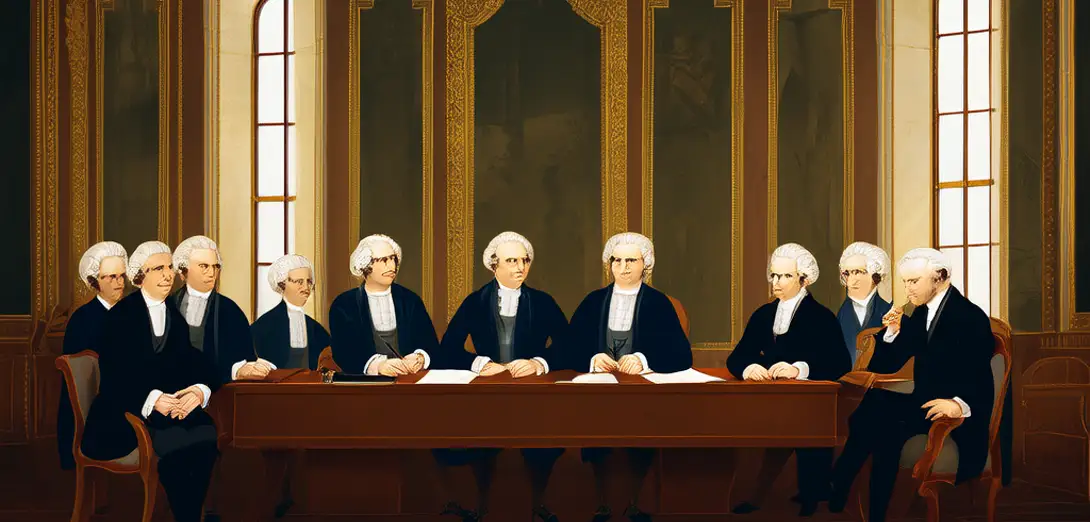
The Diplomatic Weight of Ceremonial Protocol
仪式性礼节的外交分量
-
At the 1714 Treaty of Utrecht, seating order wasn’t mere etiquette—it determined speaking rights, document authentication sequence, and even translation priority during negotiations.1714年《乌得勒支条约》谈判中,座次远非礼节问题——它决定了发言权、文件认证顺序,甚至翻译的优先级。
-
French envoys insisted on ‘right-hand precedence’ not for vanity, but because that position granted first access to draft treaties before rivals could propose amendments.法国使节坚持‘右位优先’并非出于虚荣,而是因该位置可率先审阅条约草案,抢在对手提出修改前掌握主动。
-
Qing Dynasty tributary missions to Beijing performed kowtows not as submission, but as calibrated performative consent—each bow angle encoded specific political concessions.清朝藩属国使团赴北京朝贡时行叩首礼,并非表示臣服,而是一种精心设计的象征性同意——每次叩首角度都暗含特定政治让步。
-
The 1871 Japanese Iwakura Mission studied European court rituals for months before arriving in London, knowing ceremonial missteps could derail trade agreement talks.1871年日本岩仓使节团抵达伦敦前,花数月研究欧洲宫廷礼仪,深知仪式失当可能使贸易谈判功败垂成。
-
Protocol manuals circulated among foreign ministries functioned as unofficial rulebooks—detailing napkin folding depths, teacup handle angles, and silence duration thresholds.各国外交部间流传的礼宾手册实为非正式规则书——详载餐巾折叠深度、茶杯把手朝向及沉默时长阈值。
-
During Cold War summits, the placement of microphones and interpreter booths was negotiated weeks in advance, as audio latency could imply deliberate delay or disrespect.冷战时期峰会前数周即需协商麦克风与同传间位置,因音频延迟可能被解读为蓄意拖延或失礼。
-
The 1961 Vienna Convention on Diplomatic Relations codified immunity, but left ceremonial hierarchy unregulated—making it a persistent site of quiet contestation.1961年《维也纳外交关系公约》虽确立外交豁免权,却未规范礼宾等级,使其成为持续隐性博弈的场域。
-
When South African diplomats were seated last at 1994 UN climate talks, it signaled exclusion not from discussion, but from agenda-setting influence.1994年联合国气候大会将南非外交官安排在末席,暗示其被排除的并非讨论资格,而是议程设定影响力。
-
Modern video conferences replicate these tensions: camera framing, virtual background choice, and mute timing all carry diplomatic subtext in multilateral settings.当代视频会议复现此类张力:镜头构图、虚拟背景选择与静音时机,在多边场合中皆具外交潜台词。
-
Ceremony doesn’t obscure politics—it structures its tempo, volume, and permissible gestures.仪式从不遮蔽政治——它塑造政治的节奏、音量与容许的姿态。
-
Every bow, pause, or chair height expresses a theory of sovereignty—sometimes more precisely than any treaty clause.每一次鞠躬、停顿或座椅高度,都在表达一种主权理论——有时比任何条约条款更精准。
-
Respect isn’t felt in abstract; it’s measured in centimeters, seconds, and syllables.尊重无法凭空感受;它以厘米、秒与音节来度量。