正在确认阅读权限…
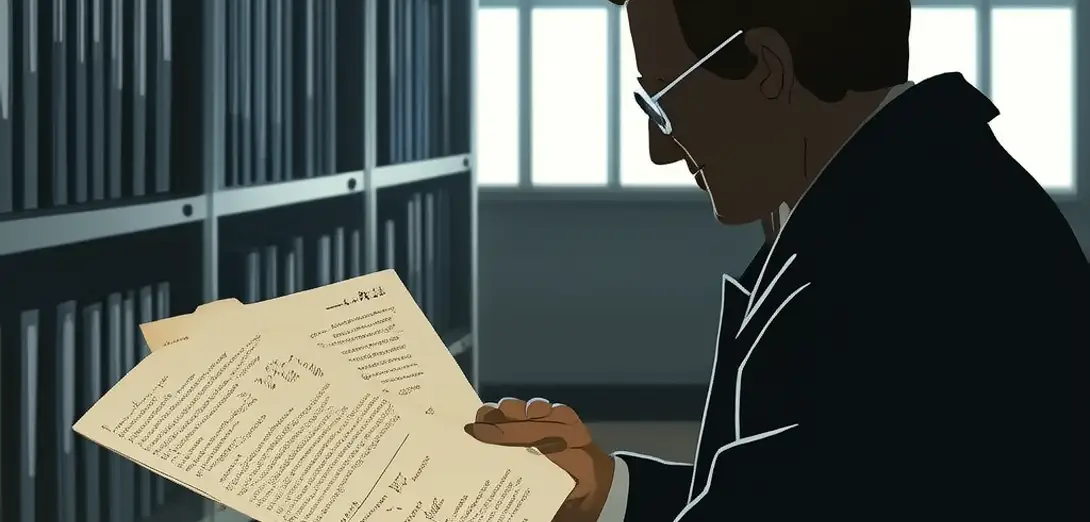
The Infrastructure of Silence in Diplomatic Archives
外交档案中沉默的基础设施
-
Declassified U.S. State Department cables from 1973 omit references to Chilean copper nationalization—not because it was secret, but because it was deemed ‘non-actionable background’.1973年解密的美国国务院电报中未提及智利铜矿国有化——并非因其属机密,而是被认定为‘无需采取行动的背景信息’。
-
British Foreign Office files from the 1920s routinely excised mentions of Kurdish petitions, classifying them as ‘administrative noise’ rather than sovereignty claims.1920年代英国外交部档案 routinely 删除有关库尔德请愿的记载,将其归类为‘行政杂音’,而非主权主张。
-
Archival silences aren’t accidental gaps—they’re engineered omissions following classification protocols that prioritize operational relevance over historical completeness.档案中的沉默并非偶然缺失,而是依据分类规程刻意制造的省略,其优先考虑操作相关性,而非历史完整性。
-
The 1946 U.N. Charter’s Article 102 mandates treaty registration, yet over 40% of bilateral security agreements remain unregistered—creating legally valid but historically invisible frameworks.1946年《联合国宪章》第102条要求条约登记,但逾40%的双边安全协定仍未登记——形成法律有效却历史不可见的框架。
-
Digitization projects often reinforce old silences: OCR software fails on faded ink or non-Latin scripts, erasing marginalized voices twice—first in creation, then in preservation.数字化项目常强化既有沉默:OCR软件无法识别褪色墨迹或非拉丁文字,使边缘化声音被抹除两次——先在生成时,再在保存时。
-
Swiss neutrality archives maintain ‘non-archivable’ folders—diplomatic notes so sensitive they lack catalog numbers, accessible only via handwritten request forms.瑞士中立档案馆设有‘不可归档’文件夹——敏感外交备忘录甚至无编目编号,仅能通过手写申请表调阅。
-
Redaction patterns reveal institutional priorities: economic clauses are rarely blacked out, while cultural cooperation paragraphs vanish frequently—suggesting what states value as proprietary.遮蔽模式暴露机构优先事项:经济条款极少被涂黑,文化合作段落却频繁消失——暗示国家视何者为专属利益。
-
The absence of minutes from 1955 Bandung Conference side meetings doesn’t indicate disinterest—it reflects deliberate non-documentation to preserve diplomatic flexibility.1955年万隆会议非正式会谈纪要的缺失,并非反映漠不关心,而是为保留外交弹性而刻意不予记录。
-
Modern cloud-based diplomatic platforms auto-delete drafts after 72 hours unless manually archived—a ‘silence-by-default’ architecture echoing older paper protocols.当代基于云的外交平台默认72小时后自动删除草稿,除非人工存档——这种‘默认沉默’架构,呼应了旧有的纸质规程。
-
Historians now treat silence as data: its location, density, and duration map power gradients more reliably than some official statements.史学家如今将沉默视为数据:其位置、密度与持续时间,比某些官方声明更能可靠映射权力梯度。
-
What isn’t said—or preserved—is often the most revealing indicator of what cannot be risked in writing.未被言说或保存的内容,往往最能揭示书写中不敢承担的风险。
-
Archives don’t just store memory; they curate what is permitted to endure—and what must remain unsaid.档案不仅储存记忆,更筛选何者获准留存,何者必须缄默。