正在确认阅读权限…
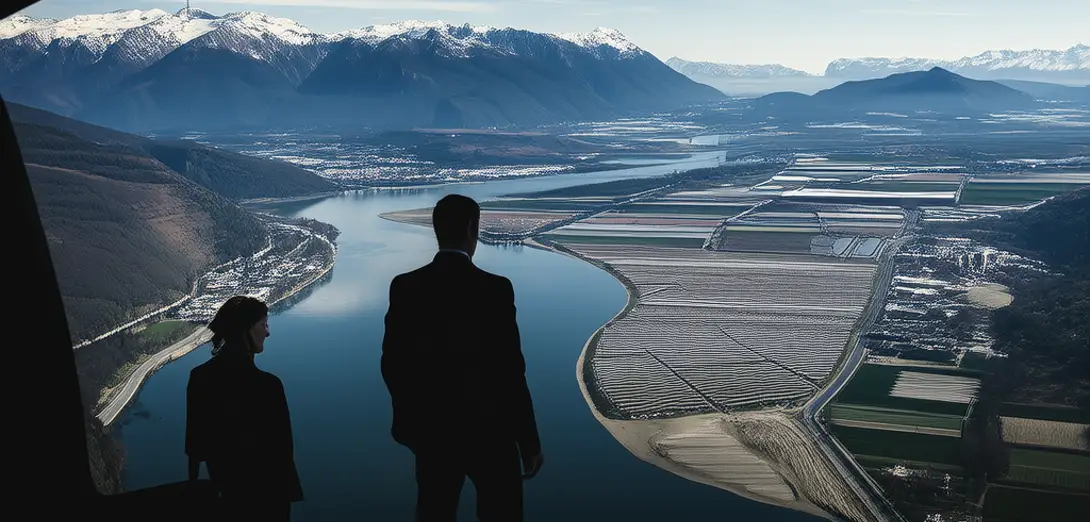
The Rhine as a Living Archive of European Integration
莱茵河:欧洲一体化的流动档案
-
Flowing over 1,230 kilometers from the Swiss Alps to the North Sea, the Rhine is less a river than a geopolitical ledger inscribed in sediment and treaty clauses.莱茵河发源于瑞士阿尔卑斯山,蜿蜒逾1230公里注入北海;它与其说是一条河流,不如说是一本以泥沙与条约条款写就的地缘政治账簿。
-
Its navigation treaties—first formalized in 1815 and revised through EU directives—transformed hydrological corridors into instruments of supranational governance.其航运条约最早于1815年确立,并经欧盟指令多次修订,将水文通道转化为超国家治理工具。
-
Industrial discharge limits imposed after the 1986 Sandoz chemical spill redefined transboundary accountability, shifting environmental law from national discretion to shared monitoring protocols.1986年桑多兹化工泄漏事件后设定的工业排污限值,重新定义了跨境环境责任,使环境法从各国自主裁量转向联合监测机制。
-
Dredging schedules now synchronize across seven countries not for shipping efficiency alone, but to maintain sediment continuity essential for downstream delta morphology.如今七国协同疏浚,目的不仅是提升航运效率,更在于维系泥沙连续性,保障下游三角洲地貌稳定。
-
Hydropower plants along its upper reaches must release minimum flows during droughts—not just to sustain fish migration, but to uphold contractual water-sharing obligations under the Bern Convention.上游水电站旱季须保障最低下泄流量——不仅为维持鱼类洄游,更须履行《伯尔尼公约》规定的跨境水量分配义务。
-
Riverbank land-use planning integrates floodplain restoration with cross-border freight logistics, treating ecological function and economic throughput as co-constitutive rather than competing priorities.河岸土地利用规划统筹洪泛区修复与跨境货运物流,将生态功能与经济流通视为相互建构、而非彼此对立的目标。
-
Satellite-based flow modeling feeds real-time data into the International Commission for the Protection of the Rhine’s adaptive management framework.基于卫星的径流建模实时向莱茵河国际保护委员会的适应性管理框架提供数据支持。
-
Urban waterfront redevelopment in Rotterdam and Cologne explicitly references fluvial memory—rebuilding quays not as static barriers but as calibrated interfaces between tidal pulse and civic space.鹿特丹与科隆的城市滨水区更新明确呼应河流记忆——重建码头并非作为静止屏障,而是作为潮汐节律与公共空间之间的精准界面。
-
Climate projections indicate earlier snowmelt peaks in Alpine headwaters, compelling renegotiation of seasonal allocation quotas among upstream hydropower operators and downstream agricultural consortia.气候预测显示阿尔卑斯山区源头融雪峰值提前,迫使上游水电运营商与下游农业联合体重新协商季节性水量配额。
-
The Rhine’s legal personality remains contested, yet its regulatory footprint already exceeds that of many nation-state environmental agencies in scope and enforcement rigor.莱茵河是否具备法律人格尚存争议,但其监管范围与执行力度已超越许多主权国家环境机构。
-
Its basin-wide nutrient trading scheme—launched in 2022—treats nitrogen loads as fungible units across jurisdictions, operationalizing the principle that pollution has no passport.2022年启动的全流域氮素交易机制,将氮负荷视作跨辖区可通兑单位,切实贯彻‘污染无国界’原则。
-
This river does not merely cross borders; it rewrites them, molecule by molecule, policy cycle by policy cycle.这条河流不仅穿越边界,更以分子为笔、以政策周期为纸,持续重绘边界。