正在确认阅读权限…
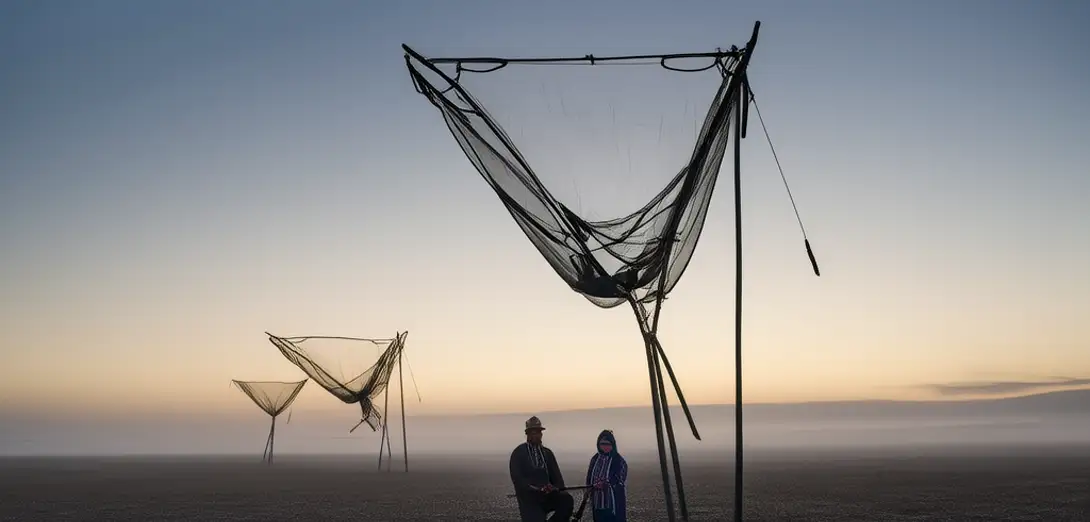
Namibian Fog-Harvesting Corridors: Atmospheric Infrastructure and Colonial Hydrological Erasure
纳米比亚雾水采集廊道:大气基础设施与殖民水文抹除
-
Along Namibia’s Skeleton Coast, fog-harvesting nets transform marine stratocumulus into potable water for remote Herero and Nama communities.在纳米比亚骷髅海岸,雾水收集网将海洋层积云转化为可供偏远赫雷罗族和纳马族社区饮用的淡水。
-
These linear infrastructures—strategically aligned with prevailing Benguela Current winds—function as de facto territorial markers in historically contested desert margins.这些线性基础设施沿本格拉洋流主导风向战略性布局,在历史上存在争议的沙漠边缘地带实际发挥着领土标识作用。
-
Unlike colonial-era boreholes that depleted fossil aquifers without consent, contemporary fog corridors embed Indigenous wind knowledge into material design.与殖民时期未经同意便耗尽化石含水层的钻井不同,当代雾水通道将原住民风知识融入实体设计。
-
Maintenance protocols follow seasonal fog calendars passed orally across generations, resisting standardization by national water ministries.维护规程遵循代代口传的季节性雾期日历,抵制国家水利部门推行的标准化管理。
-
Urban planners in Windhoek now reference these corridors when rethinking drought resilience beyond centralized desalination pipelines.温得和克的城市规划者如今参考这些雾水通道,重新思考超越集中式海水淡化管道的抗旱韧性。
-
Critics caution that carbon-offset funding risks recasting atmospheric capture as apolitical tech-solutionism rather than reparative hydro-justice.批评者警示,碳抵消资金可能使大气取水被重塑为去政治化的技术解决方案,而非修复性的水正义。
-
Field surveys confirm fog yield varies by 37% between north-facing and south-facing net orientations—a detail embedded in ancestral land-use maps.实地调查显示,朝北与朝南布置的雾网集雾量相差37%——这一细节早已载入祖先的土地利用图谱。
-
The Ministry of Environment recently codified corridor buffer zones, acknowledging them as living archives of coastal climatic memory.环境部近期将雾水通道缓冲区纳入法规,承认其为承载海岸气候记忆的活态档案。
-
International climate adaptation grants increasingly require co-design with local fog-watchers, shifting power from hydrological engineers to atmospheric elders.国际气候适应资助项目日益要求与当地雾情观测者共同设计,推动权力从水文工程师转向大气长者。
-
This spatial practice reframes aridity not as scarcity but as a temporally layered medium demanding ritual calibration and intergenerational accountability.这种空间实践将干旱重新定义为一种具有时间层次的媒介,需要仪式化校准与代际责任。
-
Fog corridors thus operate at the intersection of meteorological precision, postcolonial restitution, and embodied environmental epistemology.雾水通道 thus 运行于气象精确性、后殖民补偿与具身环境认知论的交汇点。
-
Their proliferation signals a quiet paradigm shift: from extracting water to negotiating with atmosphere.其日益普及标志着一场静默的范式转变:从攫取水源转向与大气协商。