正在确认阅读权限…
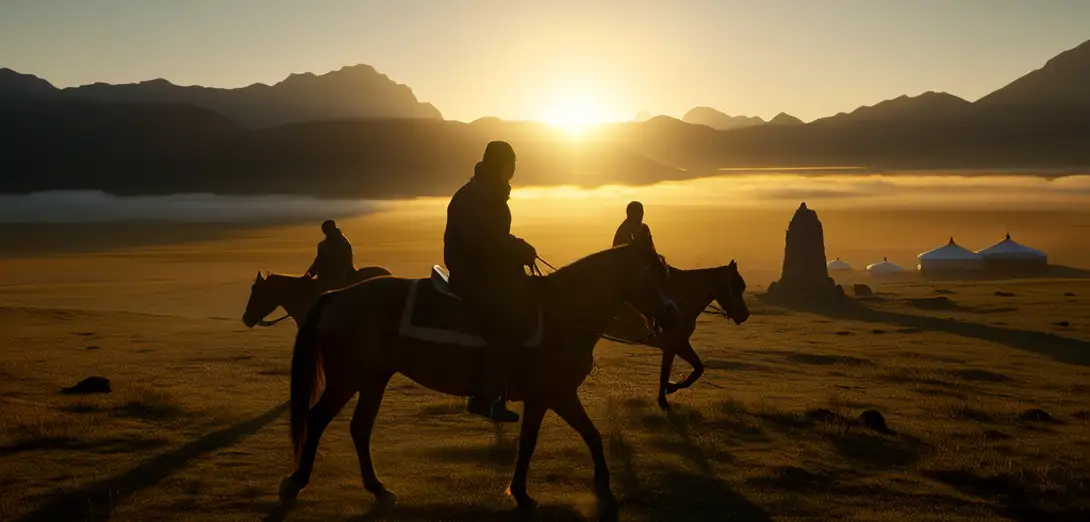
Kyrgyzstan’s Tengri Ritual Routes: Celestial Cartography and Steppe Sovereignty in the Tian Shan
吉尔吉斯斯坦腾格里仪式路线:天山草原上的天体测绘与游牧主权
-
Across Kyrgyzstan’s high-altitude pastures, seasonal migrations follow ancient Tengri ritual routes aligned with solstice sunrises over specific Tian Shan peaks.在吉尔吉斯斯坦的高海拔牧场,季节性迁徙沿古老的腾格里教仪式路线进行,这些路线与天山特定山峰上夏至和冬至的日出方位精准对应。
-
These paths—marked not by GPS coordinates but by stone cairns imbued with oral genealogies—constitute a non-state cartographic system resisting Soviet-era sedentarization policies.这些路径并非以GPS坐标标记,而是依靠刻有口述家谱的石堆标识,构成了一套抵制苏联时期定居化政策的非国家制图体系。
-
Herders ritually pause at named passes to recite cosmogonic verses linking mountain morphology to ancestral breath and celestial rotation.牧民在命名的山口处举行仪式性停驻,吟诵宇宙起源诗篇,将山脉形态与祖先气息及天体运行相联结。
-
Contemporary land-use conflicts arise when Chinese-built Belt and Road transport corridors intersect these sacred alignments without consultation.当中国承建的‘一带一路’交通走廊未经协商便穿越这些神圣路线时,当代土地利用冲突随之而起。
-
UNESCO’s recent tentative listing acknowledges the routes as ‘living sky-maps’ where geography, theology, and ecological monitoring converge.联合国教科文组织近期将其列入暂定名录,认可这些路线是‘活态星空地图’,地理、神学与生态监测在此交汇。
-
Satellite imagery reveals remarkable consistency between Soviet topographic surveys and 19th-century Russian ethnographic notes on route fidelity.卫星影像显示,苏联地形测绘与19世纪俄罗斯民族志笔记中关于路线走向的记载高度一致。
-
Younger herders now integrate solar-panel chargers into portable yurts, yet maintain strict taboos against electronic devices near ritual cairns at dawn.年轻牧民如今将太阳能充电器融入便携式毡房,却仍严守禁忌:黎明时分严禁电子设备靠近仪式石堆。
-
The Kyrgyz Academy of Sciences collaborates with elder councils to digitize star-path narratives—not as archival relics but as dynamic land-access protocols.吉尔吉斯斯坦科学院与长老议事会合作,将星轨叙事数字化——并非作为静态档案,而是作为动态的土地准入规程。
-
Climate-driven pasture degradation has intensified adherence to these routes, as deviations correlate strongly with livestock mortality data from regional veterinary records.气候导致的草场退化加剧了对这些路线的遵循,因偏离路线与地方兽医记录中的牲畜死亡率显著相关。
-
State hydrological models remain blind to the routes’ function as predictive indicators of snowmelt timing and glacial runoff patterns.国家水文模型仍未识别出这些路线作为融雪时间与冰川径流模式预测指标的功能。
-
This celestial geography challenges Western GIS paradigms by treating time, memory, and stellar position as constitutive terrain features.这种星空地理学挑战西方GIS范式,将时间、记忆与恒星位置视作构成地形的基本要素。
-
Tengri routes thus perform sovereignty not through borders but through calibrated movement across atmospheric, geological, and ancestral strata.因此,腾格里路线所体现的主权,并非通过边界划定,而是通过在大气层、地质层与祖先层之间经校准的移动来实现。