正在确认阅读权限…
Iceland’s Geothermal Transition: Energy Sovereignty Beyond Carbon Accounting
冰岛的地热转型:超越碳核算的能源主权
-
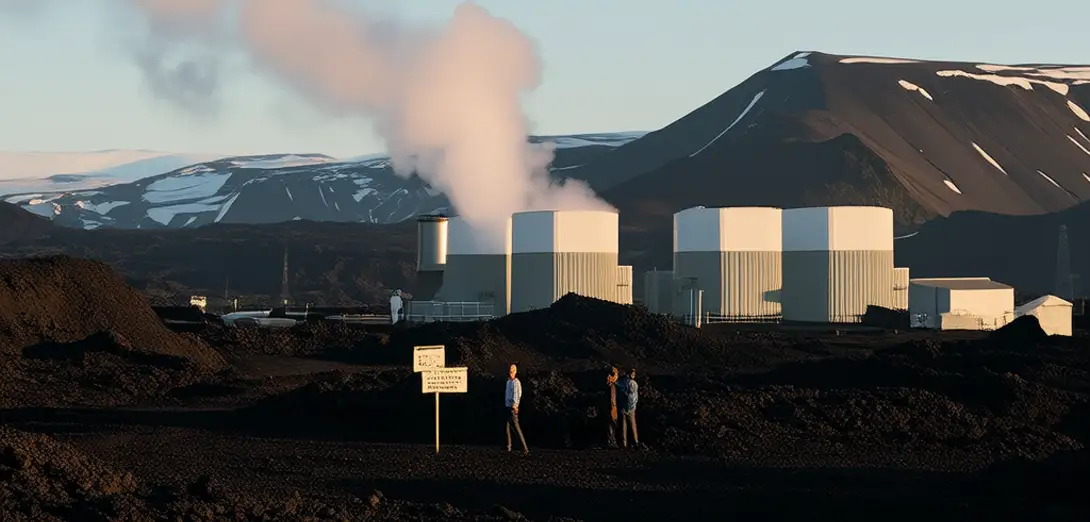
Iceland generates 85 percent of its primary energy from geothermal sources—not as a climate mitigation tactic, but as a strategic assertion of energy sovereignty forged through post-war geological state-building.冰岛85%的一次能源来自地热——这并非气候缓解举措,而是战后通过地质国家建设所确立的能源主权战略宣示。
-
The 1969 establishment of Orkuveita Reykjavíkur (Reykjavik Energy) centralized geothermal development under municipal control, deliberately avoiding private concessions that might replicate colonial resource extraction patterns.1969年成立的雷克雅未克能源公司(Orkuveita Reykjavíkur)将地热开发收归市政统一管理,刻意规避可能复制殖民式资源掠夺模式的私营特许权。
-
District heating networks pipe 90°C water directly into homes and greenhouses, reducing household heating costs to less than 5 percent of disposable income—compared to 22 percent in comparable Nordic cities reliant on imported gas.区域供暖管网将90℃热水直供家庭与温室,使居民供暖支出不足可支配收入的5%——而依赖进口天然气的同类北欧城市该比例高达22%。
-
Geothermal plants operate under strict reinjection mandates: every liter extracted must return underground within 18 months, preserving aquifer pressure and preventing land subsidence observed in Los Angeles or Jakarta.地热电站严格执行回灌强制令:每升抽取的水须在18个月内回注地下,以维持含水层压力,避免洛杉矶或雅加达等地出现的地表沉降。
-
The Hellisheiði Power Station co-generates electricity and captures 4,000 tons of CO₂ annually—not for sequestration credits, but to synthesize methanol for domestic shipping fuel, closing a carbon loop at national scale.赫利舍迪电厂同步发电并每年捕获4000吨二氧化碳——目的并非获取碳封存信用,而是合成甲醇作为国内航运燃料,实现国家级碳循环闭环。
-
Tourism infrastructure—including the Blue Lagoon—pays royalties into a sovereign geothermal fund that finances R&D for deep-drilling technologies applicable in lower-enthalpy regions like Germany or Japan.旅游设施(包括蓝湖温泉)向主权地热基金缴纳特许使用费,用于资助适用于德国、日本等低焓地区的深钻技术研发。
-
Regulatory oversight resides with the National Energy Authority, whose staff include volcanologists, hydrogeologists, and community liaison officers—not just engineers and economists.监管职责归属国家能源局,其人员涵盖火山学家、水文地质学家及社区联络官,而不仅限于工程师与经济学家。
-
Greenhouse tomato production now supplies 70 percent of domestic demand year-round, displacing imports and reducing food miles by over 12,000 kilometers per kilogram of produce.温室番茄全年供应国内70%需求,替代进口,将每公斤农产品的食品里程减少逾1.2万公里。
-
Energy pricing structures include progressive tiers that subsidize low-income households while charging premium rates for high-consumption commercial users, embedding equity into thermal infrastructure design.能源定价采用累进阶梯制:补贴低收入家庭,对高耗能商业用户收取溢价,将公平性嵌入供热基础设施设计。
-
Public consultation precedes any new wellfield development, with geological risk disclosures translated into accessible visual formats—not technical appendices buried in permitting documents.任何新井场开发前均须开展公众咨询,地质风险信息以通俗可视化形式呈现,而非仅藏于许可文件的技术附录中。
-
The model treats geothermal not as infinite, but as deeply contingent: each well’s lifespan is modeled in decades, not centuries, demanding continuous reinvestment in exploration and innovation.该模式不视地热为取之不尽,而视其高度依赖具体条件:每口井寿命按数十年建模,而非数百年,要求持续投入勘探与创新。
-
Its success lies not in abundance, but in the institutional architecture that treats heat as a civic trust—not a commodity to be optimized.其成功不在于资源丰裕,而在于制度架构——将热能视为公民信托,而非待优化的商品。