正在确认阅读权限…
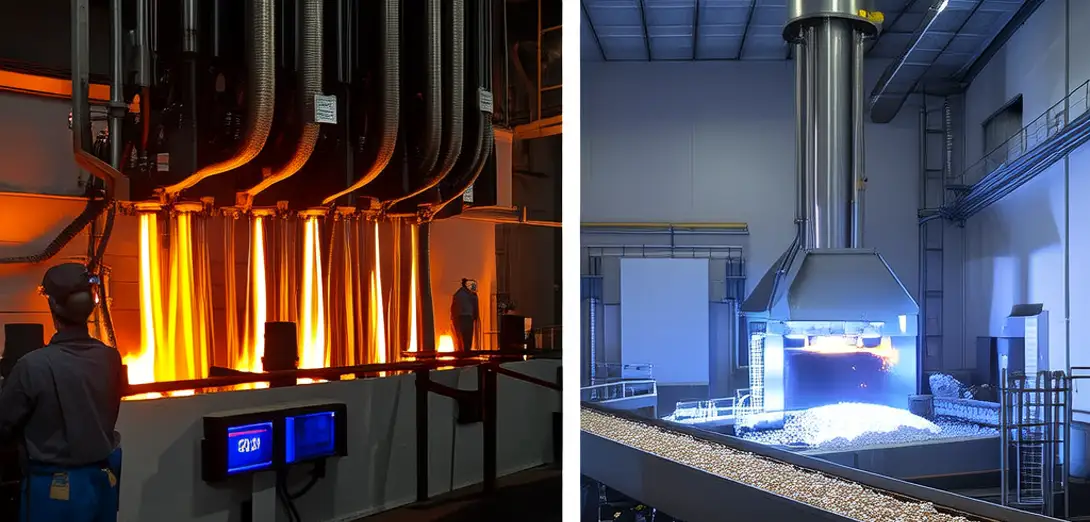
Why Recycled Aluminum Saves So Much Energy
为什么再生铝能节省大量能源
-
Making new aluminum from bauxite ore requires electrolysis at over 950°C, consuming vast amounts of electricity.从铝土矿冶炼新铝需在950°C以上进行电解,耗电量巨大。
-
Recycling scrap aluminum uses only 5% of that energy because melting needs just 660°C and no chemical separation.回收废铝仅需原能耗的5%,因熔化只需660°C,且无需化学分离。
-
Each ton of recycled aluminum saves about 14,000 kWh—enough to power an average home for over a year.每吨再生铝可节省约14,000千瓦时电能——足够普通家庭使用一年以上。
-
Aluminum retains its properties indefinitely, so cans, window frames, and car parts can be reused endlessly.铝的性能永不退化,易拉罐、窗框和汽车部件均可无限循环利用。
-
Sorting technologies like X-ray fluorescence identify alloy types automatically on high-speed conveyor belts.X射线荧光等分选技术可在高速传送带上自动识别合金种类。
-
Molten salt fluxes remove impurities during remelting, ensuring purity meets aerospace or packaging standards.熔盐精炼剂在重熔过程中去除杂质,确保纯度满足航空航天或包装标准。
-
Global recycling rates hover near 75% for cans but drop below 30% for building materials due to collection challenges.全球易拉罐回收率约75%,但因收集困难,建筑用铝回收率不足30%。
-
Designers now specify ‘design-for-recycling’ features—like detachable coatings—to simplify future recovery.设计师如今采用‘为回收而设计’理念,例如可拆卸涂层,以简化未来回收。
-
Carbon footprint studies show recycled aluminum emits 95% less CO₂ than primary production per kilogram.碳足迹研究表明,每千克再生铝的二氧化碳排放比原生铝低95%。
-
Thus, circular economy principles turn metallurgy into a powerful climate solution.因此,循环经济原则将冶金业转化为一项有力的气候解决方案。