正在确认阅读权限…
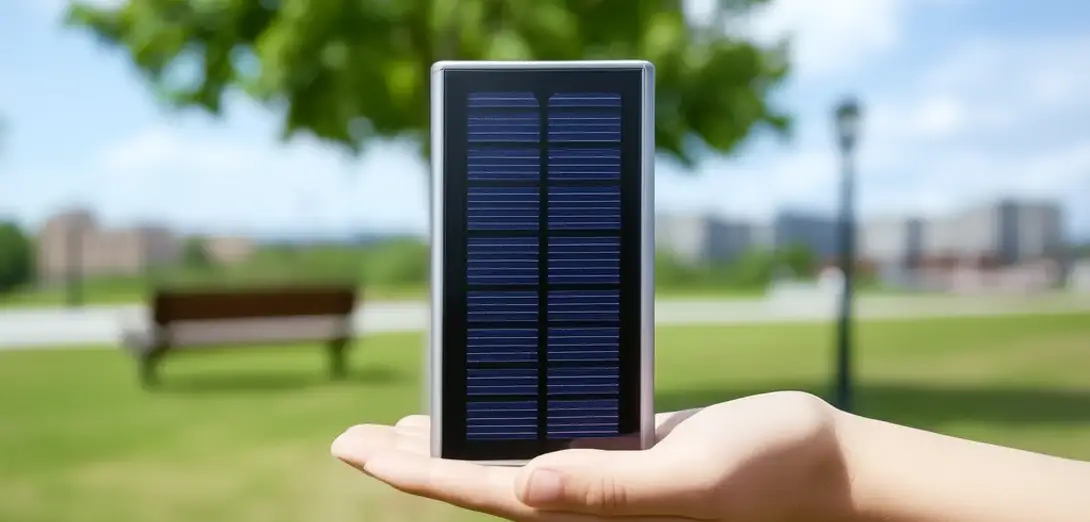
How Solar Chargers Work on Cloudy Days
阴天时太阳能充电器如何工作
-
Solar chargers convert light—not just direct sunlight—into electricity using photovoltaic (PV) cells.太阳能充电器利用光伏(PV)电池,将光线(不仅是直射阳光)转化为电能。
-
On cloudy days, diffuse light still reaches panels, though output drops to 10–25% of full capacity.阴天时,散射光仍能到达面板,但输出功率降至满负荷的10%–25%。
-
Monocrystalline silicon cells perform best in low-light conditions due to higher electron mobility.单晶硅电池因电子迁移率更高,在弱光条件下表现最佳。
-
Built-in lithium-ion batteries store surplus energy from sunny hours for later use at night or indoors.内置锂离子电池可储存晴天富余电能,供夜间或室内使用。
-
Some models include USB-C power delivery to charge phones faster when solar input is weak.部分型号配备USB-C快充功能,即使太阳能输入较弱也能更快为手机充电。
-
Efficiency also depends on panel angle: tilting toward the sky maximizes exposure to scattered light.效率还取决于面板角度:朝向天空倾斜可最大限度接收散射光。
-
Portable chargers often pair PV panels with reflective fabric to bounce extra ambient light onto cells.便携式充电器常将光伏板与反光布结合,将更多环境光反射至电池片。
-
Testing shows most units can fully recharge a smartphone after six to eight hours of overcast daylight.测试表明,多数设备在六至八小时阴天光照下即可为智能手机充满电。
-
They’re especially useful for hikers, campers, or emergency kits where grid access is unreliable.它们特别适合徒步者、露营者或电网不可靠场景下的应急包。
-
Understanding this balance between light quality, storage, and conversion helps users plan realistically.理解光照质量、储能与转换效率之间的平衡,有助于用户合理规划使用。