正在确认阅读权限…
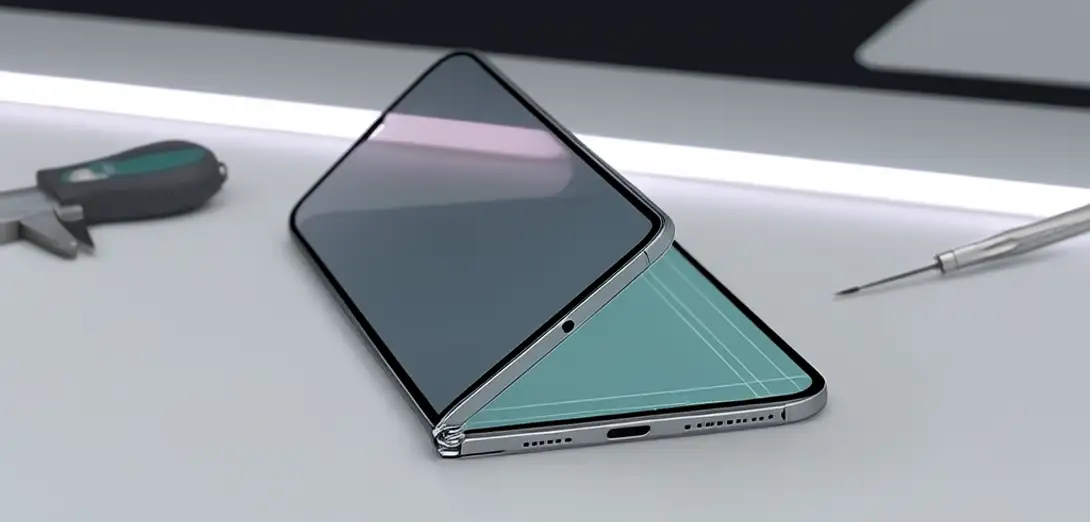
The Engineering Behind Foldable Phone Screens
折叠屏手机屏幕背后的工程学
-
Foldable screens use ultra-thin glass (UTG) or polymer layers that bend without cracking under repeated motion.可折叠屏幕采用超薄玻璃(UTG)或可弯折聚合物层,反复弯折不易开裂。
-
Hinges contain dozens of precision gears and springs to distribute stress evenly across the folding axis.铰链内置数十个精密齿轮与弹簧,均匀分散折叠轴上的应力。
-
Specialized adhesives bond display layers tightly while allowing controlled flexing during thousands of open-close cycles.专用胶粘剂紧密贴合显示层,同时支持数千次开合过程中的可控弯曲。
-
Water-resistant seals protect internal components from dust and moisture entering near the crease area.防水密封结构防止灰尘和湿气从折痕区域侵入内部元件。
-
Display drivers adjust pixel response times near the fold to prevent ghosting or color shifts during bending.显示驱动芯片动态调节折痕附近像素响应时间,避免弯折时出现残影或偏色。
-
Thermal management systems redirect heat away from the hinge zone, where electronics concentrate and airflow is limited.散热系统将热量从铰链区域导出——此处电子元件密集且空气流通受限。
-
Manufacturers test prototypes for over 200,000 folds—equivalent to five years of daily use—to ensure durability.厂商对样机进行超20万次折叠测试,相当于五年每日使用,以验证耐用性。
-
Camera placement avoids the fold line, and software detects screen orientation to switch layouts seamlessly.摄像头避开折痕线布局,软件实时识别屏幕朝向,无缝切换界面布局。
-
Materials engineers continue refining nickel-titanium alloys for hinges that self-realign after minor impacts.材料工程师持续优化镍钛合金铰链,使其在轻微撞击后能自动复位。
-
Ultimately, foldables merge flexible electronics, mechanical reliability, and human-centered interface design.归根结底,折叠屏融合了柔性电子、机械可靠性与以人为本的交互设计。