正在确认阅读权限…
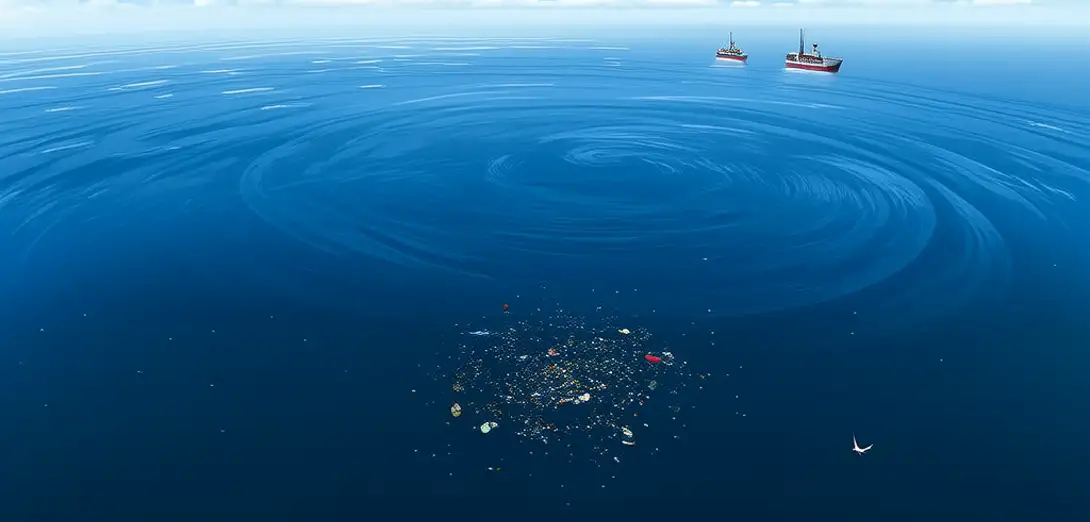
How Do Ocean Gyres Concentrate Plastic Waste Into Massive Patches?
海洋环流如何将塑料垃圾聚集成巨型垃圾带?
-
Ocean gyres are large, slow-moving circular currents driven by wind patterns and Earth’s rotation.洋流环流是由风型和地球自转驱动的大规模缓慢环流。
-
Five major subtropical gyres trap floating debris in their calm central zones called 'convergence zones'.五大副热带环流在其平静的中心汇聚区困住漂浮垃圾。
-
Plastic fragments break down into microplastics but remain buoyant due to low density and surface tension.塑料碎片会分解成微塑料,但因密度低和表面张力而保持漂浮。
-
Current models show that over 80% of ocean plastic originates from land-based sources via rivers.现有模型显示,超过80%的海洋塑料来自经河流入海的陆源垃圾。
-
The North Pacific Gyre hosts the largest accumulation zone, known informally as the Great Pacific Garbage Patch.北太平洋环流拥有最大的垃圾聚集区,俗称‘大太平洋垃圾带’。
-
Satellite tracking and drifting buoys help scientists map transport pathways and residence times.卫星追踪与漂流浮标帮助科学家绘制塑料传输路径和滞留时间。
-
Marine organisms mistake microplastics for plankton, introducing toxins up the food chain.海洋生物将微塑料误认为浮游生物,使毒素沿食物链向上累积。
-
Cleanup efforts focus on intercepting riverborne waste before it reaches open ocean circulation.清理工作重点在于拦截进入公海环流前的河流垃圾。
-
Biodegradable alternatives fail in seawater because salt and cold inhibit microbial breakdown.可降解替代品在海水中失效,因为盐分和低温抑制微生物分解。
-
Oceanographers combine fluid dynamics simulations with field sampling to predict future accumulation hotspots.海洋学家结合流体动力学模拟与实地采样,预测未来垃圾聚集热点。