正在确认阅读权限…
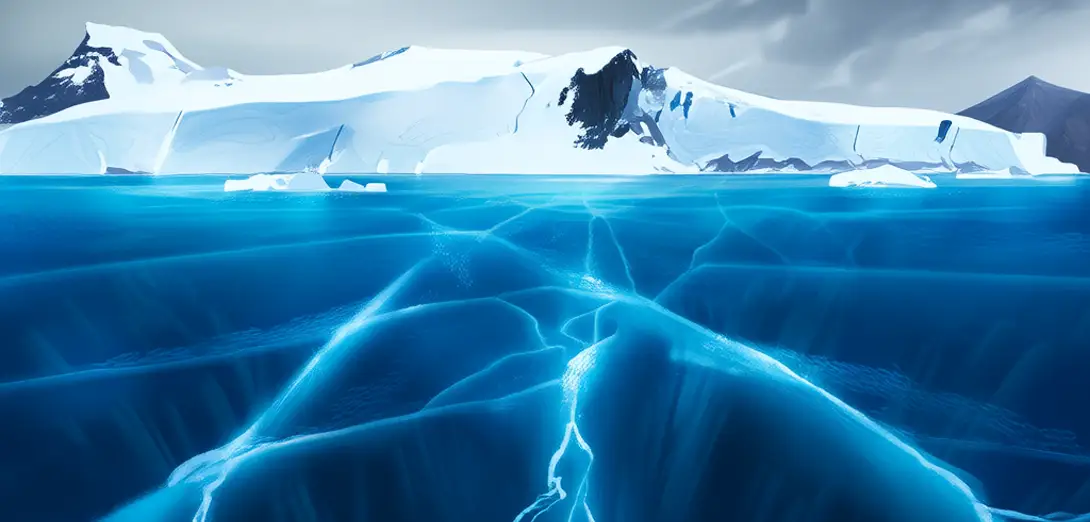
Why Do Glaciers Emit Low-Frequency Rumbles Before Calving Events?
为什么冰川在崩解前会发出低频轰鸣声?
-
Before large ice chunks break off glaciers, microfractures spread rapidly through stressed ice layers deep below the surface.大型冰块从冰川崩解前,微裂隙会迅速在表层以下受应力的冰层中扩展。
-
These fractures generate seismic waves below 20 Hz—inaudible to humans but detectable by geophones and infrasound arrays.这些裂隙产生频率低于20赫兹的地震波——人耳无法听见,但可通过地震检波器和次声波阵列探测。
-
Water trapped in crevasses expands and contracts under pressure, amplifying resonance in ice-air cavities.冰裂缝中被困住的水在压力下反复胀缩,放大冰-气空腔内的共振。
-
Scientists record these rumbles hours before visible calving, using them as early warning signals.科学家在肉眼可见崩解发生数小时前就录得这些低频轰鸣,并将其用作早期预警信号。
-
The sound frequency correlates with ice thickness and internal strain rates measured via GPS and satellite radar.轰鸣频率与冰层厚度及通过GPS和卫星雷达测得的内部应变率相关。
-
Ice behaves like a brittle solid under tension but flows plastically over years—creating complex stress-release acoustics.冰在拉伸下表现为脆性固体,但年际尺度上呈塑性流动,由此产生复杂的应力释放声学现象。
-
Rumble intensity spikes when meltwater lubricates the glacier bed, accelerating basal sliding and fracture propagation.当融水润滑冰川底部时,轰鸣强度骤增,加速基底滑动与裂隙扩展。
-
This phenomenon helps distinguish natural calving from iceberg detachment triggered by warming ocean currents.该现象有助于区分自然崩解与由暖洋流引发的冰山脱离。
-
Monitoring infrasound improves safety for nearby research stations and coastal communities.次声监测提升了邻近科考站和沿海社区的安全性。
-
It also reveals how climate-driven melt alters glacier dynamics faster than surface observation alone can show.它还揭示了气候驱动的消融如何比单纯地表观测更快地改变冰川动力学。