正在确认阅读权限…
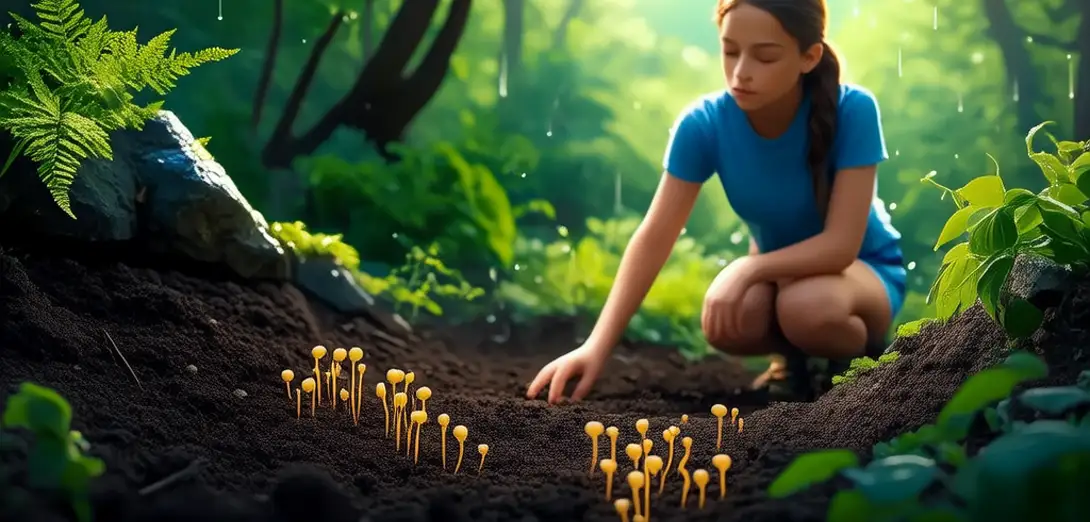
Why Does Rain Smell So Fresh After a Storm?
为什么雨后空气闻起来格外清新?
-
That pleasant earthy scent after rain is called petrichor, and it comes from soil-dwelling bacteria.雨后那宜人的泥土气息被称为‘潮土油味’,源自土壤中的细菌。
-
During dry periods, certain microbes like Streptomyces release oily compounds into the ground.干旱期,链霉菌等微生物会向土壤中释放油脂类化合物。
-
When raindrops hit porous surfaces like soil or rock, they trap tiny air bubbles beneath them.雨滴落在土壤或岩石等多孔表面时,会在下方困住微小气泡。
-
These bubbles rise and burst at the surface, releasing aerosols carrying geosmin—the main odor molecule.这些气泡上升至表面并破裂,释放携带土臭素的气溶胶——土臭素是主要气味分子。
-
Geosmin has an extremely low detection threshold: humans can smell it at just five parts per trillion.土臭素的感知阈值极低:人类仅需每万亿份中含五份即可察觉。
-
Light rain produces more aerosols than heavy downpours because gentle impacts create finer mist.小雨比暴雨产生更多气溶胶,因为轻柔撞击能形成更细密的水雾。
-
Plant oils also mix into the scent, adding green, herbal notes to the overall aroma.植物油脂也融入气味中,为整体香气增添青绿、草本气息。
-
Desert-dwellers often notice petrichor most strongly, since dry conditions concentrate the compounds longer.沙漠居民往往最强烈地感知潮土油味,因干燥环境使相关化合物存留更久。
-
Our brains associate this smell with safety, renewal, and fertility—an evolutionary advantage.大脑将这种气味与安全、新生和丰饶联系起来,具有进化优势。
-
Even indoor plants can release similar compounds when watered, mimicking natural petrichor.室内植物浇水时也会释放类似化合物,模拟天然潮土油味。