正在确认阅读权限…
Día de Muertos Beyond Sugar Skulls: Memory Work as Civic Practice in Oaxaca
超越糖骷髅:瓦哈卡亡灵节作为公民记忆实践
-
In San Juan Bautista’s central plaza, families don’t ‘celebrate death’—they conduct archival labor, rebuilding collective memory through scent, texture, and shared testimony.在圣胡安包蒂斯塔的中心广场,家人们并非‘庆祝死亡’,而是从事档案工作,通过气味、触感与共同证言重建集体记忆。
-
Altars feature not generic ‘spirits’ but named photographs, handwritten letters, and tools once used by the deceased—lawyers’ briefcases, midwives’ birthing stools, teachers’ chalk-dusted notebooks.祭坛上摆放的不是泛泛而谈的‘灵魂’,而是逝者姓名照片、手写信件及生前用具——律师的公文包、助产士的分娩凳、教师粉笔斑驳的笔记本。
-
Local collectives negotiate municipal permits not for parade routes but for cemetery access, transforming bureaucratic procedure into intergenerational covenant.本地团体申办市政许可,并非为游行路线,而是为进入墓地,将官僚程序转化为代际契约。
-
Teenage volunteers digitize oral histories while elders correct pronunciation in Zapotec, treating linguistic accuracy as act of restitution.青少年志愿者数字化口述史,长者用萨波特克语纠正发音,视语言准确为一种 restitution(补偿/修复)行为。
-
When government funding prioritizes tourist-friendly ‘folkloric’ elements, grassroots groups redirect resources toward restoring neglected grave sites—memory as infrastructure.当政府资金倾向游客友好的‘民俗化’元素时,草根组织则将资源转向修缮被忽视的墓地——记忆即基础设施。
-
The ‘calavera’ poetry tradition satirizes living politicians and corrupt officials, making ancestral veneration inseparable from civic critique.‘骷髅诗’传统讽刺在世政客与腐败官员,使祖先敬奉与公民批判密不可分。
-
Unlike Western grief counseling models, this practice treats mourning as public stewardship, where emotional labor sustains communal epistemology.不同于西方哀伤辅导模式,这一实践将哀悼视为公共守护,情感劳动维系着社群的知识体系。
-
School curricula integrate altar-building with land-rights history, linking ancestral reverence to contemporary Indigenous land defense movements.学校课程将祭坛制作与土地权历史结合,把祖先敬奉与当代原住民土地保卫运动联结起来。
-
Tourist photography bans in cemeteries aren’t about exclusion but about preserving the semantic weight of gaze—whose eyes witness, whose stories are centered.墓地禁止游客摄影,并非出于排斥,而是为保全目光的语义重量——谁在注视?谁的故事被置于中心?
-
A 2023 municipal ordinance now requires all public altars to include at least one displaced migrant’s name, expanding kinship beyond bloodline.2023年一项市政条例规定:所有公共祭坛须至少列入一位流离失所移民的姓名,将亲缘关系拓展至血缘之外。
-
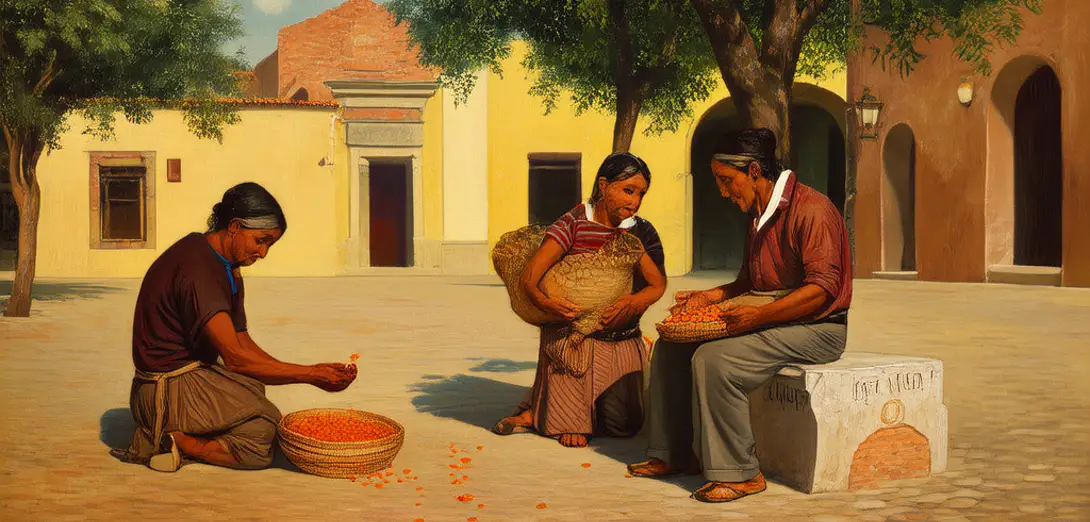
The marigold path isn’t symbolic navigation—it’s literal cartography mapping trauma, resilience, and unbroken lineage across generations.万寿菊铺就的小径并非象征性导航,而是真实测绘——标记创伤、韧性与跨越世代的未断血脉。
-
Here, remembrance functions not as nostalgia but as constitutional practice: memory as binding law, not decorative motif.在此,纪念并非怀旧,而是一种宪制实践:记忆即具约束力的法,而非装饰性图案。