正在确认阅读权限…
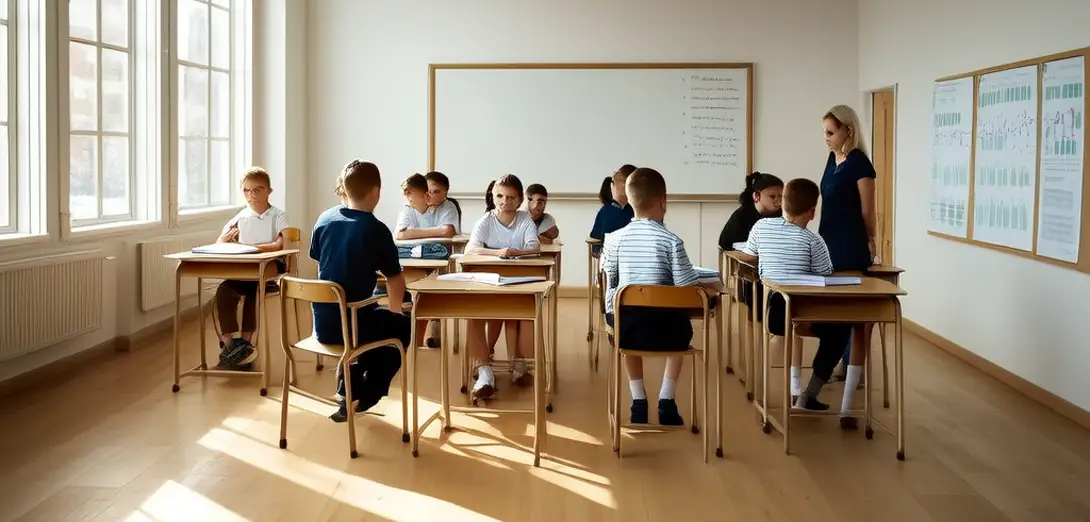
Finnish Classroom Silence: Trust as Pedagogical Infrastructure in Helsinki
赫尔辛基课堂沉默:信任作为教学基础设施
-
When Finnish eighth-graders sit without raising hands for seven minutes while analyzing climate policy data, the silence isn’t passive—it’s cognitive scaffolding.当芬兰八年级学生分析气候政策数据时,七分钟不举手的静默并非被动,而是认知支架。
-
Teachers rarely interrupt; instead, they calibrate wait-time to individual processing rhythms, treating silence as diagnostic tool rather than disciplinary gap.教师极少打断;相反,他们会根据每个学生的思维节奏调整等待时间,将沉默视为诊断工具,而非纪律漏洞。
-
Grading rubrics explicitly reward ‘constructive hesitation’—pauses that signal hypothesis-testing, not uncertainty—and penalize performative certainty.评分标准明确奖励‘建设性迟疑’——这种停顿体现假设检验,而非犹豫不决;同时惩罚表演式确信。
-
Parent-teacher conferences focus on longitudinal trust metrics: consistency of effort, willingness to revise work, resilience after feedback—not standardized scores.家校会议聚焦于长期信任指标:努力的一致性、修改作业的意愿、接受反馈后的韧性,而非标准化分数。
-
The national curriculum mandates ‘unstructured reflection blocks’ where students annotate their own learning logbooks without teacher input, building metacognitive sovereignty.国家课程强制规定‘非结构化反思时段’,学生须在无教师介入的情况下批注个人学习日志,培养元认知自主性。
-
When international observers mistake quiet classrooms for disengagement, they overlook how Finnish pedagogy treats verbal output as consequence, not catalyst, of understanding.当国际观察者误将安静课堂当作疏离时,他们忽略了芬兰教学法将言语输出视作理解的结果,而非前提。
-
School architecture reinforces this: movable walls, sound-absorbing textiles, and adjustable lighting prioritize acoustic agency over auditory compliance.校园建筑亦强化此理念:可移动隔墙、吸音织物与可调照明优先保障听觉自主权,而非听觉服从性。
-
Corporate trainers from Nokia and Kone adapt these protocols for cross-border engineering teams—replacing ‘brainstorming’ with ‘silent prototyping’ phases.诺基亚与通力公司的企业培训师将这些规范用于跨国工程团队——以‘静默原型设计’阶段取代‘头脑风暴’。
-
A 2022 OECD study found Finnish students ranked highest in self-reported intellectual safety, correlating strongly with teacher-student trust indices.2022年经合组织研究发现,芬兰学生自我报告的智力安全感居全球首位,且与师生信任指数高度相关。
-
Even digital platforms like Moodle are modified to disable ‘last-seen’ timestamps and anonymous upvoting, protecting cognitive vulnerability.就连Moodle等数字平台也被改造:取消‘最后在线时间’显示及匿名点赞功能,保护认知脆弱性。
-
This isn’t cultural passivity—it’s institutionalized patience: trust measured not in words spoken but in risks taken without surveillance.这并非文化上的消极顺从,而是制度化的耐心——信任不以言语多少衡量,而以无监控下的冒险行为为标尺。
-
Education here functions less as knowledge transfer than as relational architecture—where silence constructs the foundation for authentic voice.此处教育的功能,与其说是知识传递,不如说是关系建构——沉默构筑真实发声的根基。