正在确认阅读权限…
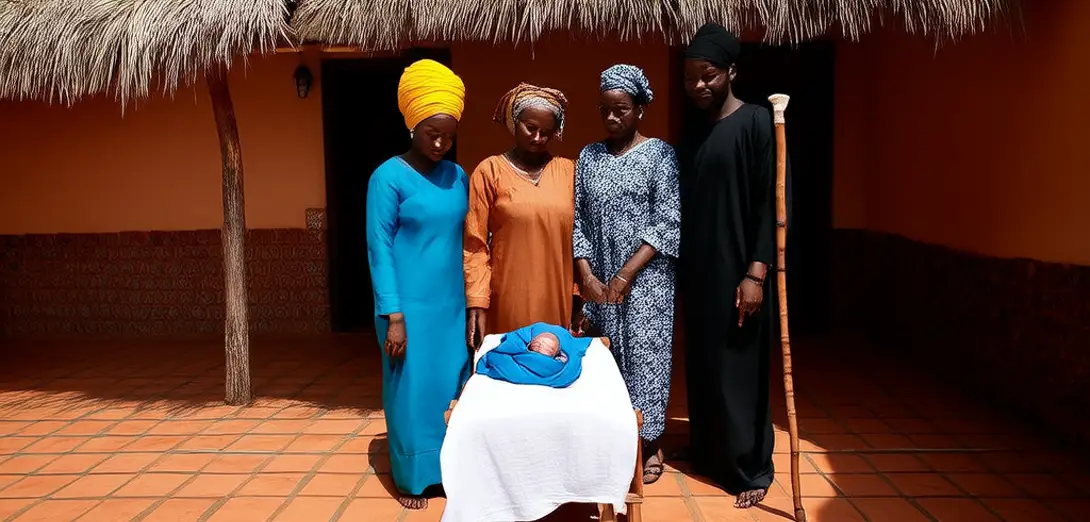
Yoruba Naming Rituals in Lagos: Identity as Communal Archive
拉各斯约鲁巴命名仪礼:身份作为社群档案
-
At a newborn’s naming ceremony in Surulere, the child receives four names—not chosen but retrieved: one from maternal lineage, two from paternal ancestors, one from community elders’ collective memory.在苏鲁勒举行的新生儿命名仪式上,孩子会获得四个名字——这些名字并非被选择,而是被‘取回’:一个来自母系,两个来自父系祖先,一个来自社区长老的集体记忆。
-
Each name carries embedded verbs—‘Adeola’ (crown arrives), ‘Boluwatife’ (God has given us wealth)—making identity grammatically active, not static label.每个名字都内嵌动词——如‘阿德奥拉’(王冠降临)、‘博卢瓦提菲’(神赐予我们财富)——使身份在语法上保持动态,而非静态标签。
-
Parents submit genealogical charts to village archivists who cross-reference oral histories with burial records, rejecting names that contradict documented kinship obligations.父母向村庄档案员提交家谱图,后者将口述史与墓葬记录交叉核对,剔除违背已载明亲属义务的名字。
-
When diaspora families request ‘modernized’ names, elders respond not with refusal but with counter-naming: assigning provisional names that encode migration narratives until reintegration occurs.当散居海外的家庭要求‘现代化’名字时,长老们并不拒绝,而是以‘反向命名’回应:先赋予临时名字,其中编码迁徙叙事,直至完成重新融入。
-
Naming committees include midwives, griots, and retired schoolteachers—not clergy—treating etymology as civic duty, not religious rite.命名委员会由助产士、格里奥(口头传统传承人)和退休教师组成,而非神职人员;词源学被视为公民责任,而非宗教仪轨。
-
Corporate HR departments in Lagos increasingly consult naming experts during leadership succession planning, interpreting executives’ names as predictive behavioral maps.拉各斯的公司人力资源部门在领导层继任规划中日益咨询命名专家,将高管姓名解读为预测其行为模式的地图。
-
Digital archives now store name-etymologies alongside audio recordings of naming speeches, treating phonetic shifts as historical evidence of social rupture or resilience.数字档案如今将姓名词源与命名演讲的音频录音一同保存,将语音变化视为社会断裂或韧性的历史证据。
-
The ritual concludes not with applause but with communal recitation of the child’s full name sequence—auditory anchoring of distributed memory.仪式不以掌声结束,而以众人齐声诵念孩子的完整姓名序列收尾——以听觉方式锚定分散的记忆。
-
Western legal systems struggle with Yoruba naming logic: a person may legally change surname but never first name, as it belongs to the lineage, not the individual.西方法律体系难以理解约鲁巴命名逻辑:一个人可依法更改姓氏,却永不可更改名字,因名字属于世系,而非个人。
-
When refugees reclaim names erased by colonial documentation, they don’t ‘choose’—they petition lineage councils for restoration, treating identity as recoverable archive.当难民试图恢复殖民档案中被抹去的名字时,他们并非‘选择’新名,而是向世系议事会申请复名,将身份视作可修复的档案。
-
This practice reframes naming not as personal expression but as custodial labor: every utterance of a name reaffirms intergenerational contract.这一实践将命名重新定义为托管劳动:每一次对名字的言说,都在重申代际契约。
-
Here, language doesn’t describe identity—it performs it, recursively, across time, sound, and communal witness.在此,语言并非描述身份,而是通过时间、声音与社群见证,反复施行身份。