正在确认阅读权限…
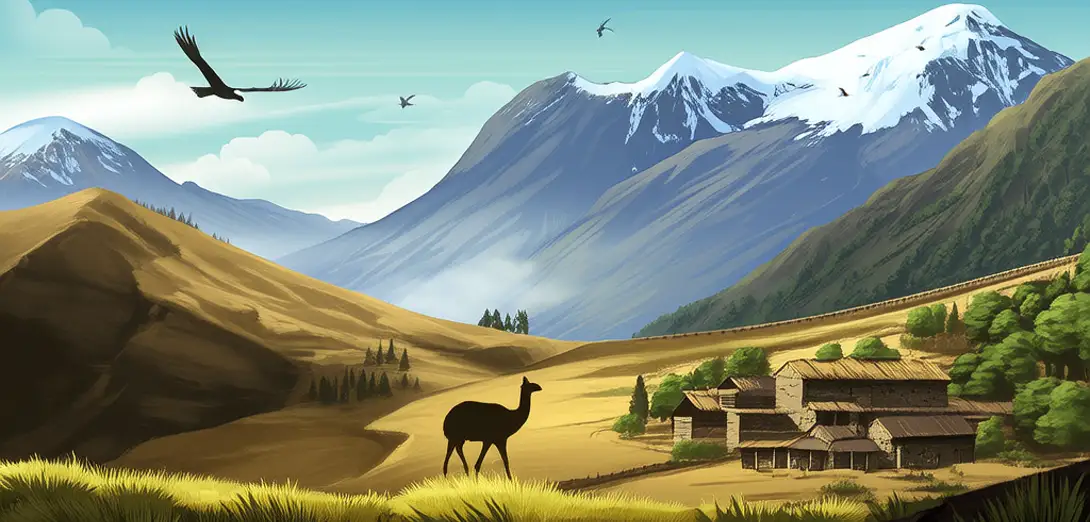
The Andes: Mountains That Shape Climate and Culture
安第斯山脉:塑造气候与文化的山系
-
Stretching over 7,000 km, the Andes form the longest continental mountain range on Earth.安第斯山脉绵延逾7000公里,是地球上最长的大陆山脉。
-
Their height forces moist air from the Amazon to rise, cool, and drop rain on eastern slopes.其海拔迫使来自亚马逊的湿润空气抬升、冷却,并在东坡形成降雨。
-
Western slopes face the Pacific’s cold Humboldt Current, creating fog deserts like the Atacama.西坡直面太平洋寒冷的洪堡寒流,造就了阿塔卡马等雾漠。
-
Terraced farming on steep slopes dates back to pre-Inca civilizations like the Tiwanaku.陡坡上的梯田耕作可追溯至蒂瓦纳库等印加前文明。
-
Glaciers feed major rivers such as the Santa and Mantaro, supplying water year-round.冰川滋养着圣塔河、曼塔罗河等主要河流,全年供水。
-
Rising temperatures have melted nearly 50% of tropical Andean glaciers since 1980.自1980年以来,热带安第斯山脉冰川已消融近50%。
-
High-altitude cities like La Paz rely on glacial meltwater for drinking and hydropower.拉巴斯等高海拔城市依赖冰川融水供应饮用水和水力发电。
-
Quinoa and potatoes domesticated here thrive in thin, volcanic soils and intense UV light.藜麦与马铃薯在此驯化,适应贫瘠火山土与强烈紫外线。
-
Road construction across passes increases landslide risk during heavy rainfall events.穿越山口的道路建设加剧了强降雨期间的滑坡风险。
-
Indigenous Quechua and Aymara communities maintain ecological calendars tied to star positions.克丘亚与艾马拉等原住民社区沿用以星位为依据的生态历法。