正在确认阅读权限…
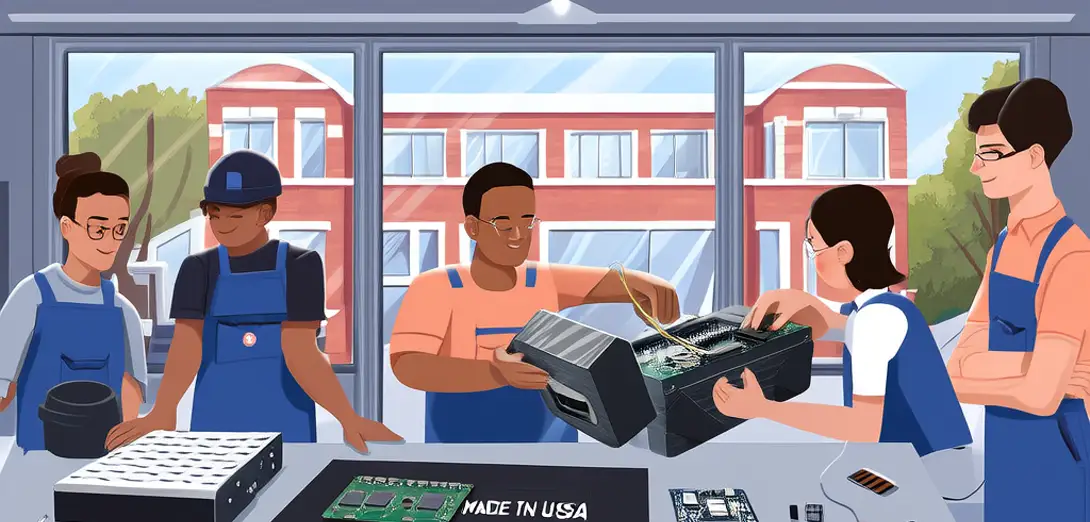
What ‘Made in USA’ Really Means Today
今天‘美国制造’究竟意味着什么?
-
A product labeled ‘Made in USA’ only needs final assembly and significant U.S. labor—or 75% U.S. content—to qualify legally.标有‘美国制造’的产品只需在美国完成最终组装并投入大量美国劳动力,或美国产成分达75%,即符合法律认定标准。
-
Your American-made sneakers likely contain rubber from Thailand, foam from Korea, and thread from India—then stitched in Georgia.你脚上那双‘美国制造’运动鞋,很可能橡胶来自泰国、泡沫材料来自韩国、缝线来自印度,最后在佐治亚州缝制而成。
-
Tariffs, shipping costs, and labor shortages push some factories to reshore parts of production—even if full return isn’t possible.关税、运费和劳动力短缺迫使部分工厂将部分生产回迁美国,即便无法实现全部回归。
-
Consumers increasingly value transparency: QR codes now show factory locations, worker wages, and material origins.消费者日益重视透明度:如今二维码可显示工厂位置、工人薪资及原材料来源。
-
Small-batch makers highlight local sourcing to stand out, while big brands use ‘USA’ branding mainly for trust—not origin accuracy.小批量制造商强调本地采购以凸显特色,而大品牌则主要利用‘美国制造’标签建立信任,而非确保产地真实准确。
-
Automation lets factories produce more with fewer workers, so ‘made here’ no longer guarantees local jobs as it once did.自动化让工厂以更少人力产出更多产品,因此‘本地制造’已不再像过去那样必然意味着本地就业。
-
Still, communities benefit from related services—logistics hubs, equipment repair shops, and technical-training programs.不过,相关服务业仍能惠及社区——如物流枢纽、设备维修店和技术培训项目。
-
‘Made in USA’ is less about purity and more about intention: where value is added, who benefits, and how responsibly it’s done.‘美国制造’的关键不在于产地纯粹性,而在于制造意图:价值在何处创造、谁从中受益、以及过程是否负责任。