正在确认阅读权限…
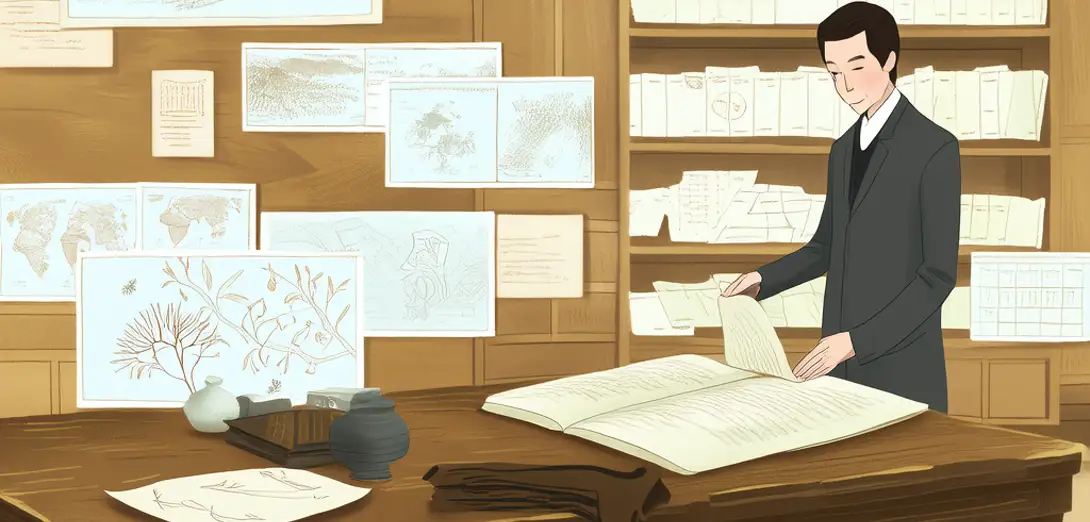
The Unfolding Archive: How Historians Reconstruct Lost Worlds
展开的档案:历史学家如何重建消逝的世界
-
Historical reconstruction is never a simple act of retrieval but an interpretive dialogue between fragmented evidence and evolving methodological frameworks.历史重建从来不是简单的史料复原,而是碎片化证据与不断演进的方法论框架之间的阐释性对话。
-
Archaeological strata, diplomatic correspondence, tax rolls, and even graffiti collectively form what historians call the 'unintended archive'.考古地层、外交信函、税册,甚至涂鸦,共同构成了史学家所称的‘非意图档案’。
-
Unlike legal or literary texts, these sources rarely state intentions—they require contextual triangulation across geography, chronology, and social role.与法律或文学文本不同,这些史料极少明示作者意图,需结合地理、年代与社会角色进行语境交叉印证。
-
Digital mapping now allows scholars to overlay plague mortality data with grain price fluctuations and monastic land records from fourteenth-century England.数字制图技术如今使学者得以将十四世纪英格兰的瘟疫死亡数据、粮价波动及修道院土地记录叠加分析。
-
Such synthesis reveals not just what happened, but how institutions adapted—or collapsed—under compound stress.此类综合分析揭示的不仅是事件本身,更是制度在多重压力下如何调适或崩溃。
-
A single merchant’s ledger from Genoa, for instance, can illuminate credit networks spanning Tunis, Bruges, and Alexandria.例如,一份热那亚商人的账簿,便能勾勒出横跨突尼斯、布鲁日与亚历山大的信贷网络。
-
Yet every reconstruction carries silences: enslaved laborers, illiterate peasants, and women’s informal economies rarely appear in official registers.然而每一次重建都伴随沉默:被奴役劳工、不识字的农民及女性非正式经济活动,在官方登记中几乎不见踪影。
-
Modern historians increasingly treat absence as data—not merely as loss, but as structural erasure shaped by power.当代史家日益将‘缺失’本身视为一种史料——它不只是信息遗失,更是权力塑造下的结构性抹除。
-
This approach transforms historiography from narrative recovery into critical epistemology.这一取径将史学从叙事复原转向批判性认识论。
-
It asks not only 'what do we know?' but 'why does this knowledge exist in this form—and whose interests does it serve?'它追问的不仅是‘我们知道了什么?’,更是‘为何知识以这种形态存在?又服务于谁的利益?’
-
Peer review in historical practice now includes scrutiny of source selection bias, not just factual accuracy.历史研究中的同行评议,如今不仅检验事实准确性,更审视史料选取的偏见。
-
Ultimately, history writing at this level functions less like storytelling and more like forensic cartography.归根结底,这一层面的历史写作,与其说是讲故事,不如说是法医式制图。