正在确认阅读权限…
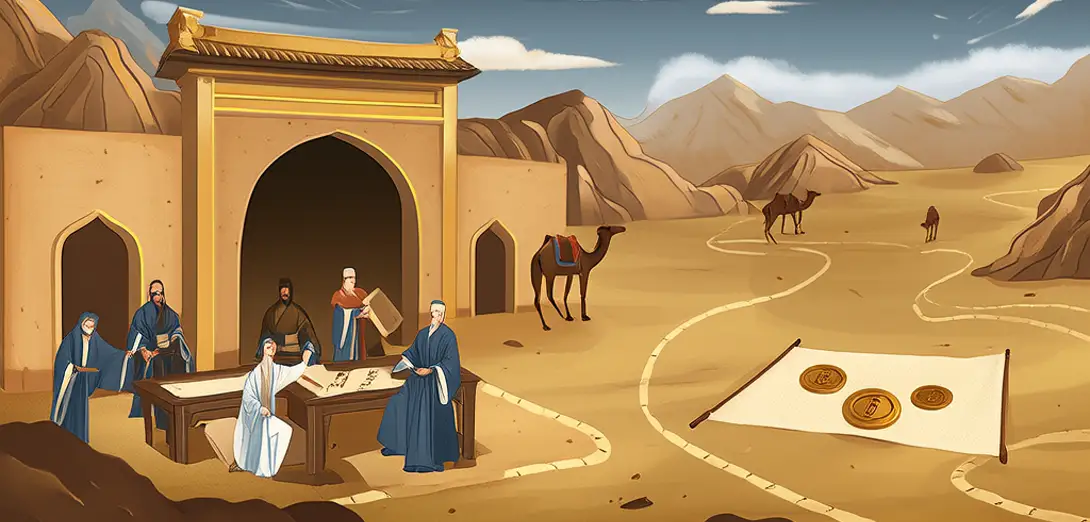
Silk Roads as Infrastructure: Beyond Trade and Exoticism
作为基础设施的丝绸之路:超越贸易与异域想象
-
The Silk Roads were not romantic caravan routes but coordinated logistical ecosystems sustained by relay stations, standardized weights, and bilingual scribes.丝绸之路并非浪漫的商队路线,而是依靠驿站、统一计量标准和双语文书官维系的协同物流生态系统。
-
From Dunhuang to Samarkand, post-house networks enabled imperial messengers to travel over 200 kilometers per day—faster than European couriers until the 18th century.从敦煌到撒马尔罕,邮驿网络使帝国信使日行逾200公里——直到18世纪前都快于欧洲信使。
-
These corridors carried smallpox and measles alongside silk, making disease transmission an unintended infrastructural effect.这些通道在运送丝绸的同时也传播了天花与麻疹,疾病传播成为基础设施运行的意外后果。
-
Military supply chains often drove road maintenance more than commercial demand—Tang garrisons in Central Asia rebuilt bridges primarily for troop mobility.道路维护更多由军事补给需求驱动,而非商业需求——唐朝在中亚的驻军重建桥梁主要为保障军队机动。
-
Currency convergence occurred gradually: Sogdian silver coins influenced Tang coinage design, while Byzantine solidi circulated in Sichuan markets.货币趋同是渐进过程:粟特银币影响了唐朝钱币设计,而拜占庭索利多金币则流通于四川市场。
-
Religious institutions acted as de facto logistics hubs—Buddhist monasteries offered lodging, translation, and dispute resolution for traveling merchants.宗教机构实际充当物流枢纽——佛教寺院为往来商人提供食宿、翻译与纠纷调解服务。
-
What modern maps depict as lines obscures the reality: most movement was short-haul, regional, and embedded in agrarian cycles.现代地图所标示的‘线路’掩盖了现实:多数人员流动属短途、区域化,并嵌入农耕周期之中。
-
The 'road' metaphor itself reflects colonial-era scholarship that privileged long-distance elite exchange over localized reciprocity.‘道路’这一隐喻本身反映了殖民时代学术倾向:强调远距离精英交换,忽视本地互惠关系。
-
Recent excavations near Turfan show Uyghur farmers using Persian irrigation techniques adapted from Abbasid engineers two centuries earlier.吐鲁番附近新近考古发现显示,维吾尔农民早在两个世纪前便已采用阿拔斯王朝工程师改良的波斯灌溉技术。
-
Infrastructure here meant shared technical knowledge—not just physical paths—but protocols for trust, measurement, and conflict mediation.此处的‘基础设施’指共享的技术知识——不仅是实体路径,更包括信任机制、计量标准与冲突调解规程。
-
Even linguistic borrowing followed infrastructure logic: Turkic terms for ‘customs duty’ entered Mongol administrative lexicons during Yuan governance.甚至语言借用也遵循基础设施逻辑:元朝治理时期,突厥语‘关税’一词进入蒙古行政词汇。
-
To study the Silk Roads today is to examine how interdependence becomes materialized across empires without formal treaties.今日研究丝绸之路,即是考察无正式条约的帝国间如何将相互依存具象化为物质实践。