正在确认阅读权限…
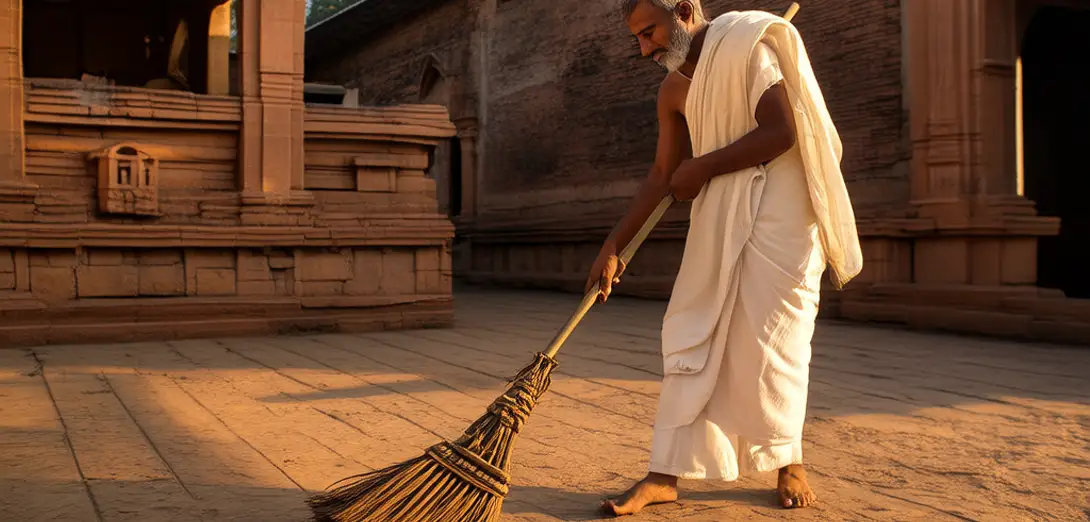
Dust Protocol: Ashram Floor-Sweeping as Temporal Governance in Tamil Nadu’s Ramanathapuram District
尘仪:泰米尔纳德邦拉马纳塔普拉姆地区修道院扫地仪式作为时间治理术
-
In Ramanathapuram’s 18th-century Vaishnava ashrams, floor sweeping isn’t hygiene—it’s temporal calibration, performed with neem-broom bristles cut only during waning moon phases.在拉马纳塔普拉姆18世纪的毗湿奴派修道院中,扫地并非为了清洁,而是时间校准——所用苦楝枝条扫帚仅在月相亏缺期砍伐。
-
Each sweep pattern encodes agricultural cycles, monsoon forecasts, and debt repayment deadlines, transforming dust motes into moving calendars visible only to trained eyes.每种扫地轨迹都暗含农时周期、雨季预测与债务偿还期限,使浮尘化作仅内行可见的流动日历。
-
British revenue officers in 1852 banned ‘superstitious broom rituals’, replacing them with printed tax calendars—prompting ashrams to weave fiscal dates into broom-handle carvings instead.1852年,英国税务官员以‘迷信扫帚仪式’为由取缔该习俗,代之以印刷税历;修道院遂将财政日期刻入扫帚柄中。
-
The rhythm of sweeping—three strokes north, two east—mirrors temple bell sequences used to mark judicial sessions in pre-colonial panchayats.扫地节奏——三下向北、两下向东——呼应着前殖民时期村议会司法会议所用的寺庙钟声序列。
-
Modern land records now include ‘dust protocol annotations’: surveyors must note whether soil disturbance occurred before or after the annual monsoon sweep to establish occupancy legitimacy.如今的地籍档案须标注‘尘土规程’:测量员须记录土壤扰动发生于年度雨季清扫之前或之后,以确认实际占有权。
-
Conservationists discovered that broom bristle wear patterns correlate precisely with regional drought frequency—making floors unintentional climate archives.保护工作者发现,扫帚刷毛磨损模式与区域干旱频次精确对应,使地面无意间成为气候档案。
-
Elders still resolve inheritance disputes by comparing sweep trajectories across adjacent courtyards, treating dust displacement as evidentiary trace of moral alignment.长者仍通过比对相邻庭院的扫地轨迹来裁决遗产纠纷,视尘土位移为道德立场的实证痕迹。
-
Unlike digital timestamps, this protocol embeds time in friction: the sound of bristles on laterite stone changes with humidity, signaling seasonal transitions.不同于数字时间戳,此规程将时间嵌入摩擦之中:刷毛刮过红土石板的声音随湿度变化,昭示季节更迭。
-
When cyclones disrupt sweeping schedules, ashrams convene emergency councils—not to reschedule, but to reinterpret dust accumulation as divine commentary on governance failure.当气旋打乱清扫日程,修道院即召开紧急会议——非为重新排期,而是将积尘解读为神明对治理失灵的评注。
-
Academic studies confirm lower crop-yield disputes in villages where ashram sweeping protocols remain intact, suggesting embodied timekeeping reduces temporal uncertainty.学术研究证实,在修道院清扫规程保存完好的村庄,农作物产量纠纷显著减少,表明具身化的时间计量可降低时间不确定性。
-
The broom itself is never replaced whole: worn bristles are reinserted into new handles, making each tool a palimpsest of generational labor.扫帚从不整体更换:磨损刷毛被嵌入新柄,使每把工具都成为世代劳作的重写本。
-
This practice treats time not as linear metric but as accumulated residue—governed not by clocks but by what settles, shifts, and persists in plain sight.此实践不将时间视为线性度量,而视作累积的残余——其运行不由钟表主宰,而由眼前沉降、移动与存续之物决定。