正在确认阅读权限…
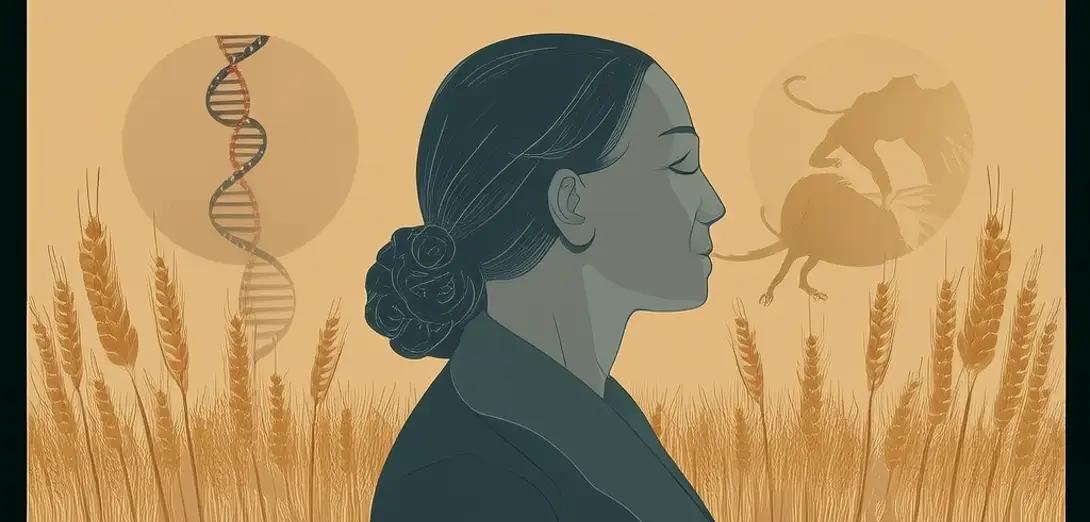
How Epigenetic Modifications Mediate Transgenerational Responses to Environmental Stress
表观遗传修饰如何介导环境压力的跨代响应?
-
Environmental stressors—including famine, toxins, and psychosocial trauma—induce DNA methylation and histone modifications that alter gene expression without changing nucleotide sequences.环境压力源——包括饥荒、毒素和心理社会创伤——会引发DNA甲基化和组蛋白修饰,从而在不改变核苷酸序列的情况下调控基因表达。
-
These marks can escape epigenetic reprogramming during gametogenesis and early embryogenesis, transmitting phenotypic effects to offspring.这些表观遗传标记可能在配子形成和早期胚胎发育的表观重编程过程中逃逸,将表型效应传递给后代。
-
Dutch Hunger Winter cohort studies revealed increased metabolic disease incidence in grandchildren of women exposed to famine during pregnancy.荷兰饥荒冬季队列研究发现,孕期经历饥荒的女性,其孙辈代谢性疾病发病率升高。
-
Rodent experiments demonstrate paternal exposure to endocrine disruptors altering sperm miRNA profiles and offspring neurodevelopment.啮齿类动物实验证明,父代接触内分泌干扰物可改变精子miRNA谱,进而影响子代神经发育。
-
Human epidemiological data show correlation—but not yet causation—between grandparental smoking and grandchild asthma prevalence.人类流行病学数据显示,祖父母吸烟与孙辈哮喘患病率存在相关性,但尚未证实因果关系。
-
CRISPR-based epigenome editing tools now allow targeted erasure or installation of methyl groups to test functional consequences.基于CRISPR的表观基因组编辑工具现已能靶向擦除或添加甲基基团,以检验其功能后果。
-
Ethical frameworks for longitudinal biobanks increasingly include consent provisions addressing potential intergenerational data implications.面向长期生物样本库的伦理框架日益纳入知情同意条款,明确涉及跨代数据影响的潜在问题。
-
Clinical oncology monitors therapy-induced epigenetic drift in survivor cohorts, assessing whether treatment effects propagate to subsequent generations.临床肿瘤学在幸存者队列中监测治疗诱导的表观遗传漂移,评估治疗效应是否会延续至下一代。
-
Evolutionary biologists debate whether such inheritance constitutes Lamarckian adaptation or merely developmental noise filtered by selection.进化生物学家就此类遗传是否属于拉马克式适应,抑或仅为经自然选择过滤的发育噪声,尚存争议。
-
Public health interventions now consider epigenetic vulnerability windows—such as preconception periods—as critical leverage points.公共卫生干预措施如今将表观遗传易感窗口期——例如孕前阶段——视为关键干预节点。
-
Legal systems face novel questions regarding liability for transgenerational harm from industrial pollutants or occupational exposures.法律体系面临新挑战:如何界定工业污染物或职业暴露所致跨代损害的责任归属。
-
Understanding this layer of regulation compels us to expand definitions of environmental justice beyond individual lifespan boundaries.理解这一调控层面,迫使我们将环境正义的定义拓展至个体生命时限之外。