正在确认阅读权限…
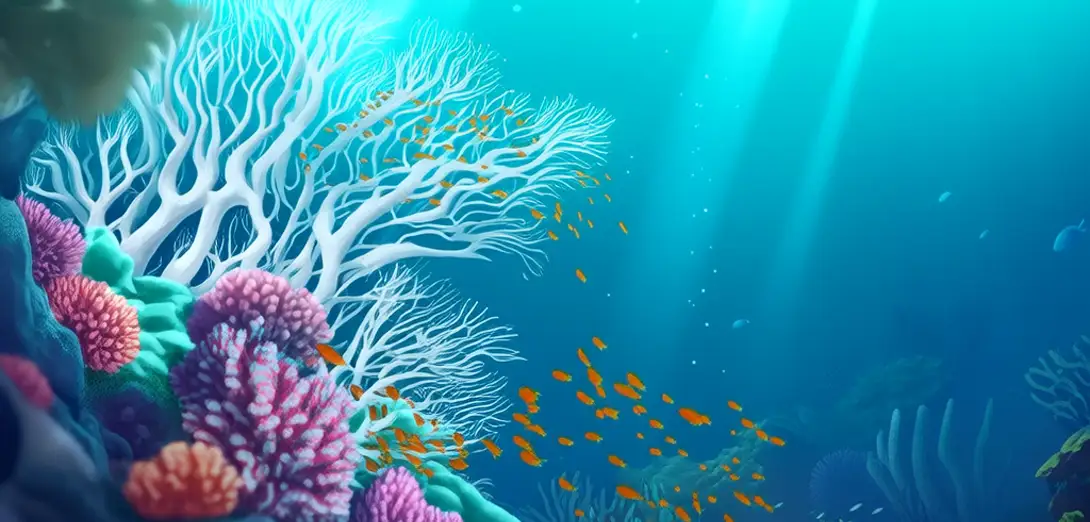
Why Coral Bleaching Occurs Even Without Elevated Sea Temperatures
为何珊瑚白化可在海温未升高时发生?
-
Coral bleaching stems primarily from dysbiosis between coral hosts and symbiotic dinoflagellates (Symbiodiniaceae), not temperature alone.珊瑚白化主要源于珊瑚宿主与共生甲藻(Symbiodiniaceae)之间的菌群失调,而非单纯由高温引起。
-
UV radiation, freshwater influx from heavy rainfall, and nutrient pollution induce oxidative stress that triggers symbiont expulsion.紫外线辐射、强降雨带来的淡水输入以及营养盐污染会引发氧化应激,导致共生藻排出。
-
Cold-water bleaching events—like those off Western Australia in 2010—result from anomalous upwelling of deep, nutrient-rich, low-pH water.冷水白化事件——例如2010年西澳大利亚海域发生的事件——源于异常的深层涌升流,带来富含营养、pH偏低的海水。
-
Pathogen outbreaks, including Vibrio shiloi infections, compromise coral immune responses independently of thermal thresholds.病原体暴发(如希氏弧菌感染)可独立于热阈值,削弱珊瑚免疫反应。
-
High-light stress combined with low flow rates elevates reactive oxygen species production faster than antioxidant systems can neutralize.强光胁迫叠加低水流速率,使活性氧生成速度超过抗氧化系统清除能力。
-
Genomic studies identify allelic variation in coral heat-shock proteins and symbiont photochemical quenching efficiency as key resilience determinants.基因组研究发现,珊瑚热休克蛋白等位变异及共生藻光化学淬灭效率是决定恢复力的关键因素。
-
Restoration programs now prioritize genotypes with broad-spectrum stress tolerance rather than thermal-only metrics.当前修复项目优先选择广谱抗逆基因型,而非仅依据耐热性指标。
-
Satellite ocean color algorithms detect chlorophyll anomalies preceding visible bleaching—providing early warning beyond sea surface temperature alerts.卫星海洋颜色算法可通过叶绿素异常变化,在肉眼可见白化前发出预警,弥补海表温度预警的不足。
-
Fisheries management integrates bleaching vulnerability indices into marine protected area zoning decisions.渔业管理将白化脆弱性指数纳入海洋保护区划区决策。
-
Acidification impairs calcification but also alters symbiont community composition, weakening thermal buffering capacity synergistically.海洋酸化不仅抑制钙化,还改变共生藻群落组成,协同削弱其对高温的缓冲能力。
-
Indigenous knowledge systems document non-thermal bleaching cues—such as altered fish behavior or plankton blooms—validating multidimensional monitoring.原住民知识体系记录了非热源白化征兆——如鱼类行为异常或浮游生物暴发——印证了多维度监测的有效性。
-
This complexity demands adaptive governance: static temperature thresholds fail to capture ecological reality across diverse reef biogeographies.这种复杂性要求适应性治理:静态温度阈值无法真实反映不同珊瑚礁地理区域的生态现实。