正在确认阅读权限…
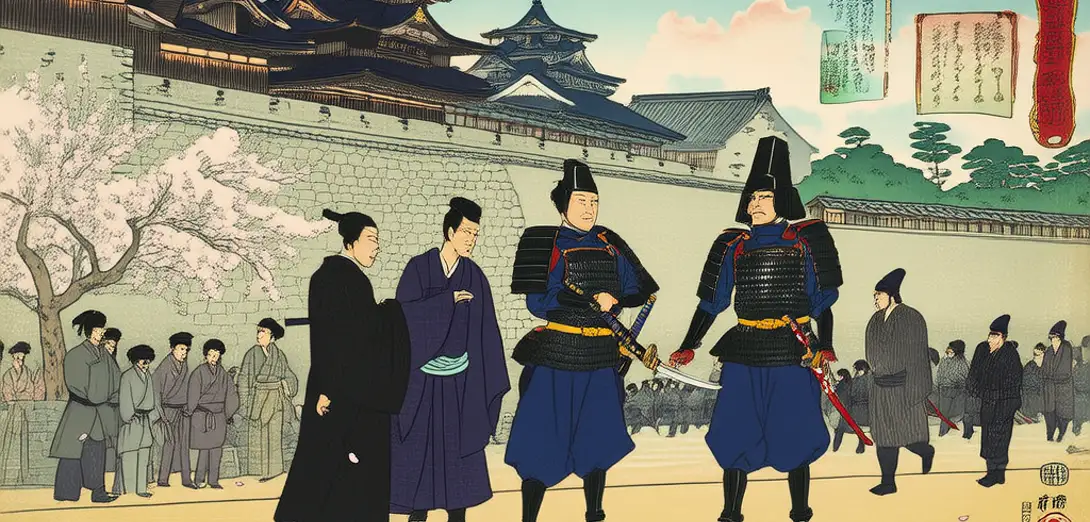
Batch 0020-024: Tokugawa Shogunate and Japan’s Controlled Isolation
批次0020-024:德川幕府与日本的有限锁国政策
-
After unifying Japan in 1603, the Tokugawa shoguns established a strict feudal hierarchy and centralized control.1603年统一日本后,德川幕府确立了严格的封建等级制度和中央集权。
-
They banned most foreign contact but allowed limited Dutch and Chinese trade through Nagasaki’s Dejima island.他们禁止绝大多数对外交往,但允许荷兰和中国商人通过长崎出岛进行有限贸易。
-
Christian missionaries were expelled, and Japanese citizens were forbidden from traveling abroad under penalty of death.基督教传教士被驱逐,日本民众出国旅行被严禁,违者处死。
-
Domestic peace and stable rice-based taxation supported urban growth and merchant-class culture in Edo.国内和平与以稻米为基础的稳定税收,推动了江户的城市发展和町人文化繁荣。
-
Kabuki theater, woodblock printing, and haiku poetry thrived despite external isolation.尽管对外封闭,歌舞伎、浮世绘和俳句仍蓬勃发展。
-
Dutch texts on medicine and astronomy entered Japan through Nagasaki, sparking ‘Rangaku’ (Dutch learning).荷兰的医学与天文学著作经由长崎传入日本,催生了“兰学”。
-
This selective openness let Japan absorb useful knowledge without undermining social order or religious orthodoxy.这种有选择的开放使日本得以吸收实用知识,又不破坏社会秩序与宗教正统。
-
The shogunate’s policies delayed Western colonization but also created tensions when U.S. ships arrived in 1853.幕府政策延缓了西方殖民,却也在1853年美国军舰抵达时埋下矛盾。
-
Internal pressures and external demands eventually forced Japan to open in the 1860s and modernize rapidly.内外压力最终迫使日本于1860年代开国并迅速实现现代化。
-
Historians view Tokugawa isolation not as withdrawal, but as strategic management of global interdependence.史学家认为德川时代的闭关并非退缩,而是对全球相互依存关系的战略管控。