正在确认阅读权限…
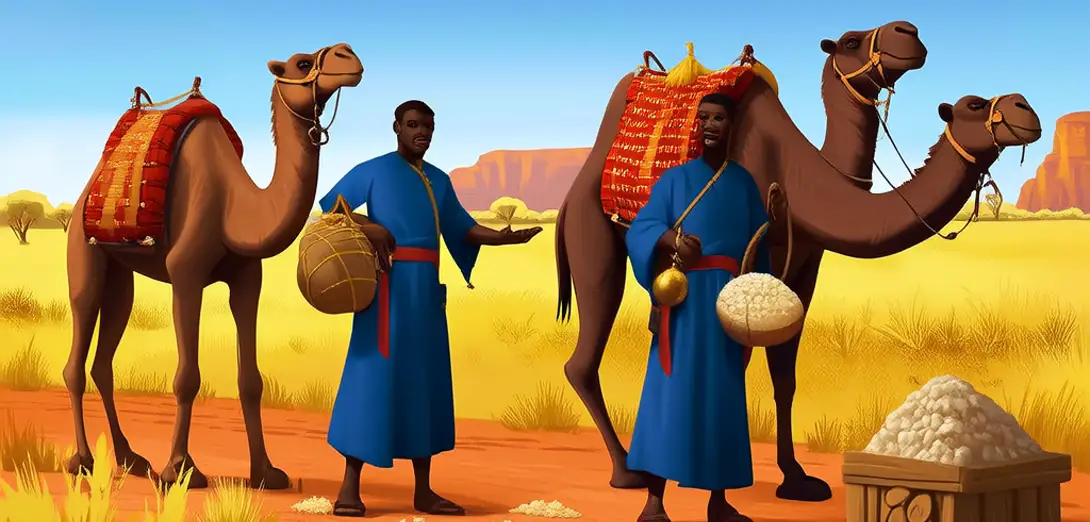
Batch 0020-013: The Mali Empire and Trans-Saharan Gold-Salt Exchange
批次0020-013:马里帝国与跨撒哈拉黄金—食盐贸易
-
From the 13th to 15th centuries, the Mali Empire dominated West Africa’s Sahel region.13至15世纪,马里帝国主导西非萨赫勒地区。
-
Its wealth came largely from controlling gold mines in the south and salt deposits in the north.其财富主要来自控制南方的金矿和北方的盐矿。
-
Camel caravans crossed harsh deserts carrying salt south and gold north along fixed trade routes.骆驼商队沿固定商路穿越严酷沙漠,南运食盐、北运黄金。
-
Mansa Musa’s famous pilgrimage to Mecca in 1324 displayed Mali’s riches and strengthened diplomatic ties.1324年曼萨·穆萨赴麦加朝圣,彰显马里富庶并强化外交关系。
-
Timbuktu grew into a major center of Islamic scholarship thanks to trade-generated prosperity.廷巴克图因贸易带来的繁荣发展为伊斯兰学术重镇。
-
Qur’anic schools and libraries attracted students from across the Muslim world and beyond.《古兰经》学校与图书馆吸引着来自整个穆斯林世界乃至更远地区的学子。
-
Local rulers adopted Islam while preserving indigenous governance customs and oral histories.地方统治者皈依伊斯兰教,同时保留本土治理传统与口述历史。
-
Arabic writing enabled administrative records, legal contracts, and chronicles like the Tarikh al-Sudan.阿拉伯文字被用于行政记录、法律契约及《苏丹史》等编年史写作。
-
European maps began showing West African kingdoms only after Portuguese explorers heard reports from Saharan traders.欧洲地图仅在葡萄牙探险家听闻撒哈拉商人报告后,才开始标注西非王国。
-
This network linked sub-Saharan Africa deeply into Afro-Eurasian economic and intellectual systems.这一网络将撒哈拉以南非洲深度融入亚非欧经济与知识体系。