正在确认阅读权限…
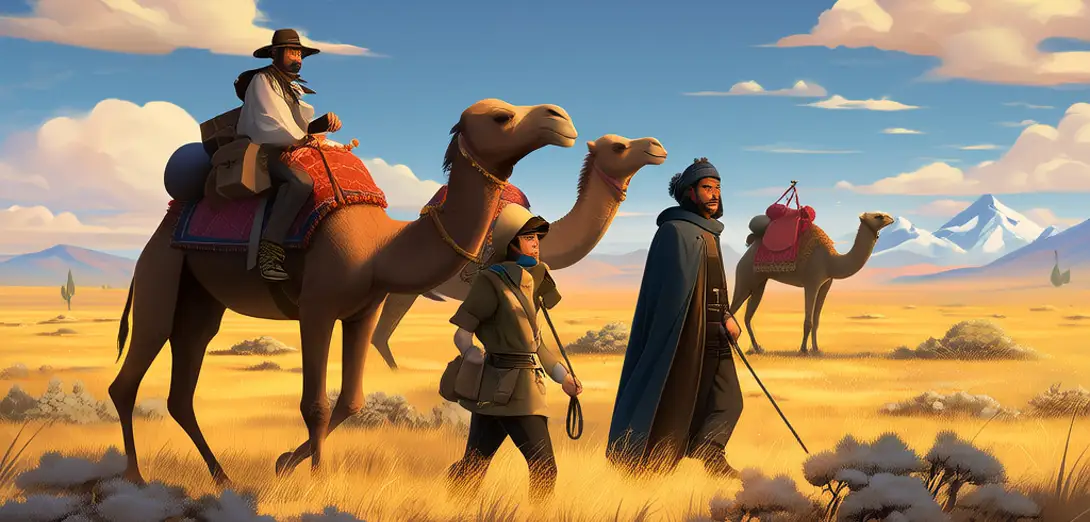
Silk Roads: Trade, Faith, and Ideas Across Eurasia
丝绸之路:欧亚大陆上的贸易、信仰与思想之路
-
From around 130 BCE, caravan routes linked China with the Mediterranean world.约公元前130年起,商队路线将中国与地中海世界连接起来。
-
Merchants carried silk, spices, glassware, horses, and paper across deserts and mountains.商人穿越沙漠与高山,运送丝绸、香料、玻璃器皿、马匹和纸张。
-
Buddhism traveled west from India, while Christianity and Islam spread east along these paths.佛教自印度西传,基督教与伊斯兰教则沿这些路径东渐。
-
Cities like Samarkand and Dunhuang grew rich by hosting travelers, translators, and monks.撒马尔罕、敦煌等城市因接待旅人、译者与僧侣而日益繁荣。
-
Disease sometimes moved too—plague reached Europe via these same routes centuries later.疾病有时也随之路传播——数百年后,瘟疫正是经由这些路线传入欧洲。
-
No single ruler controlled the whole network; local kingdoms protected sections for taxes and safety.整条网络从未由单一统治者掌控;各地王国负责守卫各自路段,以征税并保障安全。
-
Maps were rare, so traders relied on stars, landmarks, and trusted guides to navigate.地图极为稀少,商旅主要依靠星辰、地标及值得信赖的向导辨识方向。
-
The Silk Roads proved that exchange—not just conquest—could shape civilizations deeply.丝绸之路证明:交流——而不仅是征服——亦能深刻塑造文明。