正在确认阅读权限…
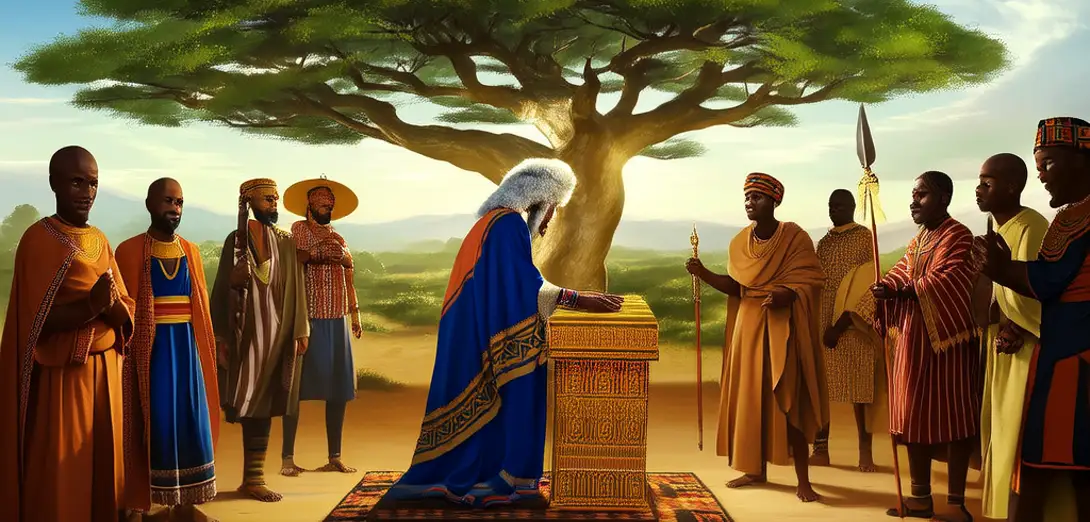
Batch 0020-050: The Ashanti Confederacy and the Gold-Driven Political Economy of West Africa
批次0020-050:阿坎特邦联与西非以黄金驱动的政治经济体系
-
Emerging in the 17th century, the Ashanti Confederacy united Akan-speaking states under the Golden Stool’s symbolic authority.阿散蒂联邦于17世纪兴起,以‘金凳子’的象征权威统一了说阿坎语的各邦。
-
Its wealth derived from gold mines in the forest zone and strategic control over trade routes to European coastal forts.其财富源于森林地带的金矿及对通往欧洲沿海要塞贸易路线的战略控制。
-
The Asantehene king governed through councils of elders and provincial chiefs who pledged allegiance and tribute.阿桑特赫内国王通过效忠并纳贡的长老议事会与地方酋长实施统治。
-
Gold dust served as currency, measured with brass weights depicting proverbs that encoded social values.黄金粉末充当货币,用刻有谚语的黄铜砝码称量,谚语承载社会价值观。
-
European demand for gold and later slaves intensified internal warfare but also strengthened centralized command structures.欧洲对黄金及后来对奴隶的需求加剧了内部战争,却也强化了中央集权指挥体系。
-
The Confederacy resisted British colonization for nearly a century through disciplined armies and diplomatic maneuvering.该联邦凭借纪律严明的军队和灵活外交,抵抗英国殖民近一个世纪。
-
Even after annexation in 1901, the Golden Stool remained a focus of cultural resistance and legal recognition.即便1901年被吞并后,‘金凳子’仍是文化抵抗与法律承认的核心象征。
-
Ashanti administration blended ancestral veneration with merit-based military promotion and record-keeping.阿散蒂行政体系融合祖先崇拜、凭功绩晋升的军事制度及系统化文书记录。
-
Its success revealed how indigenous institutions adapted global commodity flows without surrendering political logic.其成功表明,本土制度如何在不放弃政治逻辑的前提下适应全球商品流动。
-
The confederacy’s endurance underscores African agency in shaping Atlantic-era power dynamics.该联邦的持久存在凸显了非洲人在塑造大西洋时代权力格局中的主体性。