正在确认阅读权限…
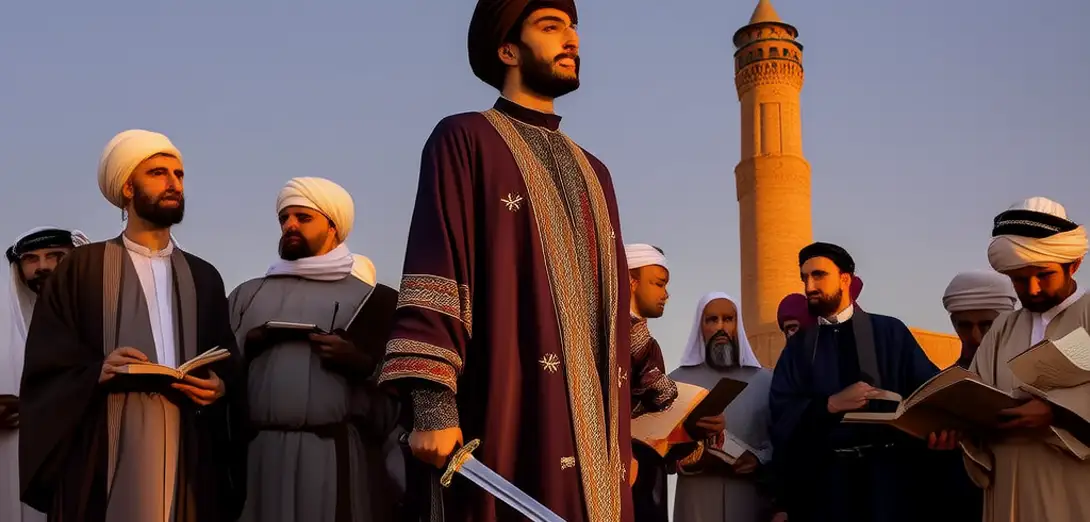
Batch 0020-020: The Safavid Dynasty and the Institutionalization of Twelver Shi’ism in Persia
批次0020-020:萨法维王朝与十二伊玛目什叶派在波斯的制度化
-
In 1501, Shah Ismail declared Twelver Shi’ism the official religion of the Safavid Empire to distinguish Persia from Sunni Ottomans.1501年,沙阿·伊斯梅尔宣布十二伊玛目派什叶派为萨法维帝国官方宗教,以区别于逊尼派的奥斯曼帝国。
-
The state funded madrasas, appointed Shia jurists as judges, and mandated public cursing of the first three caliphs.国家资助经学院,任命什叶派教法学家为法官,并强制公众诅咒前三任哈里发。
-
Royal patronage transformed shrine cities like Qom and Mashhad into centers of theological training and pilgrimage.王室赞助使库姆、马什哈德等圣城转变为神学教育与朝圣中心。
-
Safavid rulers claimed descent from the Prophet Muhammad’s family to legitimize their religious authority.萨法维统治者宣称自己是先知穆罕默德家族后裔,以确立其宗教权威。
-
This policy provoked Ottoman hostility but unified Persian identity around a distinct doctrinal framework.这一政策激化了与奥斯曼帝国的敌对,却以独特教义框架凝聚了波斯认同。
-
Non-Shia minorities paid jizya taxes but retained communal autonomy under state oversight.非什叶派少数群体缴纳吉兹亚税,但在国家监督下保留社群自治权。
-
Shia jurisprudence increasingly guided civil law, inheritance rules, and marriage contracts across the realm.什叶派教法学日益主导全国民事法、继承规则与婚姻契约。
-
The dynasty’s fall in 1736 did not reverse Shi’ism’s entrenchment—it had become inseparable from Iranian statehood.1736年王朝覆灭并未动摇什叶派根基——它已与伊朗国家身份密不可分。
-
Religious institutions thus evolved from spiritual guides into pillars of bureaucratic administration.宗教机构由此从精神导师演变为官僚行政的支柱。
-
The Safavid model showed how theology could anchor imperial cohesion without relying solely on ethnicity or language.萨法维模式表明,神学可成为帝国凝聚力的核心,无需依赖单一民族或语言。