正在确认阅读权限…
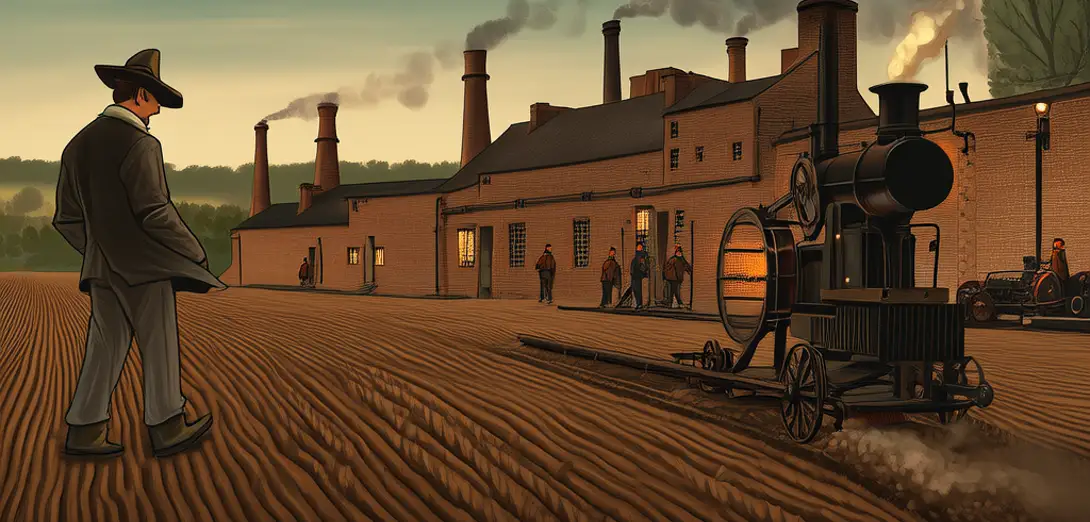
Industrial Revolution: Steam, Factories, and Changing Lives
工业革命:蒸汽动力、工厂制度与生活变迁
-
Starting in late-18th-century Britain, machines powered by steam replaced hand tools and animal labor.18世纪末,英国开始用蒸汽动力机器取代手工工具和畜力。
-
Cotton mills, ironworks, and railroads transformed production, transport, and daily routines forever.棉纺厂、铁工厂和铁路永久性地改变了生产、运输和日常生活。
-
Cities swelled as rural families moved for factory jobs—often long hours, low pay, and dangerous conditions.农村家庭为进厂务工涌向城市,导致城市人口激增——工作时间长、工资低、环境危险。
-
Children worked alongside adults until laws gradually raised minimum ages and limited working hours.儿童与成人一同劳作,直至法律逐步提高最低就业年龄并限制工时。
-
New social classes emerged: wealthy industrialists, a growing middle class of managers and clerks, and urban workers.新兴社会阶层出现:富有的实业家、日益壮大的经理与职员中产阶级,以及城市工人。
-
Pollution darkened skies and rivers, prompting early environmental awareness and public health reforms.污染使天空和河流变暗,催生了早期环保意识与公共卫生改革。
-
Workers formed unions to demand safer spaces, fair wages, and voting rights—slowly winning real change.工人组建工会,要求更安全的工作环境、公平薪酬和投票权,逐步赢得切实改变。
-
This era taught the world that technology reshapes not just tools, but time, space, and human relationships.这一时代让世人明白:技术不仅重塑工具,更重塑时间、空间与人际关系。