正在确认阅读权限…
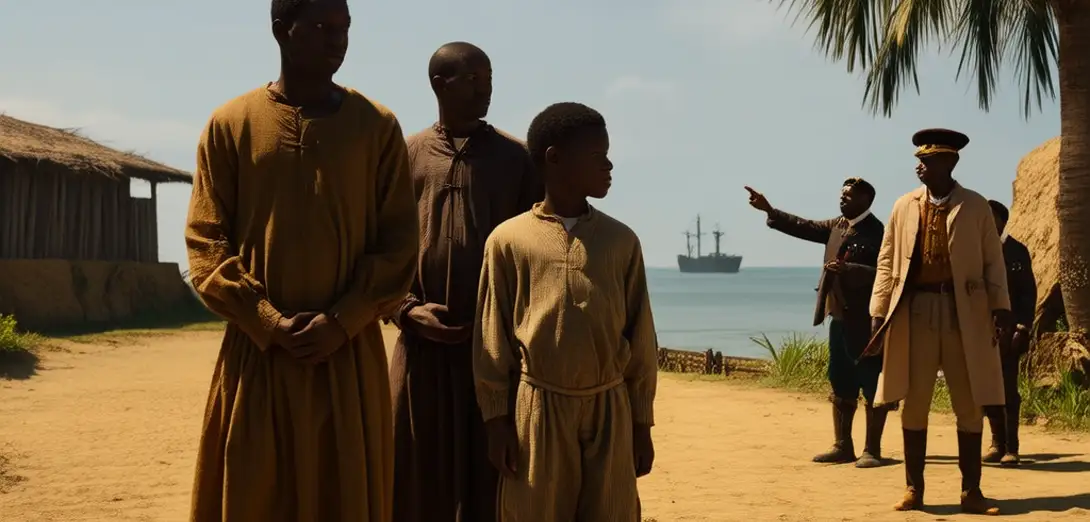
Atlantic Slave Trade: Forced Journeys and Enduring Legacies
跨大西洋奴隶贸易:被迫的航程与持久的遗产
-
From the 15th to 19th centuries, European traders captured or bought millions of Africans for plantations.15至19世纪,欧洲商人掳掠或购买数百万非洲人运往种植园。
-
The ‘Middle Passage’—the ocean crossing—lasted six to ten weeks under horrific, crowded conditions.‘中段航程’——横跨大西洋的航行——在极度恶劣、拥挤的条件下持续六到十周。
-
Many died from disease, starvation, or despair before reaching the Americas.许多人尚未抵达美洲,便已死于疾病、饥饿或绝望。
-
Enslaved people kept cultural practices alive—music, storytelling, food, and spiritual beliefs adapted and survived.被奴役者延续着自身文化实践:音乐、口述故事、饮食和精神信仰经调适后得以存续。
-
Resistance took many forms:逃跑, rebellion, secret education, and preserving family ties despite separation.反抗形式多样:逃亡、起义、秘密教育,以及在骨肉分离中竭力维系家庭纽带。
-
Abolition movements grew stronger in Britain and the US, led by formerly enslaved writers like Olaudah Equiano.废奴运动在英国和美国日益壮大,由奥劳达赫·埃奎亚诺等曾被奴役的作家领导。
-
Slavery officially ended in most places by 1888, but racism and inequality continued in new legal and economic forms.奴隶制至1888年已在多数地区正式终结,但种族主义与不平等以新的法律和经济形式延续。
-
Today, historians, museums, and schools work to tell full stories—not just of suffering, but of resilience and change.如今,历史学者、博物馆与学校致力于讲述完整的历史——不仅关乎苦难,更关乎韧性与变革。