正在确认阅读权限…
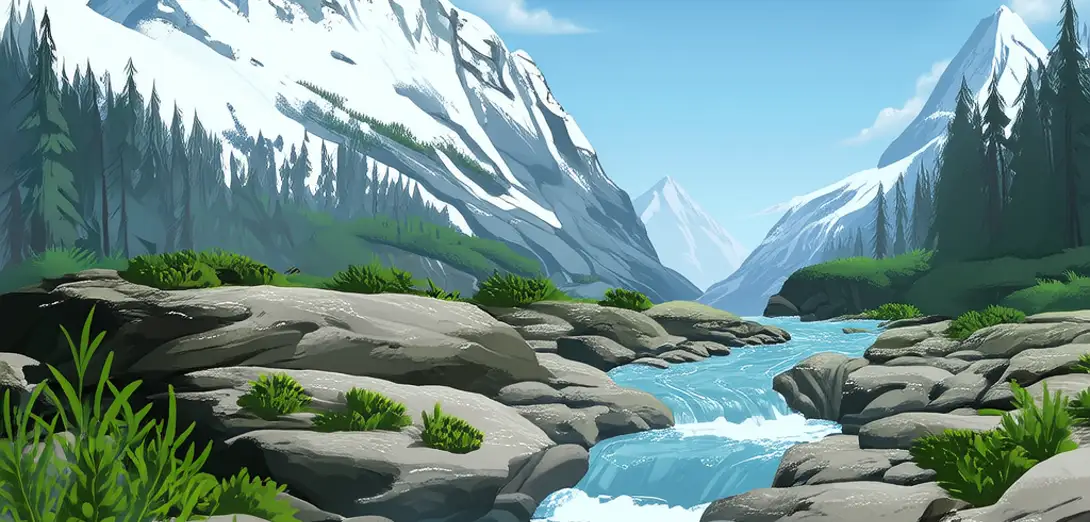
The River’s Journey: From Mountain Spring to Ocean Delta
河流的旅程:从高山泉源到海洋三角洲
-
Every river begins as a tiny trickle of meltwater or rain high in the mountains.每条河流都始于高山上的融雪或雨水形成的细小溪流。
-
Gravity pulls this water downhill, gradually gathering more flow from tributaries and groundwater.重力将水流引向低处,并逐渐汇集支流和地下水,流量随之增大。
-
As the river moves across flatter land, it slows down and starts depositing silt and sand.当河流流经地势较平坦的区域时,流速减缓,开始沉积泥沙。
-
These deposits build up over centuries to form wide floodplains where rich soils support farming.这些沉积物历经数百年堆积,形成广阔的冲积平原,肥沃土壤支撑农业发展。
-
Near the sea, the river splits into many channels, creating a fan-shaped delta full of wetlands.临近入海口时,河流分岔成众多水道,形成扇形三角洲,遍布湿地。
-
Deltas are biologically rich but vulnerable to rising sea levels and upstream dam construction.三角洲生物多样性丰富,却易受海平面上升和上游建坝威胁。
-
The Nile, Ganges, and Mississippi all have massive deltas that feed millions of people.尼罗河、恒河与密西西比河均拥有庞大三角洲,供养数百万人口。
-
Human settlements often grow along rivers because they provide water, transport, and fertile land.人类聚落常沿河而建,因河流提供水源、运输通道和肥沃土地。
-
Yet pollution, over-extraction, and channelization threaten river health worldwide today.然而,污染、过度取水和河道渠化正威胁全球河流健康。
-
Understanding a river’s full journey helps us manage it sustainably for future generations.全面理解河流的完整历程,有助于我们为子孙后代可持续管理河流。