正在确认阅读权限…
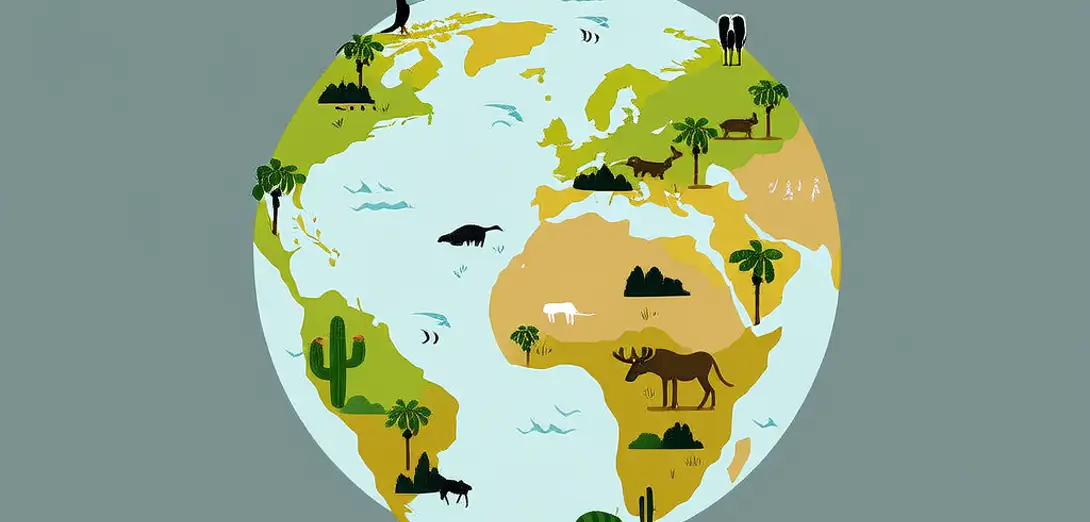
Climate Zones Shape Life: How Temperature and Rain Define Regions
气候带塑造生命:温度与降水如何定义地域
-
Earth’s climate zones form mainly because of uneven solar heating and atmospheric circulation.地球气候带的形成主要源于太阳辐射加热不均和大气环流。
-
Tropical zones near the equator stay warm year-round and receive heavy rainfall almost daily.赤道附近的热带全年温暖,几乎每天都有强降雨。
-
In contrast, deserts lie around 30° north and south where dry air sinks and blocks clouds.相比之下,南北纬30°左右的沙漠地区干燥空气下沉,抑制云层形成。
-
Temperate zones experience four distinct seasons due to shifting jet streams and frontal systems.温带因急流和锋面系统移动而呈现分明的四季。
-
Polar regions remain frozen most of the year because sunlight strikes at a very low angle.极地常年冰封,因为阳光以极低角度照射。
-
Each zone supports unique ecosystems—from rainforest canopies to tundra mosses and lichens.每个气候带孕育独特生态系统——从雨林树冠到苔原苔藓与地衣。
-
Climate also influences architecture, clothing, agriculture, and even cultural festivals around the world.气候还影响建筑、服饰、农业乃至全球各地的文化节日。
-
Farmers in Mediterranean climates grow olives and grapes during dry summers and mild winters.地中海气候区的农民在干燥夏季和温和冬季种植橄榄与葡萄。
-
Modern climate change is shifting these zones, pushing forests, insects, and diseases into new areas.当前气候变化正推动这些气候带迁移,使森林、昆虫与疾病向新区域扩散。
-
Mapping climate zones helps scientists predict how ecosystems and societies may adapt over time.绘制气候带图有助于科学家预测生态系统与社会的长期适应路径。