正在确认阅读权限…
Geographic Feedback Loops: How Land Use Changes Climate Locally
地理反馈回路:土地利用如何局部改变气候
-
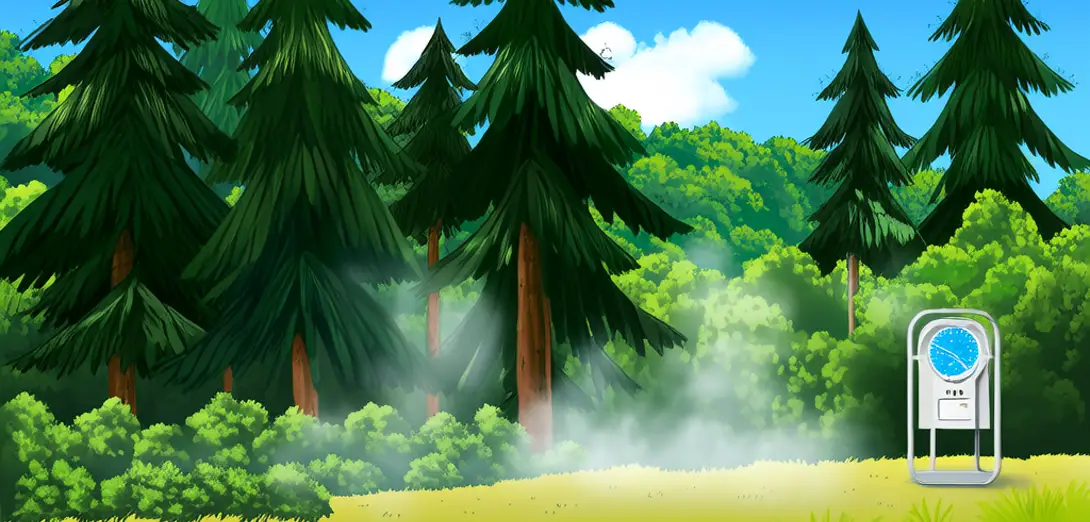
Forests absorb moisture and release it slowly, cooling nearby air through evapotranspiration.森林吸收水分并缓慢释放,通过蒸散作用冷却周边空气。
-
When forests are replaced by paved surfaces, heat builds up and alters local wind patterns.当森林被硬化地表取代时,热量积聚并改变局部风型。
-
Urban heat islands form where concrete and asphalt store solar energy overnight.城市热岛在混凝土和沥青夜间储存太阳能的区域形成。
-
This warming shifts rainfall timing and reduces dew formation in surrounding rural zones.这种升温改变了降雨时间,并减少了周边农村地区的露水凝结。
-
Wetlands drained for agriculture lower regional humidity and delay monsoon onset.为农业排干湿地会降低区域湿度,并推迟雨季来临。
-
Desert expansion often follows soil degradation, which further reduces precipitation retention capacity.土壤退化常导致沙漠扩张,进一步削弱降水滞留能力。
-
Glacier retreat exposes darker rock, accelerating melt through reduced albedo effect.冰川退缩暴露深色岩石,因反照率降低而加速融化。
-
Coastal mangrove loss weakens storm buffers while increasing saltwater intrusion inland.沿海红树林丧失既削弱风暴缓冲能力,又加剧海水向内陆入侵。
-
Each change triggers secondary effects that reshape microclimates across spatial gradients.每项变化都会引发次级效应,在空间梯度上重塑微气候。
-
Geographers map these loops to predict tipping points before irreversible thresholds are crossed.地理学家绘制这些反馈回路,以预测不可逆临界点到来之前的变化。