正在确认阅读权限…
Wind and Sun Power the Future: Geography Determines Renewable Potential
风与光驱动未来:地理决定可再生能源潜力
-
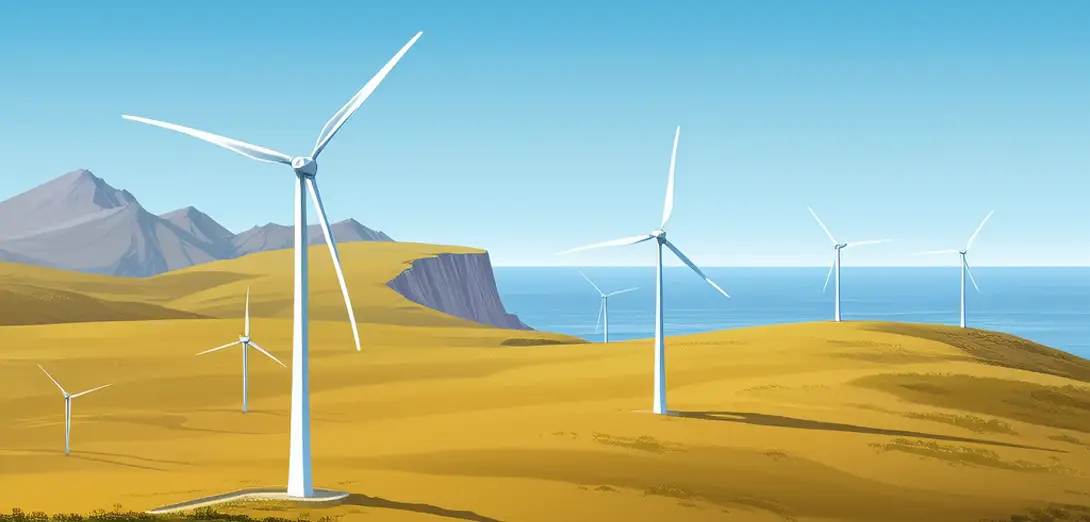
Wind farms perform best in open plains, coastal zones, and mountain passes where steady, strong winds blow year-round.风电场在开阔平原、沿海地带和山口等常年风力稳定强劲的地区表现最佳。
-
Solar panels generate more electricity per square meter in deserts like the Sahara than in cloudy northern Europe.太阳能电池板在撒哈拉等沙漠地区每平方米发电量,高于多云的北欧地区。
-
Norway’s steep fjords and abundant rainfall make hydropower its dominant clean energy source—over 95% of its electricity.挪威陡峭的峡湾和丰沛的降雨使其水电成为主导清洁能源——占其发电量95%以上。
-
Geothermal energy thrives where tectonic plates meet, such as Iceland, Kenya, and New Zealand’s volcanic zones.地热能在板块交界处(如冰岛、肯尼亚及新西兰火山带)最为丰富。
-
Transmission lines must cross long distances to bring wind power from the Great Plains to cities on the U.S. East Coast.输电线路需跨越长距离,将美国大平原的风电输送至东海岸城市。
-
Floating solar farms on reservoirs save land and reduce evaporation—now deployed in Japan, India, and Thailand.建于水库上的漂浮式光伏电站既节省土地又减少蒸发,目前已在日本、印度和泰国部署。
-
Seasonal mismatches exist: Germany produces surplus solar in summer but relies on imports during dark winter months.存在季节性错配:德国夏季光伏过剩,冬季阴暗期则依赖进口电力。
-
Community-owned wind cooperatives in Denmark and Scotland empower locals and increase public acceptance of renewables.丹麦和苏格兰的社区风电合作社赋予民众权力,提升公众对可再生能源的接受度。
-
AI-powered forecasting improves grid stability by predicting cloud cover and wind gusts hours ahead.人工智能驱动的预测技术可提前数小时预判云层覆盖与阵风,增强电网稳定性。
-
Harnessing renewable geography isn’t just technical—it demands fair policies, inclusive planning, and interregional cooperation.开发利用可再生能源地理优势,不仅关乎技术,更需公平政策、包容性规划与跨区域协作。