正在确认阅读权限…
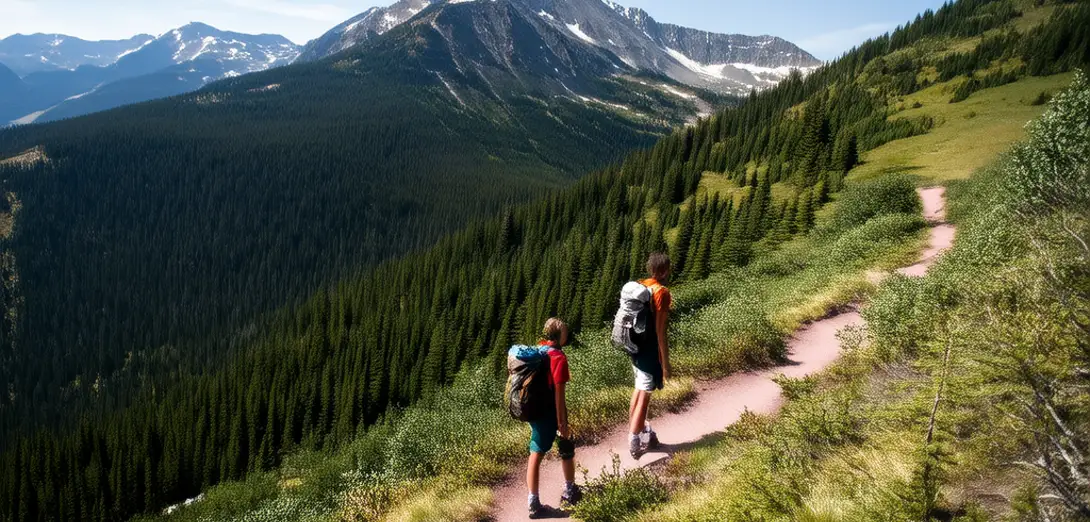
Altitudinal Zonation Revisited: Microclimates Across Vertical Gradients
垂直地带性再探:垂直梯度上的微气候
-
Every 1,000-meter rise cools air by roughly 6.5°C, shifting vegetation types predictably.海拔每升高1000米,气温约下降6.5°C,植被类型随之发生可预测的变化。
-
Cloud forests form at elevations where persistent mist condenses on leaf surfaces daily.云雾林形成于常年晨雾每日在叶片表面凝结的海拔高度。
-
Alpine meadows host specialized plants that flower rapidly during brief snow-free windows.高山草甸生长着特化植物,它们在短暂无雪期迅速开花。
-
Glacial till soils at high altitudes lack organic matter, limiting plant nutrient uptake capacity.高海拔冰川沉积土缺乏有机质,限制了植物吸收养分的能力。
-
Wind exposure increases exponentially above timberline, stunting tree growth through mechanical stress.林线以上,风力暴露程度呈指数级增长,机械胁迫抑制树木生长。
-
South-facing slopes in mid-latitudes warm faster, supporting olive groves where north slopes hold snowpack.中纬度地区南向坡面升温更快,因而能种植橄榄树,而北向坡面则积雪不化。
-
Frost hollows collect cold air nightly, creating inverted temperature layers below valley floors.霜穴每晚聚集冷空气,在谷底下方形成逆温层。
-
Bird migration routes follow elevation corridors where thermals and food sources align seasonally.鸟类迁徙路线沿海拔廊道分布,热气流与食物资源随季节在此匹配。
-
Human terrace farming adapts to slope angles and frost-free altitude bands across mountain ranges.人类梯田耕作适应山地坡度及无霜海拔带,在各大山脉广泛分布。
-
Zonation isn’t fixed—it shifts upward as regional temperatures increase due to climate forcing.垂直带谱并非固定不变——受气候驱动,区域温度升高正推动其整体上移。