正在确认阅读权限…
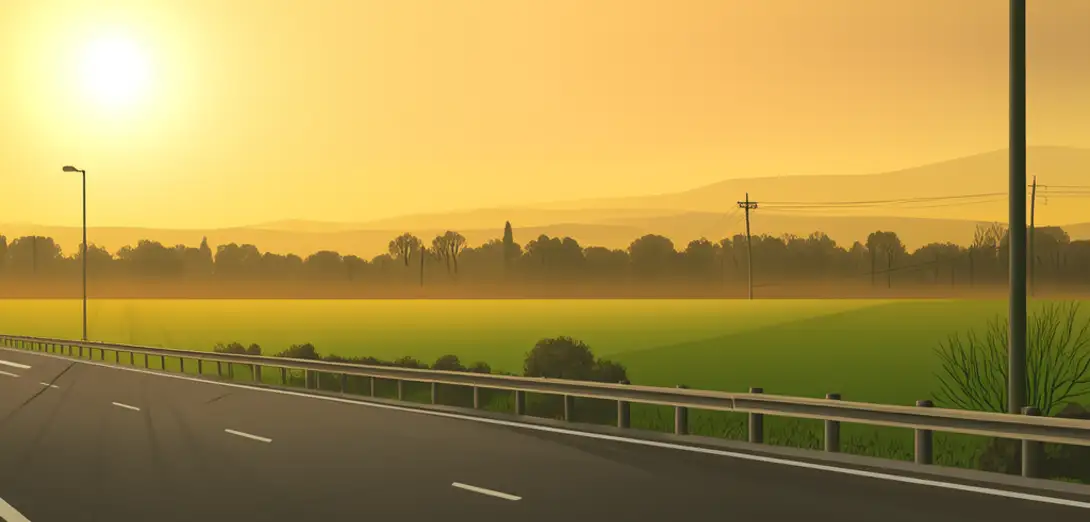
Batch-0022-044: Thermal Inertia Gradients Across Urban-Rural Interfaces
批次0022-044:城乡交界带的热惯性梯度
-
Concrete absorbs heat slowly but releases it gradually, creating thermal lag behind air temperature peaks.混凝土吸热慢但释热缓,导致其温度峰值滞后于气温峰值。
-
Rural forests cool faster at night due to high thermal inertia of moist soil and canopy transpiration.乡村森林夜间降温更快,源于湿润土壤的高热惯性及树冠蒸腾作用。
-
The urban-rural transition zone shows measurable thermal inertia shifts over just 500 meters distance.城乡过渡带仅500米距离内即可测得显著的热惯性变化。
-
Thermal imaging reveals how pavement age and material composition alter surface heat storage capacity.热成像揭示路面老化程度与材料成分如何改变地表蓄热能力。
-
Green roofs reduce building thermal inertia by adding evaporative cooling layers above insulation.绿色屋顶通过在保温层上方增加蒸发冷却层,降低建筑热惯性。
-
Seasonal amplitude differences in land surface temperature reflect underlying substrate density and moisture.地表温度的季节振幅差异反映了下垫面密度与含水量差异。
-
Urban canyons trap longwave radiation, increasing effective thermal mass beyond individual material properties.城市峡谷截留长波辐射,使有效热质量超出单体材料属性之和。
-
Soil sealing in suburbs compresses natural thermal buffering, accelerating diurnal temperature swings.郊区土壤硬化压缩了自然热缓冲能力,加剧昼夜温差波动。
-
Infrared satellite data quantifies inertia gradients to model localized heat island intensification.红外卫星数据量化热惯性梯度,用于模拟局地热岛强化程度。
-
These gradients influence fog formation, pollutant dispersion, and even nocturnal insect migration patterns.这些梯度影响雾的形成、污染物扩散,甚至夜行昆虫的迁徙模式。