正在确认阅读权限…
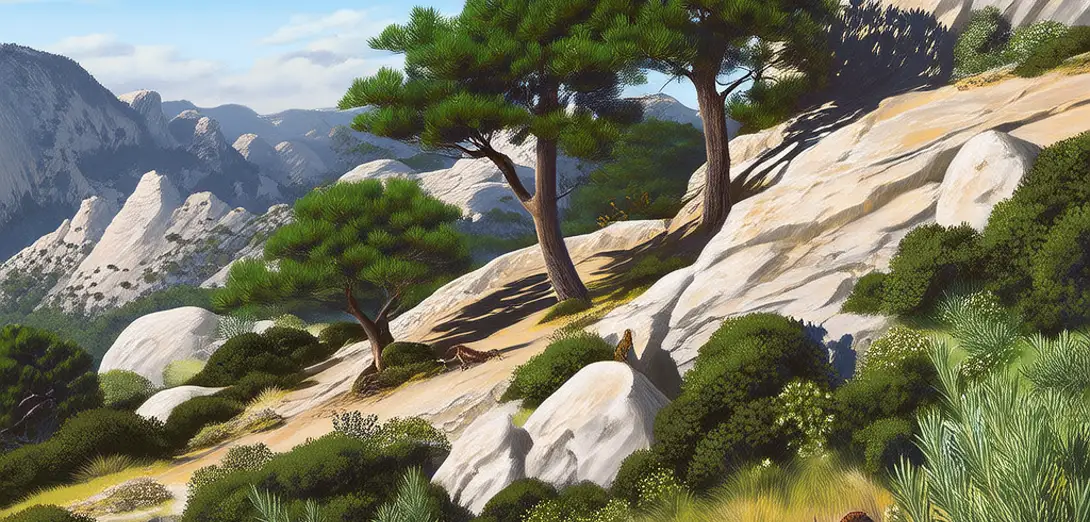
Batch-0022-031: Topographic Shadowing and Microclimatic Refugia in Mediterranean Slopes
地形遮蔽与地中海坡地中的微气候庇护所
-
Steep south-facing slopes in Mediterranean regions absorb intense solar radiation year-round.地中海地区朝南的陡坡全年吸收强烈的太阳辐射。
-
North-facing slopes, by contrast, remain cooler and retain moisture longer after winter rains.相比之下,朝北的山坡更凉爽,冬季降雨后能更长时间保持水分。
-
This topographic shadowing creates narrow microclimatic refugia where relict species survive climate shifts.这种地形遮蔽效应形成了狭窄的微气候避难所,使残遗物种得以在气候变化中存活。
-
Plant communities on shaded slopes often include ancient oaks and ferns absent from adjacent sun-baked terrain.阴坡上的植物群落常包含古老橡树和蕨类,而邻近向阳地带则没有这些物种。
-
Soil moisture gradients across just 200 meters of elevation change support distinct fungal and insect assemblages.仅200米海拔变化形成的土壤湿度梯度,便支撑着截然不同的真菌与昆虫群落。
-
Remote sensing reveals these sheltered zones act as persistent biodiversity anchors during drought years.遥感显示,这些受庇护区域在干旱年份持续发挥生物多样性锚点作用。
-
Their spatial continuity depends on bedrock fracture patterns that guide subsurface water flow.其空间连续性取决于控制地下水流动的基岩裂隙格局。
-
Conservation planning must map such shadowed corridors rather than assume uniform habitat loss.保护规划须绘制此类阴影廊道,而非假定栖息地均匀丧失。
-
Unlike broad biomes, these refugia emerge solely from local relief geometry and aspect.与广域生物群系不同,这些避难所仅源于局部地形起伏与坡向。
-
They demonstrate how small-scale topography buffers regional climate change impacts.它们表明小尺度地形如何缓解区域气候变化的影响。