正在确认阅读权限…
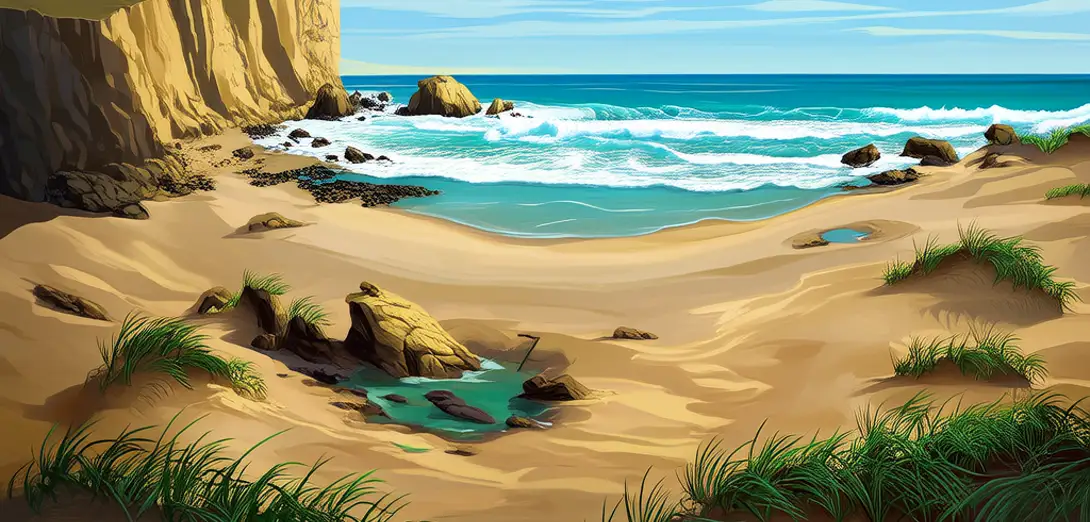
Coastlines Change Constantly: Erosion, Accretion, and Human Response
海岸线持续变化:侵蚀、堆积与人类应对
-
Waves, tides, wind, and currents constantly reshape coastlines—sometimes eroding cliffs, sometimes building beaches.海浪、潮汐、风和洋流持续重塑海岸线——有时侵蚀悬崖,有时堆积海滩。
-
Sea-level rise accelerates erosion, especially where hard seawalls reflect wave energy and starve downdrift beaches.海平面上升加剧侵蚀,尤其在硬质海堤反射波浪能量并导致下游海滩缺乏泥沙补给的地区。
-
The Netherlands protects 60% of its land below sea level using dikes, pumps, and dynamic sand nourishment projects.荷兰通过堤坝、水泵和动态沙滩补沙工程,保护其60%低于海平面的土地。
-
Louisiana loses a football field of wetland every 100 minutes due to levee systems that cut off sediment replenishment.路易斯安那州因防洪堤系统切断泥沙补给,每100分钟就丧失一个足球场大小的湿地。
-
Mangrove forests along tropical coasts absorb storm energy, trap sediment, and nurture juvenile fish populations.热带沿海的红树林能吸收风暴能量、滞留泥沙,并为幼鱼提供栖息地。
-
Managed retreat—moving buildings inland—is becoming a realistic option for communities facing chronic flooding.有计划的退缩——将建筑向内陆迁移——正成为面临长期洪涝社区的现实选择。
-
Satellite radar measurements track millimeter-scale coastline shifts, helping planners prioritize protection efforts.卫星雷达测量可追踪毫米级的海岸线变化,助力规划者优先部署防护措施。
-
Tourist resorts often import sand to widen beaches, but these ‘nourishments’ rarely last more than a few seasons.旅游度假村常进口沙子拓宽海滩,但这类‘补沙’通常维持不了几个季节。
-
Natural solutions like dune restoration and oyster reef construction offer cheaper, longer-lasting coastal defense.恢复沙丘、建造牡蛎礁等自然方案,成本更低、防护效果更持久。
-
Adapting to moving shorelines means accepting change—not resisting it—and designing flexible, reversible infrastructure.适应不断移动的海岸线,意味着接受变化而非抗拒,并设计灵活、可逆的基础设施。